The material infrastructure of a fashion city is usually invisible to outsiders. Seoul is unusual: its sourcing districts are physically accessible, geographically concentrated, and — if you understand what each district does — directly informative about how Korean fashion design works at a production level.
Three districts cover most of the relevant territory: Dongdaemun for volume and variety, Sinseol-dong for specialist accessories materials, and Seongsu-dong for leather and the newer generation of boutique material suppliers. They are not interchangeable. Each reflects a different segment of the production ecosystem, and understanding the distinction makes a visit to any of them considerably more useful than arriving without that context.
| District | Primary Specialisation | Scale | Best For | Access Note |
|---|---|---|---|---|
| Dongdaemun (동대문) | Full-range fabric: base textiles, linings, trims, notions | Largest — hundreds of vendors | Volume sourcing, variety, same-day availability | Morning visits (before 11am) best for vendor access |
| Sinseol-dong (신설동) | Accessories construction: canvas, hardware, webbing, cordage | Medium — specialist vendors | Bag, belt, footwear component sourcing | Allow time for secondary market areas |
| Seongsu-dong (성수동) | Leather (Italian, Spanish, Korean) + boutique material suppliers | Smaller, higher unit value | Quality leather, curated materials, design research | Expanding — new boutique suppliers entering regularly |
Dongdaemun: Scale as the Point
Where the more interesting sourcing is: Not in the main commercial building but in the smaller alleyways and older market sections adjacent to it, where specialist vendors have operated for decades. These suppliers often hold end-of-roll stock from mills, discontinued colourways, or materials with specific technical properties that don’t fit the mainstream assortment. Finding them requires time and return visits rather than a single systematic tour. This is also where you are most likely to encounter traditional Korean materials — hanji-based textiles, jjok-dyed cloth, or coated natural fibres — when they appear in the market at all. (On hanji as a design material →)
Practical approach: Arrive before 11am. Have physical fabric samples or precise technical specifications (gsm, weave structure, fibre content) — describing what you want in general terms is less effective. Cash for smaller purchases and quantity negotiation; bank transfer for larger established vendor relationships. The first visit should be an orientation, not a buying trip.

Sinseol-dong: Accessories Materials and the Specialist Case
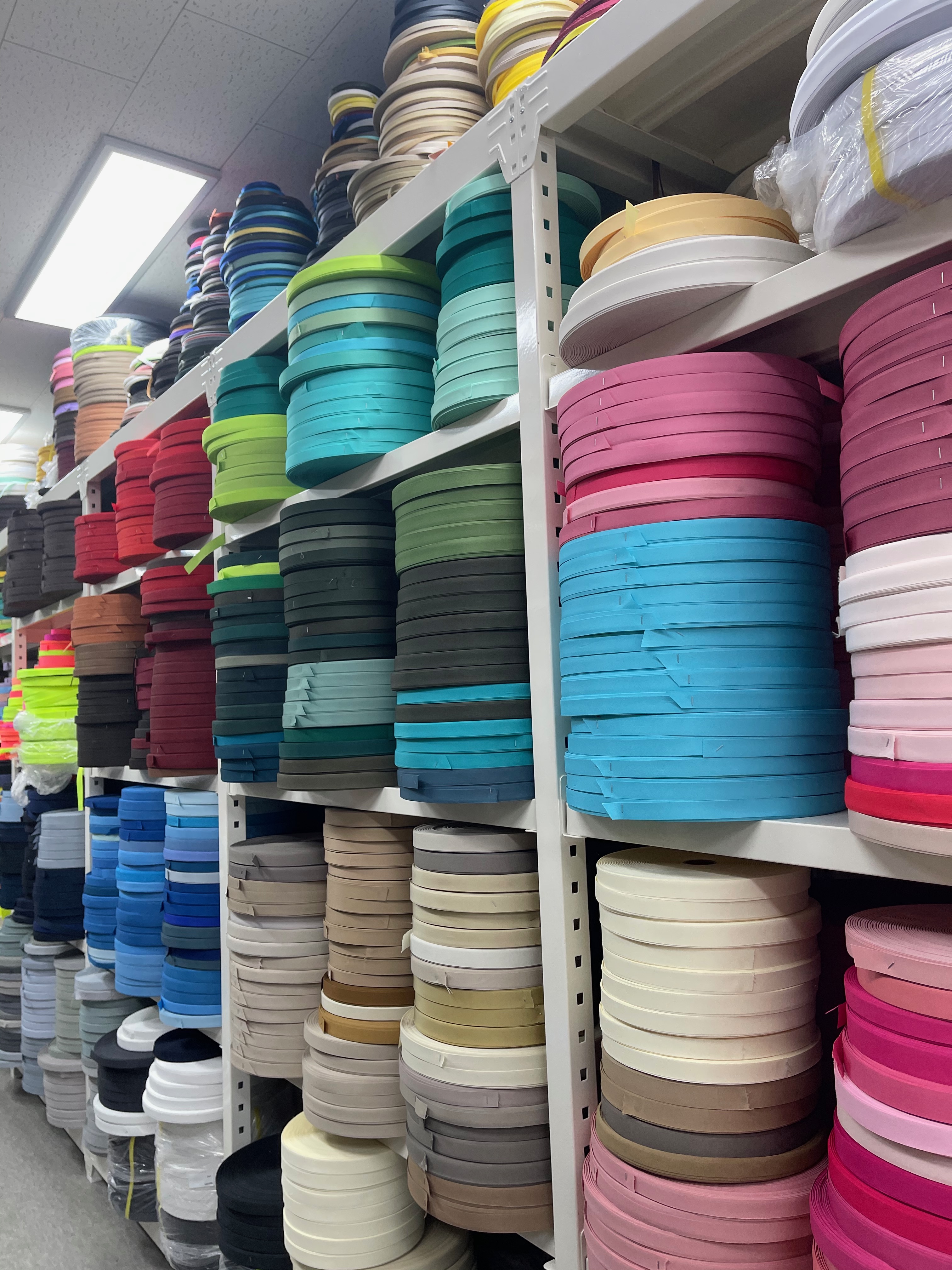
Market character: An older traditional market — compressed space, vendors with long-established relationships to specific niches, less visual organisation than the purpose-built Dongdaemun buildings. The most useful suppliers are not always immediately visible from the main walkways. Spending time in the secondary areas of the market, including the sections extending behind the primary vendor rows, surfaces suppliers that aren’t accessible on a fast visit.
Adjacent research resource: Dongmyo (동묘) market, a short walk away, is Seoul’s primary vintage market — secondhand clothing, accessories, and household goods reflecting what has been in circulation in Korean material culture across decades. For material researchers rather than production sourcing: the hardware styles, textile constructions, and colour approaches from different periods in Dongmyo function as a material history of Korean design in object form. Indigo-dyed pieces from different eras are a particularly reliable indicator of how jjok dyeing practice shifted across production periods. (On jjok dyeing and colour variation →)

Seongsu-dong: Leather, Quality, and the Boutique Model
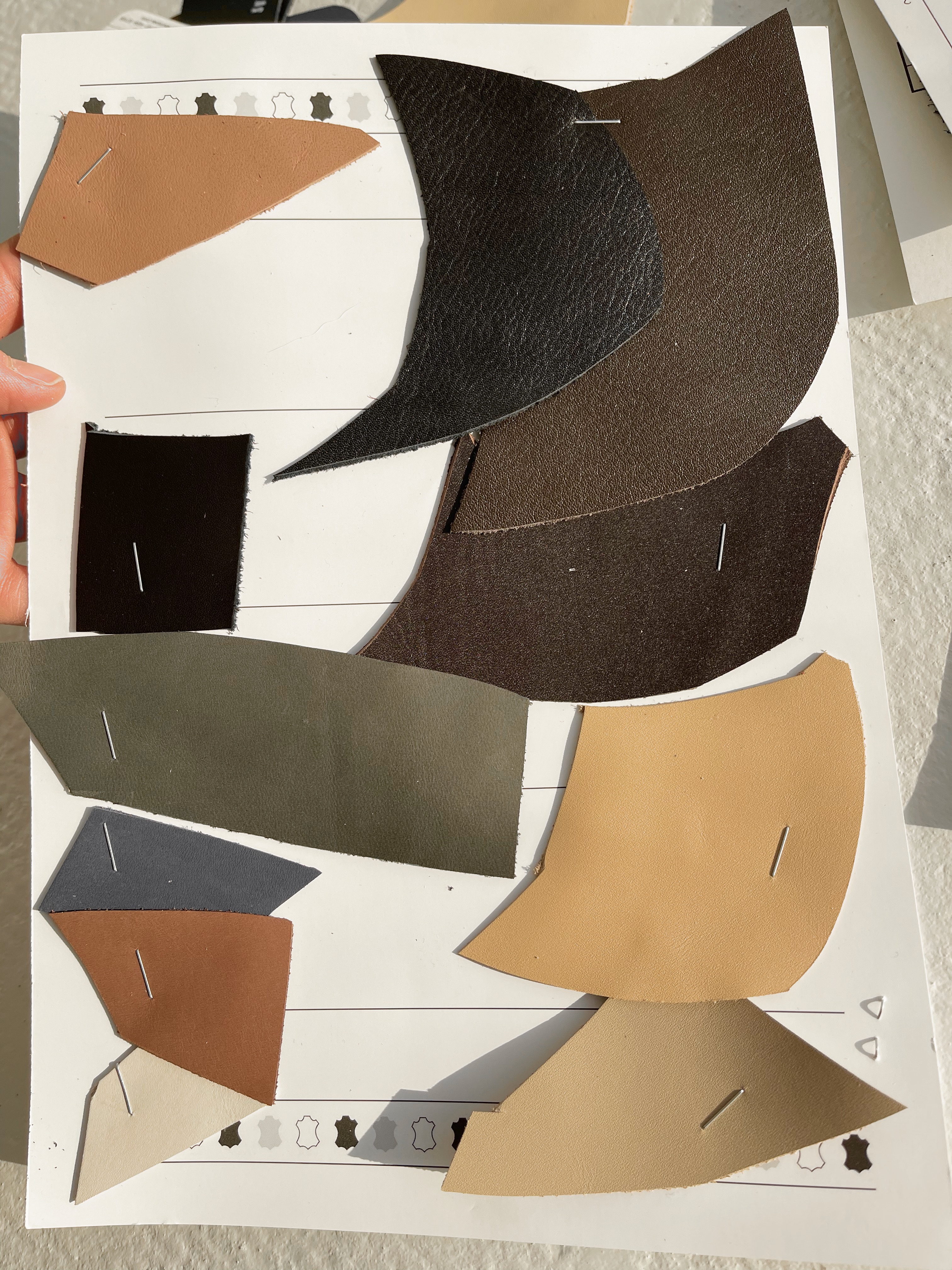
Leather range: Suppliers now stock material from Italian tanneries (primarily Tuscan region), Spanish producers, and Korean manufacturers alongside each other. Price and quality variation requires knowledge to navigate. Surface finishes, temper, and thickness available reflect both the global leather trade’s vocabulary and the specific Korean market’s preferences — which differ from European standards in some respects, particularly in finish and colour saturation.
What distinguishes Seongsu from Dongdaemun: The interaction model is different. Dongdaemun is transactional — you find what you need in the existing inventory. Seongsu-dong’s newer boutique suppliers are more likely to discuss material specifications, show samples from multiple tanneries, and work through requirements with a designer. The lead times are different: these are not same-day suppliers. The unit values are higher. The sourcing relationship is more similar to working with a European material agent than to market purchasing.

Using the Districts Together
The three districts function most effectively as a system rather than as separate destinations. A production sourcing visit might begin at Dongdaemun for fabric and basic construction materials, continue to Sinseol-dong for accessories components, and finish at Seongsu-dong for leather — covering most of what a collection requires from a materials standpoint in a concentrated geographical area.
A research visit operates differently. The most useful approach is to spend extended time in each district observing what is available rather than sourcing against a specific list. What the inventory in each market contains at any given time is a reasonably accurate reflection of what Korean production has been specifying — the volume and variety of what vendors carry tracks the current market’s requirements. Reading the inventory is reading the production culture. The same logic applies when researching specific craft traditions: understanding what the market currently offers in horsehair, bamboo, and lacquer-adjacent materials is a more direct indicator of the craft’s production health than any official documentation. (On the gat’s division-of-labour production model →)
The first visit should be an orientation, not a buying trip. The organisation of each market — which buildings, which sections, which vendor types — is the knowledge that makes subsequent visits useful.
I have worked across all three districts over multiple visits during Korean production periods. The most practically important thing I learned across those visits is that the markets are not optimised for the first-time visitor — they are optimised for the regular buyer who has an established vendor network. The vendors in the secondary alleys of Dongdaemun that hold the most interesting end-of-roll stock are not going to find you; you have to find them, on a second or third visit, once you understand the market’s spatial logic well enough to cover it systematically.
Seongsu-dong’s development over the past five years has been the most significant change in Seoul’s material sourcing landscape from a design research perspective. The concentration of younger designers and boutique suppliers who have moved into the neighbourhood has created a different kind of material conversation than is possible in the volume markets. Some of the most interesting material sourcing I have done in Seoul recently has been in Seongsu-dong — talking through a problem with a supplier who knows their inventory well and can suggest alternatives, rather than navigating a market where the vendor’s goal is volume throughput.
For a European designer visiting Seoul specifically for material research, the DDP (동대문디자인플라자) is the useful starting context — it gives you an understanding of the Korean design output that the material markets are serving, before you go into the markets themselves. Understanding what is being made makes what is being sold considerably more legible.
References
- Seoul Design Foundation (서울디자인재단) — Seoul design industry documentation, district development reports.
- DDP 동대문디자인플라자 — Exhibition and programme documentation; context for the design output that Dongdaemun’s material market serves.
- 한국패션산업협회 (Korea Fashion Industry Association) — Industry data on Korean garment production infrastructure and supply chain geography.
- Fieldwork documentation, JJJOZ — Seoul material district visits 2019–2024. Vendor and supplier observations are based on direct practice, not secondary sources.



Leave a Reply