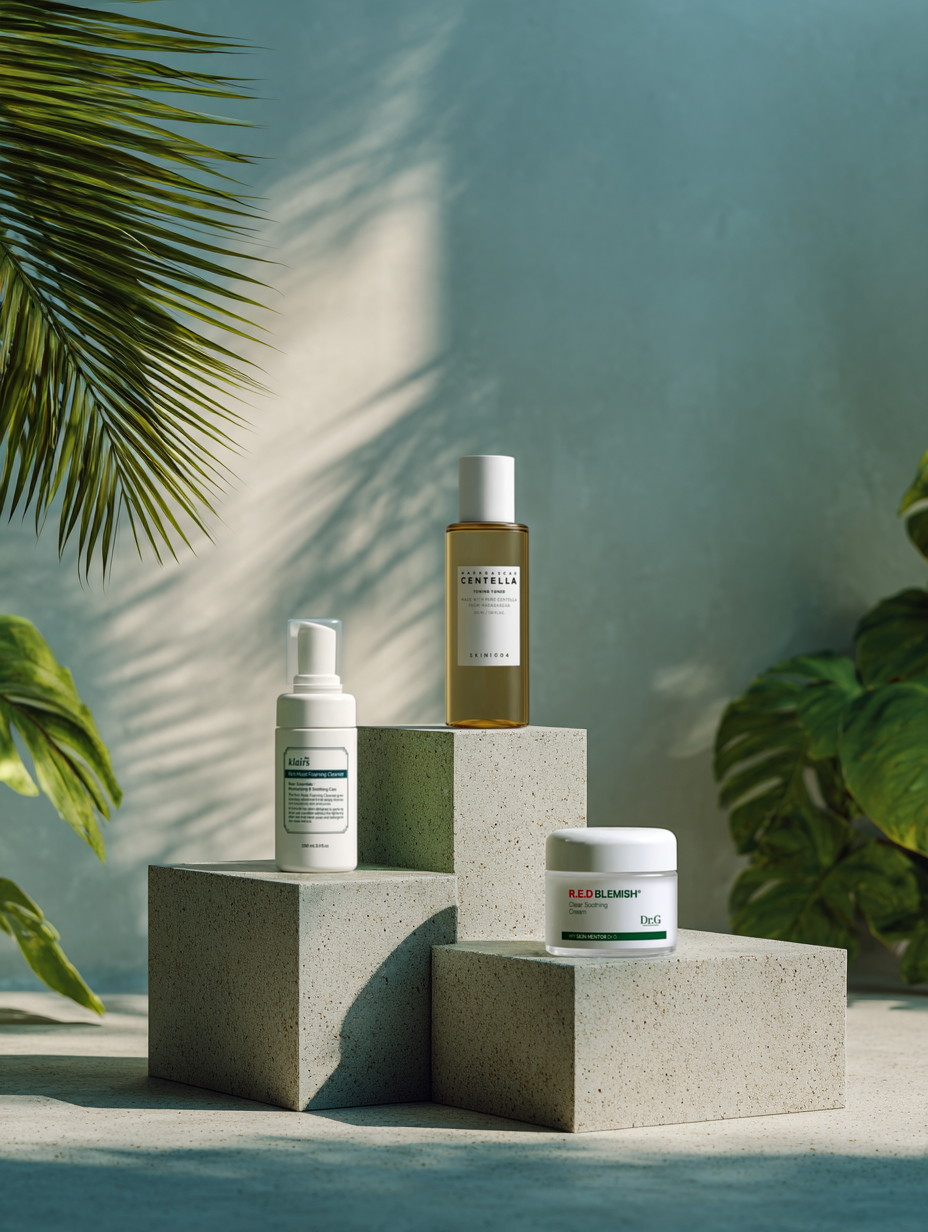

Korean skincare was developed for a specific climate context. Before selecting products, two questions determine whether any Korean Skincare routines will function as intended in a European context: what is in your tap water, and how aggressively is your home heated.
| Variable | Korean Reference Condition | Northern EU Condition | Practical Consequence |
|---|---|---|---|
| Winter indoor RH | ~45–55% | 20–35% (centrally heated) | HA serums require sealing; occlusives non-optional |
| Water hardness | Soft (Seoul ~50 mg/L TDS) | Hard (Berlin 300–400 mg/L TDS) | Mineral film on skin post-cleanse; low-pH toner step important |
| Winter UV index | UV 2–3 (Dec–Feb Seoul) | UV 1–2 (Dec–Feb N. Europe) | SPF still required year-round — UVA penetrates cloud cover |
| Summer UV index | UV 8–9 (Jul Seoul) | UV 7–8 (Jul Berlin/Amsterdam) | Roughly equivalent — SPF as critical in EU summer as Korean summer |
In hard water areas, rinsing with tap water leaves a thin mineral film on skin that increases irritation potential and reduces the effectiveness of subsequent skincare application. This is not resolved by more thorough cleansing — it is addressed by applying a low-pH toner after cleansing (which partly breaks down the mineral residue) or filtering shower water. Many Korean skincare users in Germany specifically cite water quality as the variable that made the most difference to their routine once they addressed it.
Routine A: Dry Skin in a Cold, Low-Humidity Environment
This routine addresses the most common complaint from Europeans who have tried Korean skincare: everything works until winter, and then the skin feels tight and dull regardless of how many products are applied. The problem is almost always insufficient occlusivity — the routine is hydrating but not sealing.
Morning routine — dry skin
Low-foam or rinse only
Applied to damp skin
Seal within 60 sec
Sealing step
Year-round
Morning Routine — Sensitive/Reactive Skin
Fragrance-free, amino acid base
Centella or Astragalus base · Fragrance-free
Panthenol or Centella concentrate · No actives
Ceramide + anti-inflammatory · Fragrance-free
Mineral or hybrid filter · Fragrance-free
Evening Routine — Sensitive/Reactive Skin
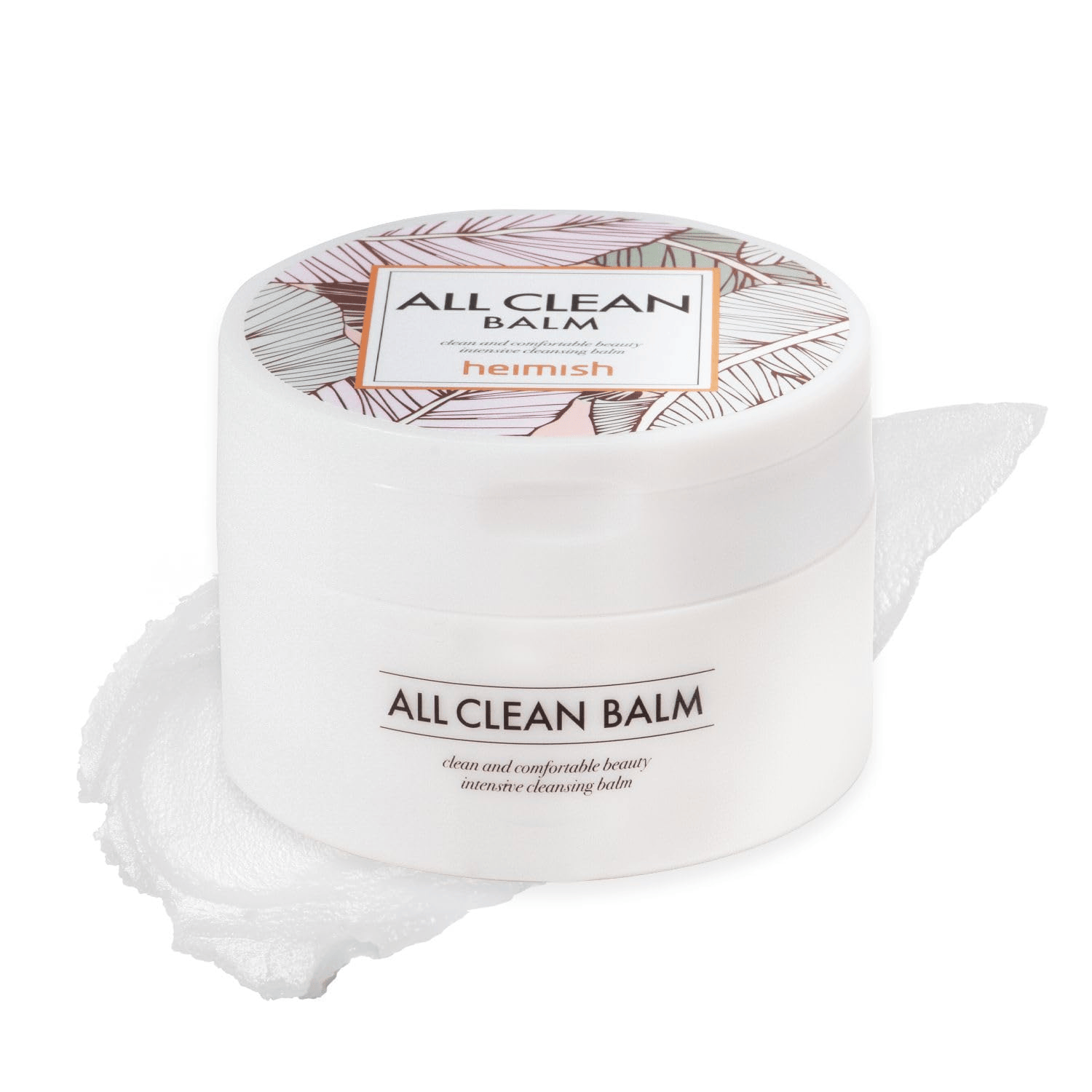
If SPF/makeup worn · Gentle balm format
Same gentle cleanser as morning
Repeat morning step 2
Panthenol or overnight repair formula
Same as morning · Slightly heavier application


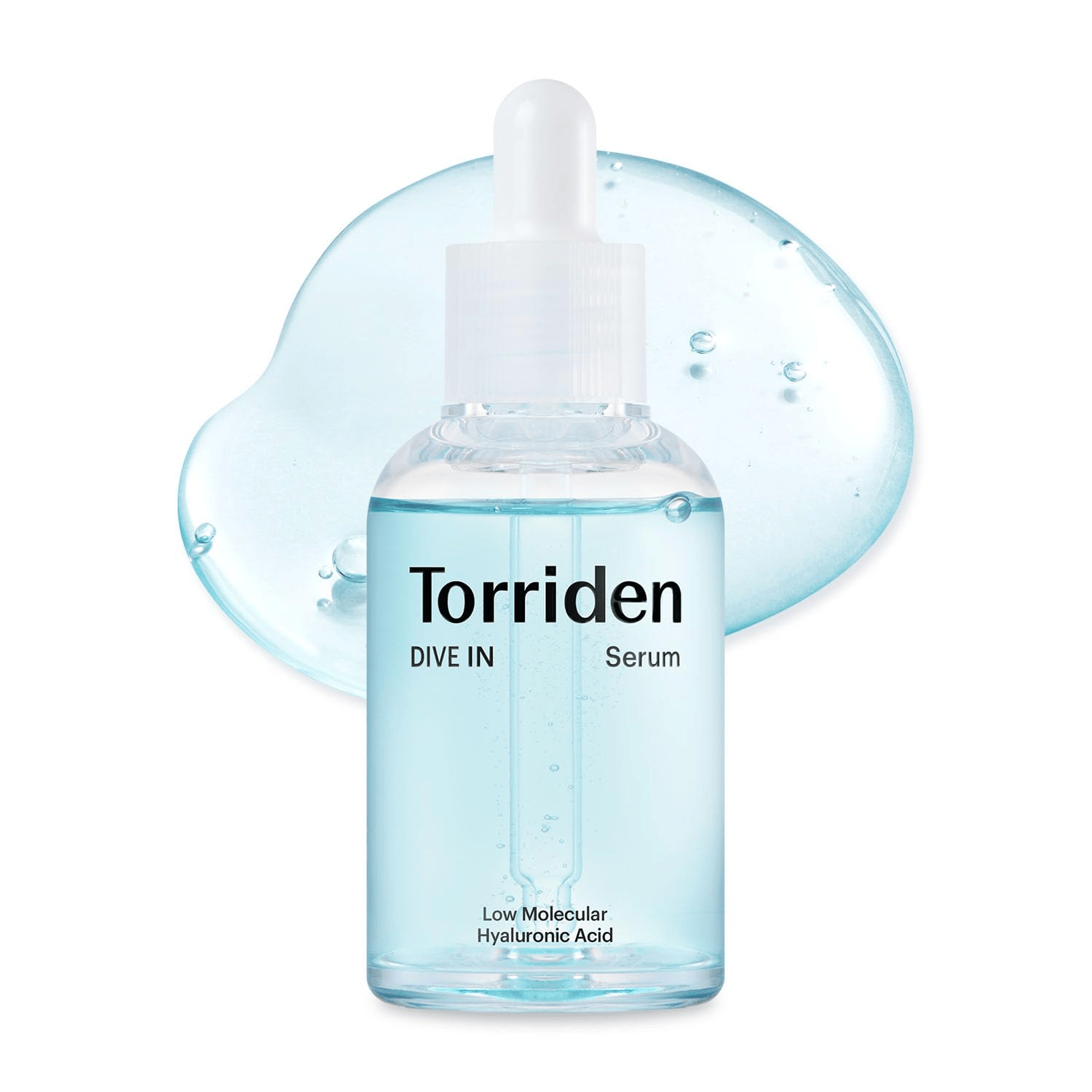

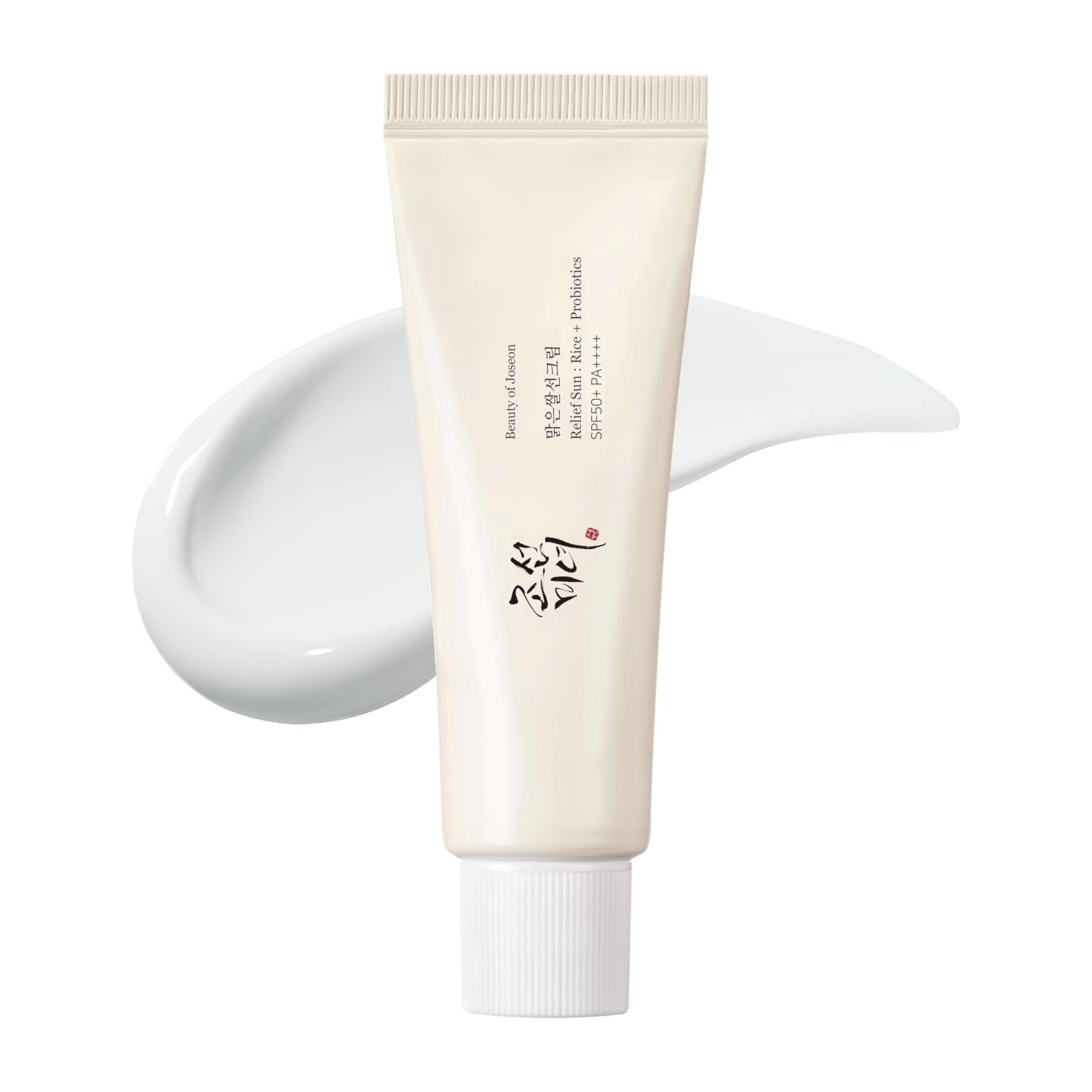
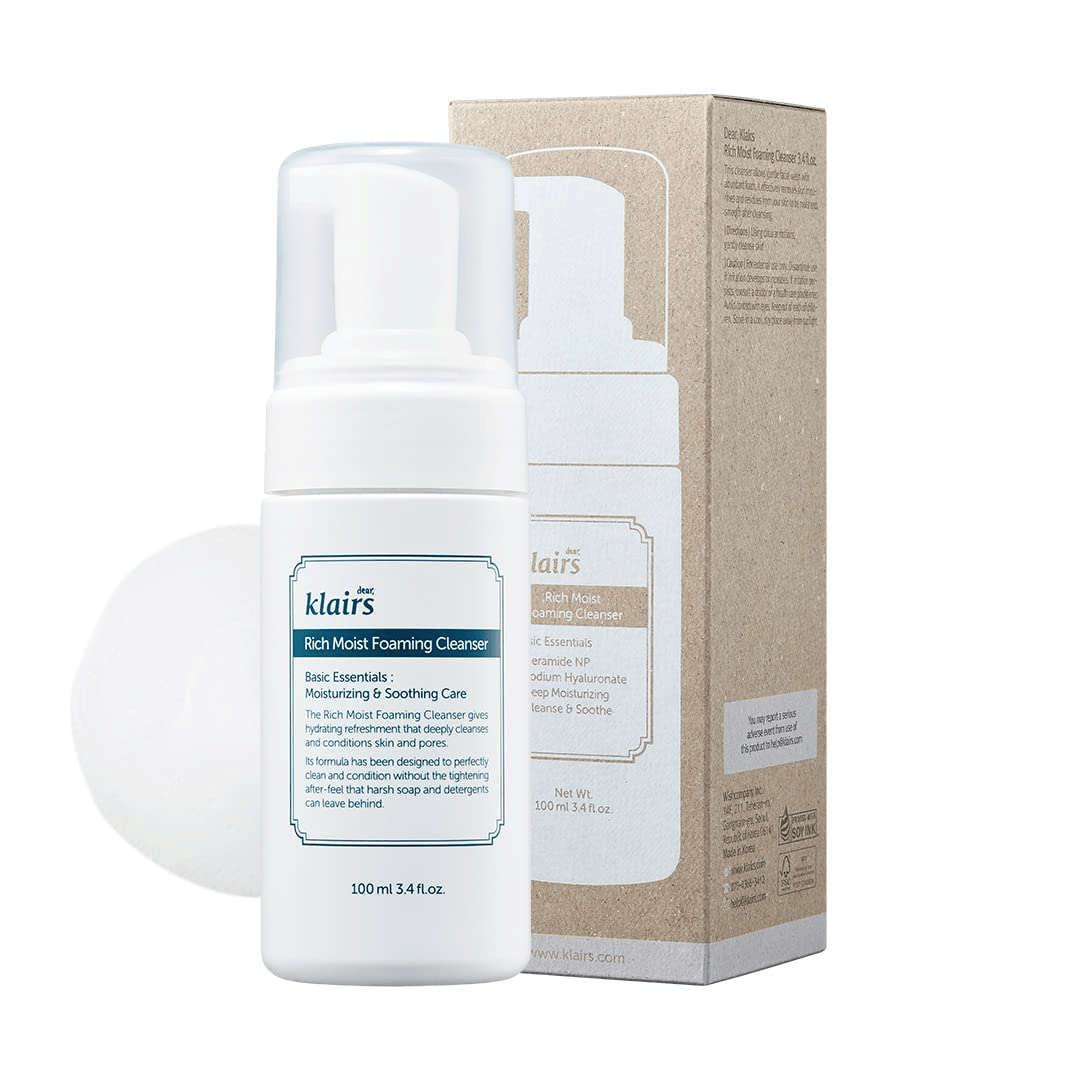


Frequently Asked Questions
Do I need to use tap water to cleanse, or can I use micellar water only?
In hard water cities (Berlin, Amsterdam, London), micellar water as a second rinse after tap water cleansing reduces mineral film build-up on the skin. An alternative is finishing the cleansing step with a low-pH toner, which partly dissolves the calcium/magnesium residue. Using bottled or filtered water to rinse is the most direct solution but impractical as a daily routine for most people.
Why does my Korean skincare routine stop working when the heating goes on in autumn?
The products have not changed — the environmental conditions have. Indoor heating drops relative humidity to 20–35%, below the range in which most Korean products were tested for performance. The routine needs a climate adjustment: add a dedicated occlusive step (or increase the ceramide moisturiser quantity) and seal HA products more quickly. The failure mode is almost always insufficient occlusivity, not the wrong products.
Is the double cleanse necessary in a European context?
For skin that has worn SPF or makeup during the day, yes — water-based cleansers do not reliably remove oil-based SPF actives, and residual SPF film affects the absorption of subsequent skincare. For skin that has worn no SPF or makeup (morning cleanse in dry skin routine), a single gentle cleanse or water rinse is sufficient and preserves the barrier better.
How do I know if my routine is “enough” for German winter conditions?
A well-adapted routine for a low-humidity heated interior should leave skin feeling comfortable — not tight, not greasy — for at least 4–5 hours after application without reapplication. If tightness returns within 2 hours, the occlusive sealing step is insufficient for your indoor humidity level. If the skin feels persistently greasy or congested, the occlusive step may be too heavy for your sebum production level.
Is it safe to use Korean SPF in the EU without checking for ingredient compliance?
Korean sunscreens sold on platforms that ship EU-spec versions (Amazon DE, YesStyle EU) are typically formulated for EU compliance. The main variable is UV filter selection — some Korean UV filters (Tinosorb S, Tinosorb M) are already EU-approved; others (octinoxate at certain concentrations, certain benzophenone derivatives) require checking against CosIng. Major Korean SPF brands sold in EU retail channels routinely maintain EU compliance, but checking CosIng for specific UV filters takes under five minutes and is worth doing for products purchased directly from Korean retailers.
Why does Routine B use Centella toner instead of a standard HA toner?
In a northern European environment at 20–35% indoor RH, an HA-first toner without an immediate sealing step draws moisture from the dermis rather than the air — which adds to the dehydration load that reactive skin is already managing. Centella toner delivers anti-inflammatory support without the hygroscopic risk. For very dry-and-sensitive skin, a low MW HA serum can be inserted between the Centella toner and the Panthenol serum, but it must be sealed within 60 seconds.
How is the Routine B evening routine different from the morning, and why?
The evening routine adds an oil cleanse step (for SPF removal), applies a slightly heavier Panthenol serum, and uses a more generous quantity of the ceramide moisturiser. These adjustments work because the evening routine has no SPF following it — texture weight is less constrained — and overnight is the main barrier repair window. The anti-inflammatory Centella step is repeated at the same concentration because evening is when the skin has accumulated the most daily environmental exposure to manage.
Can I use fragrance-containing products in Routine B if I have not had a previous fragrance reaction?
Previous tolerance does not guarantee continued tolerance for skin that is currently in a sensitised state. Repeated fragrance exposure on a more permeable barrier increases sensitisation probability over time — a reaction that doesn’t appear initially can develop after months of use. For a routine specifically designed for reactive skin, fragrance-free removes the variable entirely. This is a risk management decision, not a clinical requirement, but the logic for Routine B is to eliminate sources of inflammatory load rather than accept them.
** Affiliate disclosure: Links above are affiliate links. JJJOZ earns a small commission on qualifying purchases at no cost to you. Product selection is based on formulation criteria only — not commercial relationships with brands.
Related posts




Leave a Reply