

All Posts
-
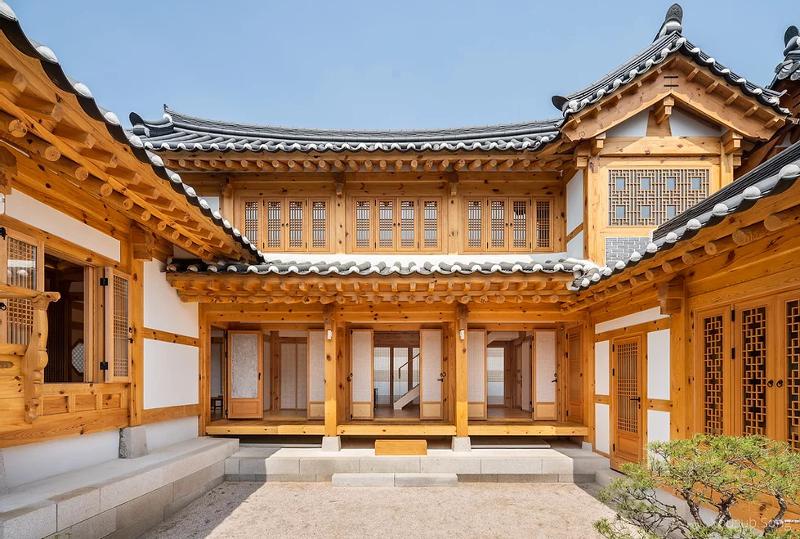
The first thing most people notice about a hanok is the roof. But the roof is the least interesting part of the building’s logic. What makes hanok worth understanding as a design system is what happens underneath it — two floor types engineered for opposite seasons, and a floor plan that records the social structure…
-

Korean skincare routines adapted for European skin conditions — low humidity, central heating, hard water — with specific guidance for dry and sensitive types
-
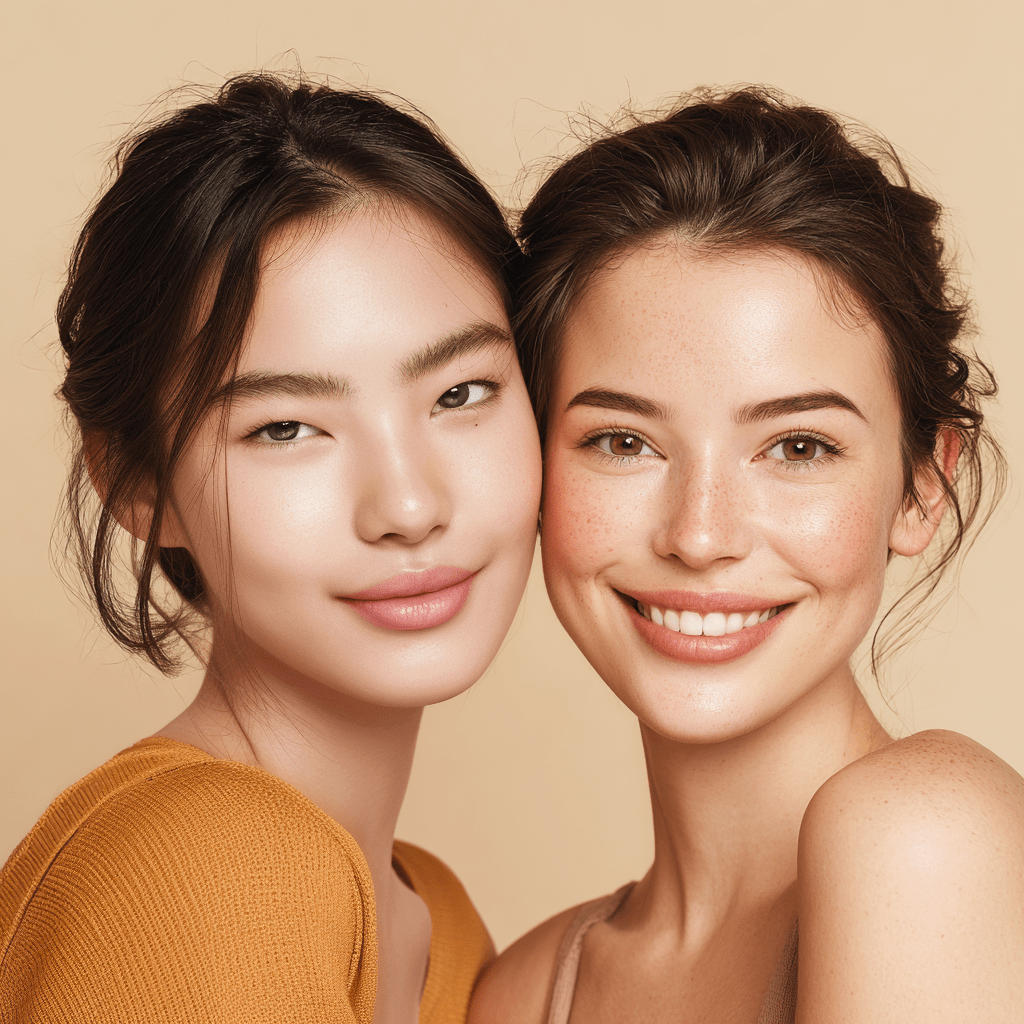
Korean and European skincare share many ingredients but start from different assumptions. Understanding that gap makes product choices significantly clearer.
-

Hyaluronic acid behaves differently below 40% humidity — the exact condition in most European homes in winter. Here’s what the science says and what to do.
-

Korean ceramide moisturisers explained by ingredient type — NP, AP, and EOP — with EU climate context and product recommendations for dry, sensitive skin.
-

Europe’s cold, dry air does something specific to your skin barrier — and not all Korean moisturizers are formulated with that in mind. This guide breaks down the key ingredients in five research-backed K-beauty products and explains exactly why they work in low-humidity European climates. No trends, no hype — just ingredient science and practical…
-
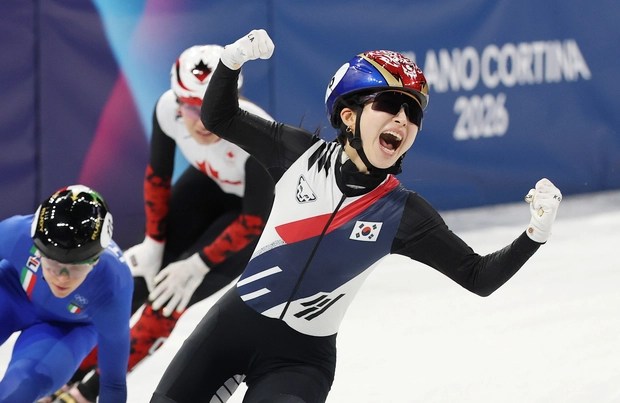
South Korea claimed gold in the women’s 3000m relay at the 2026 Milano-Cortina Winter Olympics — their 7th all-time relay gold. But how did a country with no short track tradition become the sport’s undisputed superpower? We trace 40 years of dominance, from a failed 1983 debut to a dynasty that refuses to die.
-
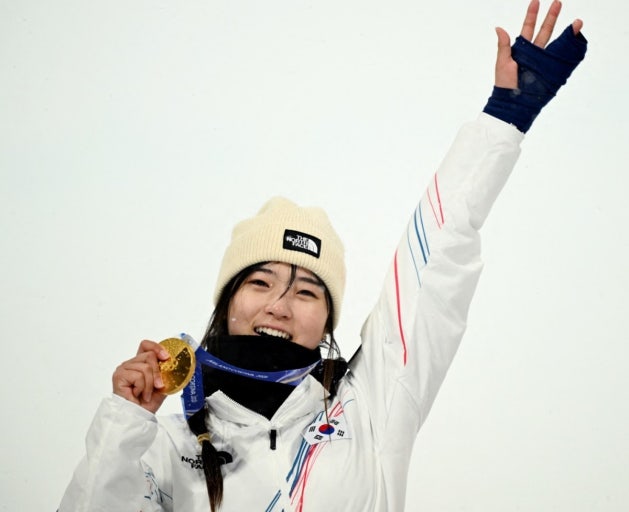
She crashed. She nearly quit. Then she flew. On February 12, 2026, in the snow-swept halfpipe of Livigno, Italy, 17-year-old Choi Gaon stunned the world by dethroning her idol Chloe Kim to win South Korea’s first-ever Olympic gold medal in snow sports — and earned a spot in NBC’s Top 10 Olympic moments of the…
-
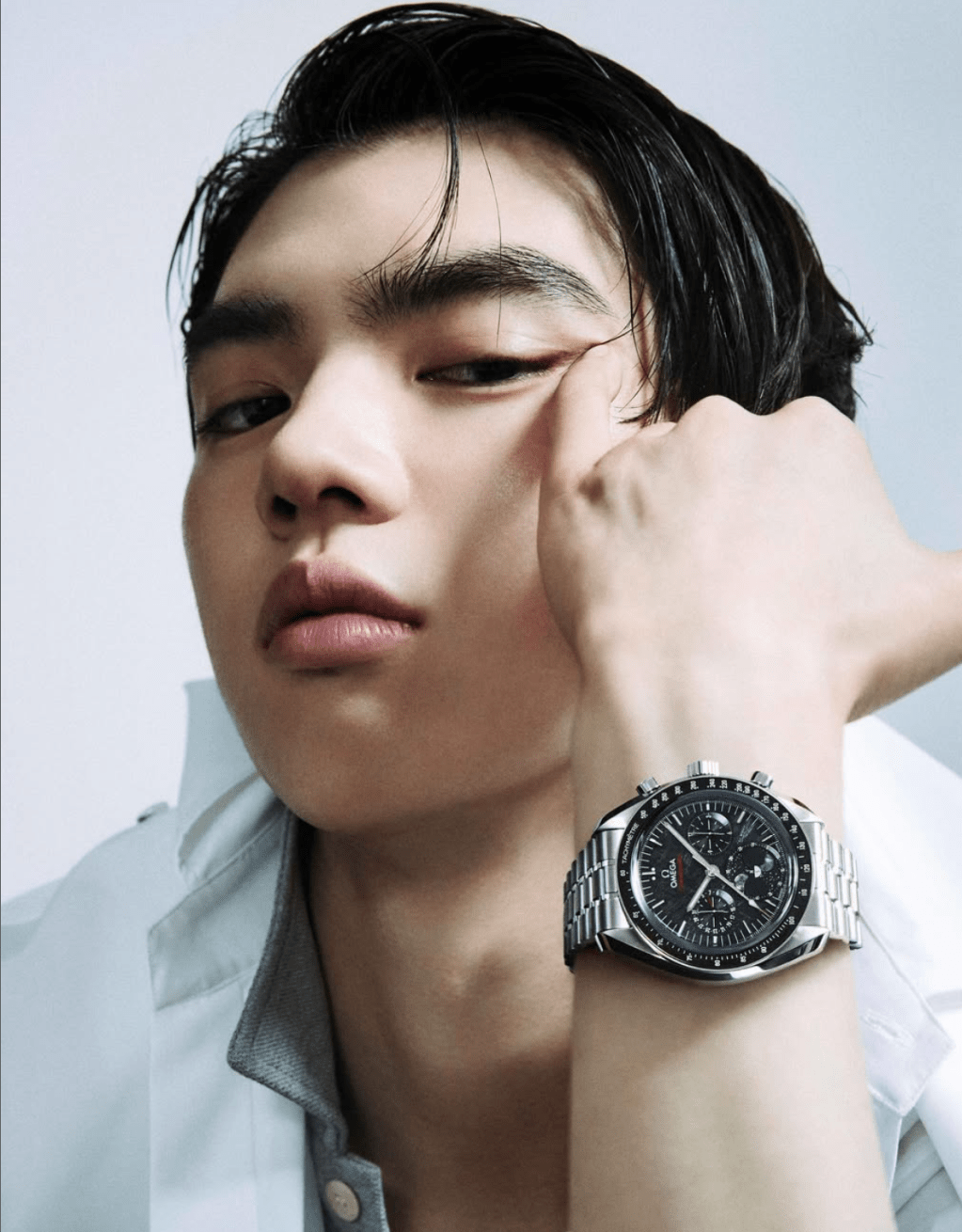
Korean figure skater Cha Jun-hwan is making waves at the 2026 Winter Olympics. Named the most handsome male athlete by Vogue Hong Kong, this three-time Olympian combines technical brilliance with artistic mastery. Discover the journey of Korea’s Ice Prince from child actor to Olympic medal contender.
-
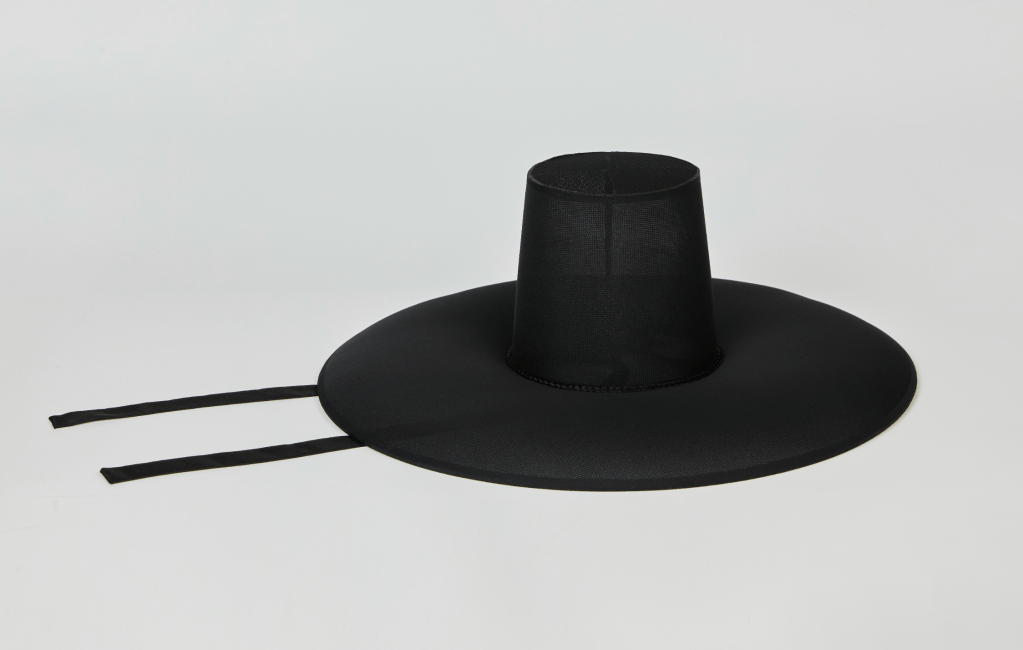
Pick up a traditional Korean gat and the first thing you notice is the weight — or rather the absence of it. An object that reads visually as substantial, formal, and complex is almost nothing in the hand. That combination — visible rigidity achieved through minimal material — is the central design problem the gat…
-
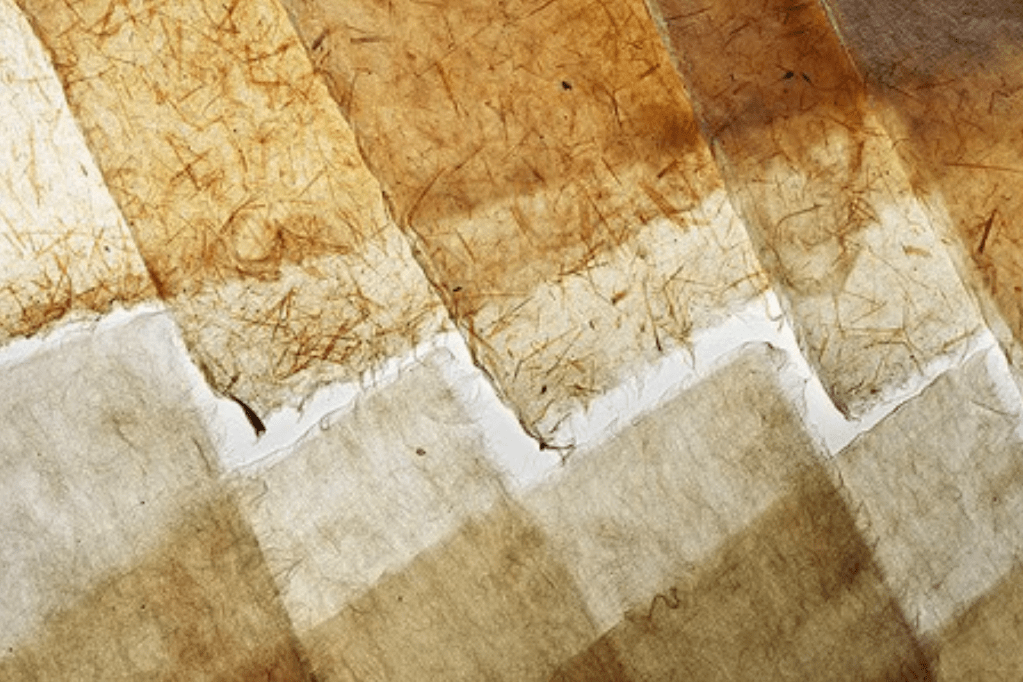
Paper tears, absorbs moisture, and loses integrity under stress. Hanji — traditional Korean paper made from mulberry bark — behaves differently enough from this baseline that comparing it to ordinary paper is more misleading than useful. The more accurate comparison is to linen or ramie: a bast fibre material with its own tensile logic, its…
-
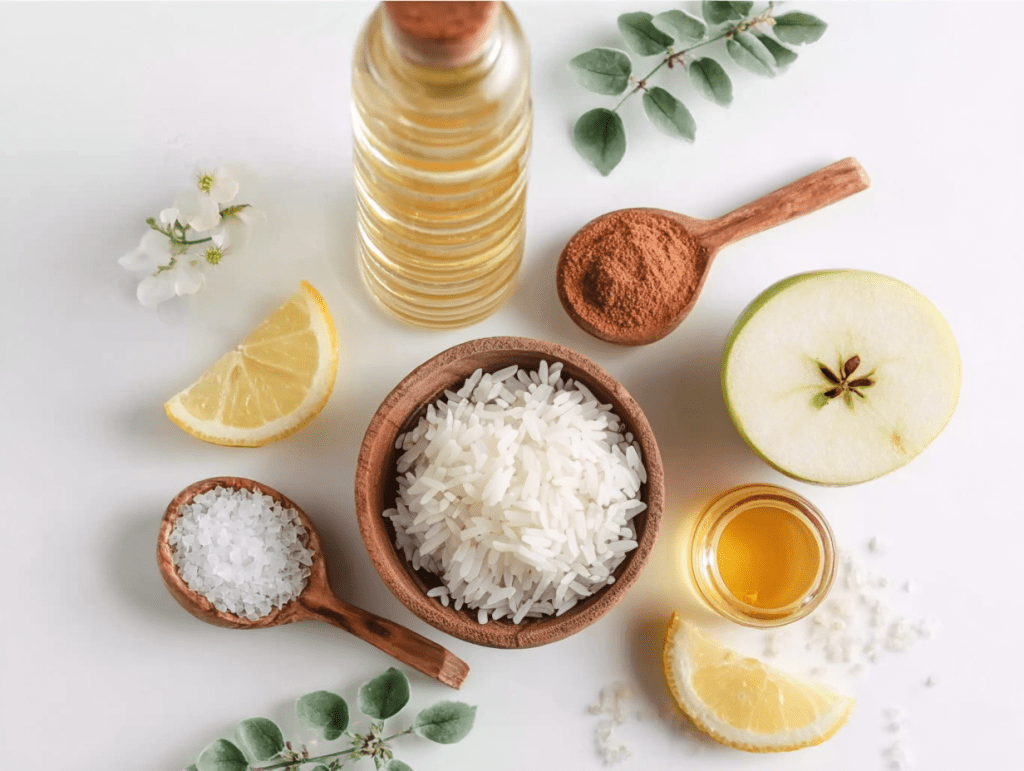
Fermented skincare is one of the categories most vulnerable to imprecise language. The marketing vocabulary — “probiotic,” “ancient wisdom,” “microbiome-supporting” — often obscures more than it explains. This post works through the three most clinically documented fermented ingredients in Korean skincare, examines what fermentation is specifically doing in each case, and addresses why “probiotic” on…
-

Pick up a piece of najeon chilgi and the surface appears to have depth — not the depth of relief or texture, but genuine optical depth, as if the light is returning from inside the object rather than off it. That quality is structural, not incidental. Here’s what the wood, lacquer, and shell are each…
-
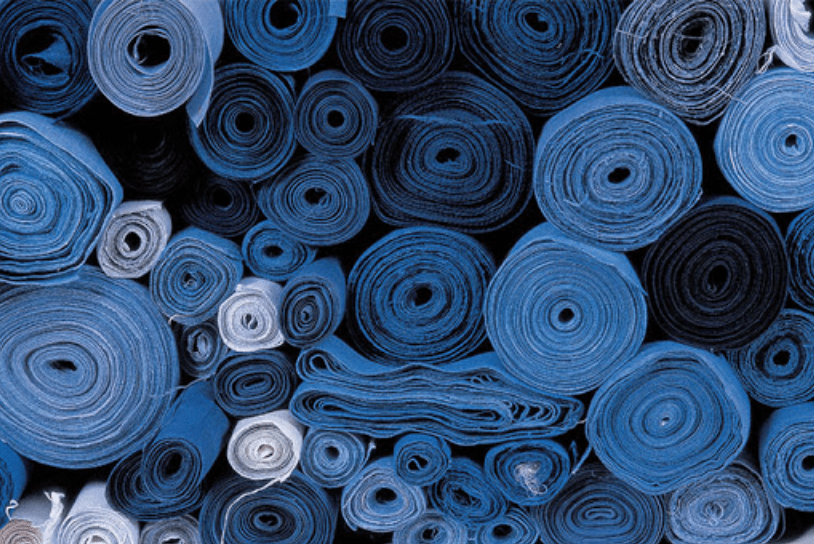
When you pull indigo-dyed cloth from the vat, it looks wrong. The fabric comes out green. Then oxygen acts on it, and within seconds the cloth shifts — green to teal, teal to blue, blue deepening as you watch. The colour is not in the vat. It is produced by the cloth meeting air. That…
-
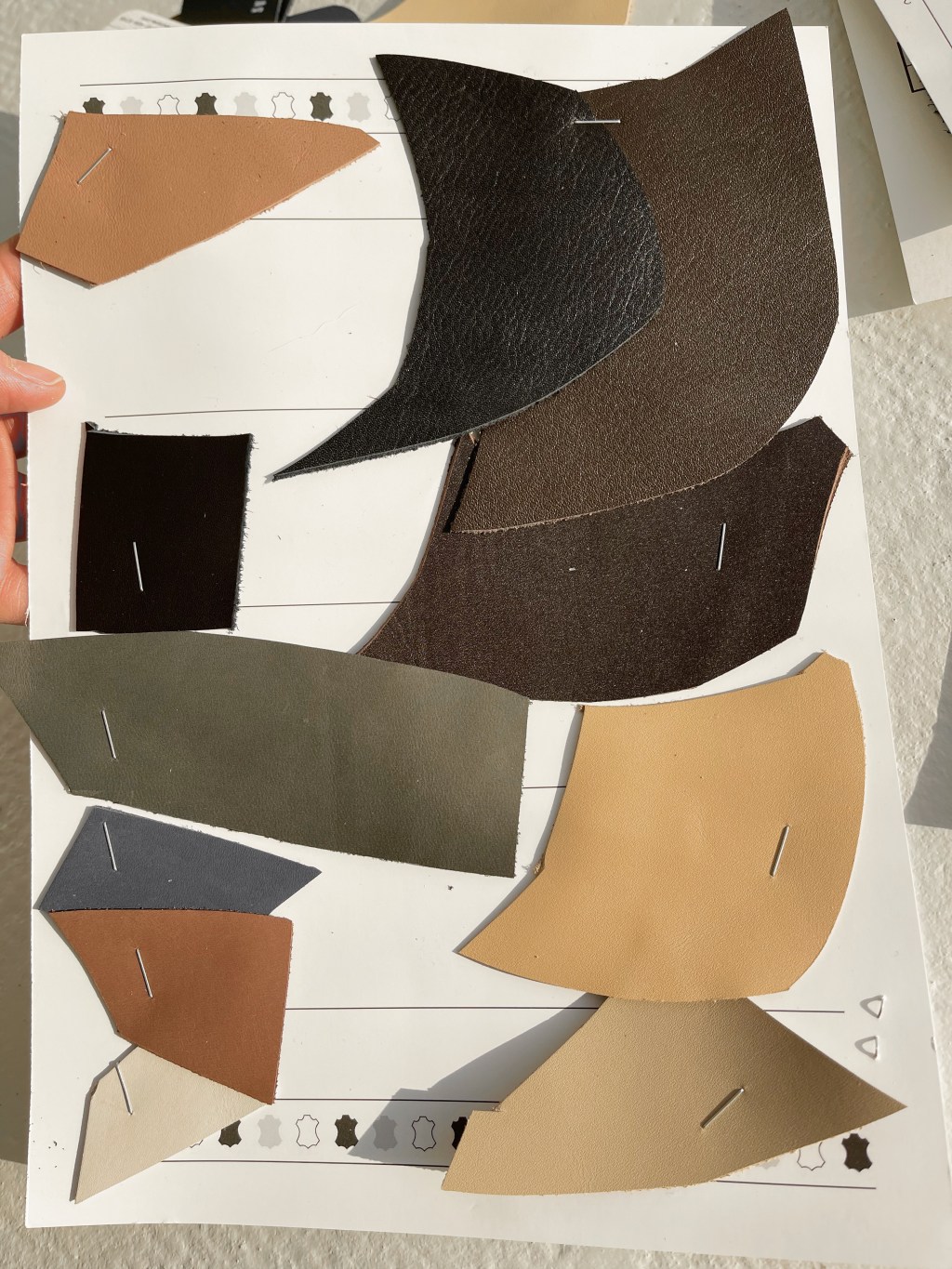
Seoul’s vibrant material markets are essential for K-fashion enthusiasts, offering unique fabrics and design inspiration. Dongdaemun is famed for its vast selection, while Sinseol-dong provides vintage materials. Seongsu-dong, known as “Seoul’s Brooklyn,” showcases emerging trends and crafts. Explore these neighborhoods for a true fashion adventure!
 JJJOZ BLOG