
The Environmental Conditions This Guide Is Written For
Korean skincare was developed in a specific climate context. Seoul winters are cold and dry — January outdoor relative humidity averages around 55–65%, but the air feels significantly drier than that figure suggests due to low absolute moisture content at sub-zero temperatures. Korean homes are often heated with ondol (underfloor radiant heating) rather than forced-air systems; ondol heats from the floor upward without blowing air, which tends to produce less active air circulation than radiator or convection heating, though indoor air in Korean homes still dries out considerably in winter.
European heating conditions vary by country and housing type, but in Germany, the Netherlands, Scandinavia, and the UK, the relevant environmental facts for skincare purposes are as follows. Indoor winter relative humidity typically sits at 20–40% in centrally heated homes — lower than Seoul interiors and significantly lower than the range Korean skincare products are optimised for. Water hardness is high in much of Germany, the Netherlands, Belgium, and England: calcium and magnesium ions interact with skin and surfactants in ways that increase TEWL and reduce the effectiveness of gentle cleansers. Seasonal UV index is lower than Korea for most of the year, but UV exposure in summer is concentrated and often underprotected against.
This guide takes these three factors — low humidity, hard water, and UV seasonality — as the context within which Korean skincare routines need to be adapted rather than imported wholesale.
Before Skin Type: The Two Questions That Determine Routine Structure
Before categorising by skin type, two questions determine whether a Korean skincare routine will function as intended in a European context.
Do you use tap water to cleanse? In hard water areas, rinsing with tap water leaves a thin mineral film on skin that increases irritation potential and reduces the effectiveness of subsequent skincare application. This is not solved by cleansing more thoroughly — it is addressed by either using micellar water as a second rinse, applying a low-pH toner after cleansing (which partly breaks down the mineral residue), or filtering shower water. Many Korean skincare users in Germany specifically cite water quality as the variable that made the most difference to their routine once addressed.
Do you use heating heavily at home? If yes, your skin is losing significantly more moisture overnight than the same skin would in a more humid environment. This affects whether you need occlusive ingredients in your routine — you likely do — and at what point in the year you need them, which is earlier and for longer than most routines account for.
Routine A: Dry Skin in a Cold, Low-Humidity Environment
This routine addresses the most common complaint from Europeans who have tried Korean skincare: everything works until winter, and then the skin feels tight and dull regardless of how many products are applied. The problem is almost always insufficient occlusivity — the routine is hydrating but not sealing.
Morning Routine
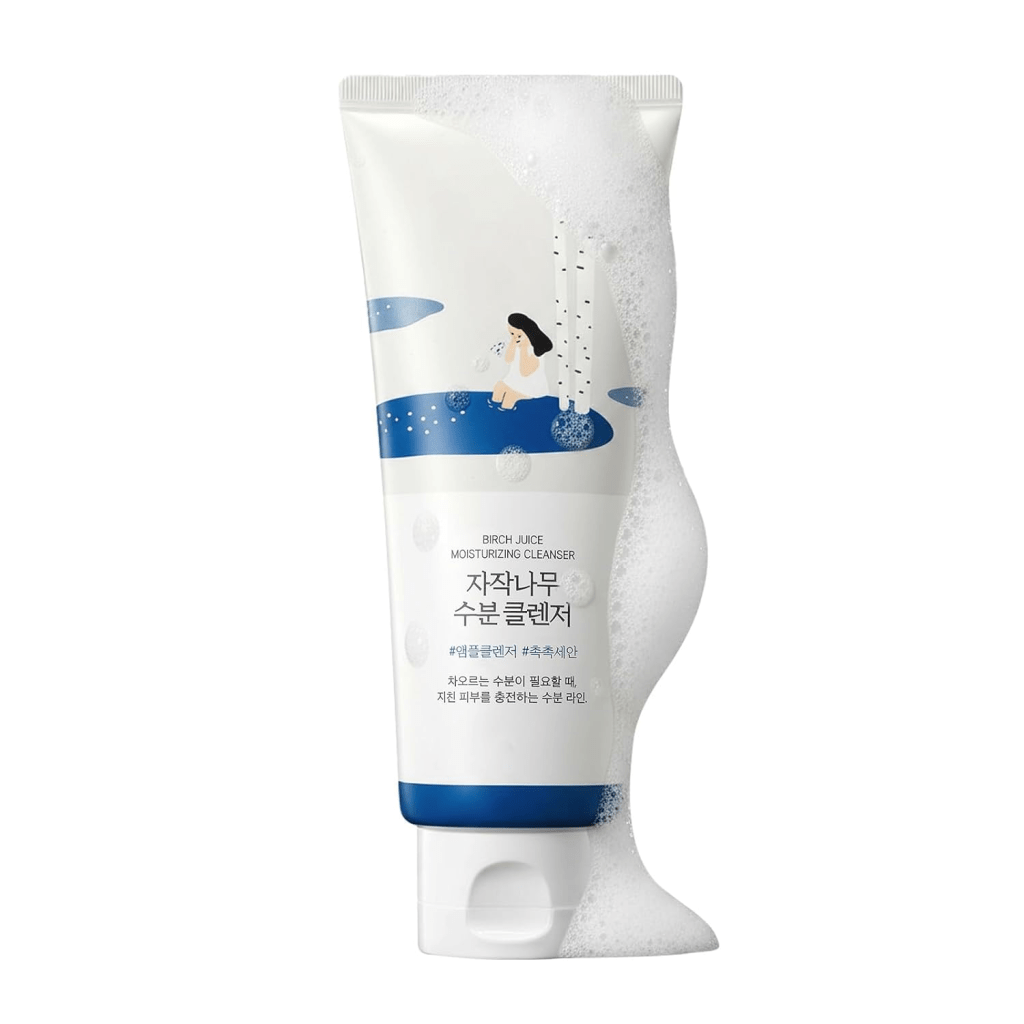
Step 1 — Cleanse (low-foam or no-cleanse) In winter, with dry skin, a second cleanse in the morning is unnecessary unless you have applied an oil-based product overnight. Rinsing with cool water — or using a gentle hydrating cleanser once — preserves the barrier more effectively than twice-daily foaming.
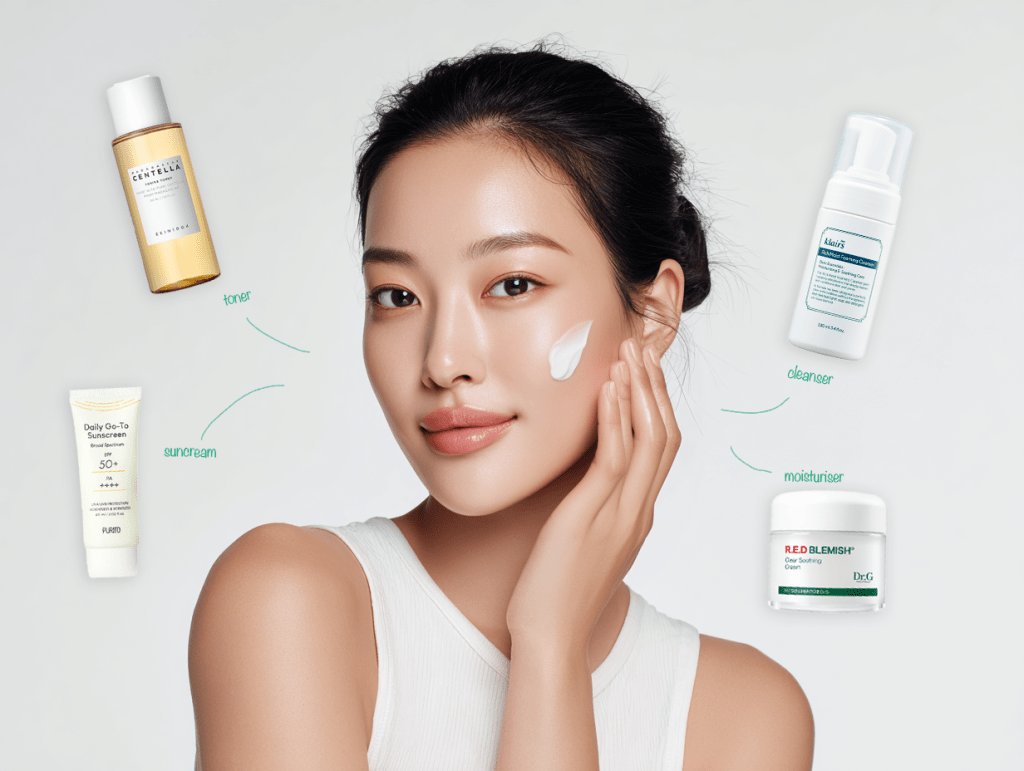
**Product: Round Lab Birch Juice Moisturising Cleanser — amino acid-based surfactant, pH approximately 5.5, appropriate for daily use without stripping. → Check on Amazon
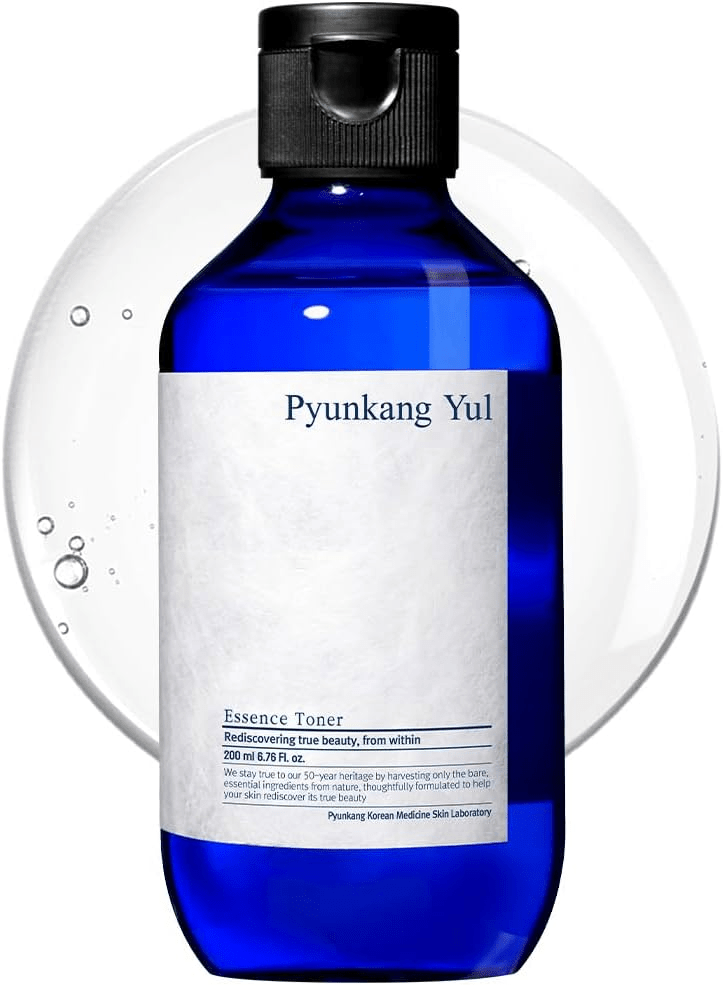
Step 2 — Hydrating toner (applied to slightly damp skin) Apply immediately after patting skin mostly — not completely — dry. This step has the most influence on the performance of everything applied afterward.
**Product: Pyunkang Yul Essence Toner — 91.3% Astragalus Membranaceus Root Extract, low molecular weight components, humectant without being watery. Consistently cited on r/AsianBeauty for dry European skin specifically. → Check on Amazon
Step 3 — HA serum (sealed immediately) Apply within 60 seconds of the toner. Do not allow skin to dry between these steps.
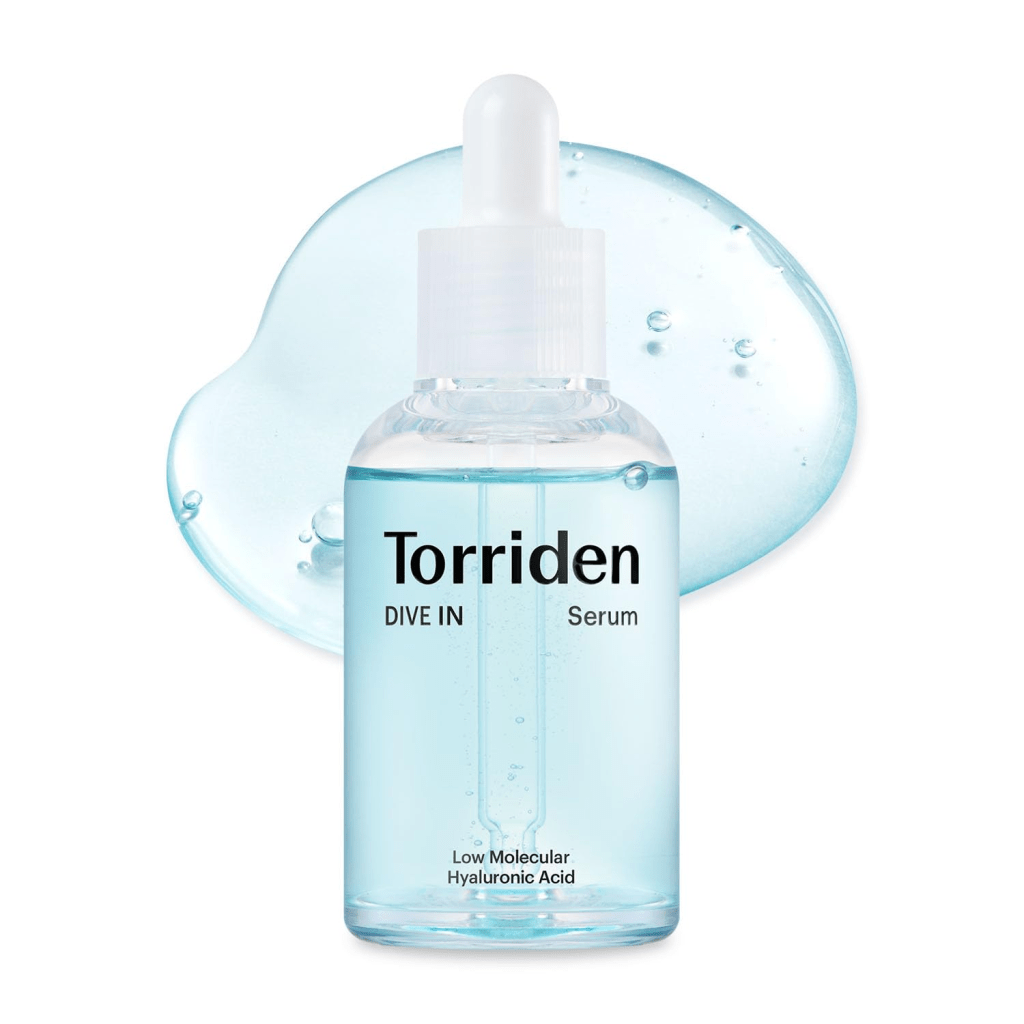
**Product:Torriden Dive-In Low Molecule Hyaluronic Acid Serum — five molecular weights, fragrance-free, thin enough to absorb before the next step. → Check on Amazon
Step 4 — Ceramide moisturiser This is the sealing step. It should be emollient (containing fatty acids or plant butters), not simply humectant.
**Product: Aestura Atobarrier 365 Cream — five-ceramide complex, cholesterol, fatty acids. The formulation ratio most closely approximates the natural lipid matrix composition among widely available Korean moisturisers. → Check on Amazon
Step 5 — SPF Year-round, regardless of season. Northern European UVA exposure is present through cloud cover and glass. Korean SPF formulations are worth using for their texture alone — they layer under makeup more cleanly than most European or North American sunscreens.
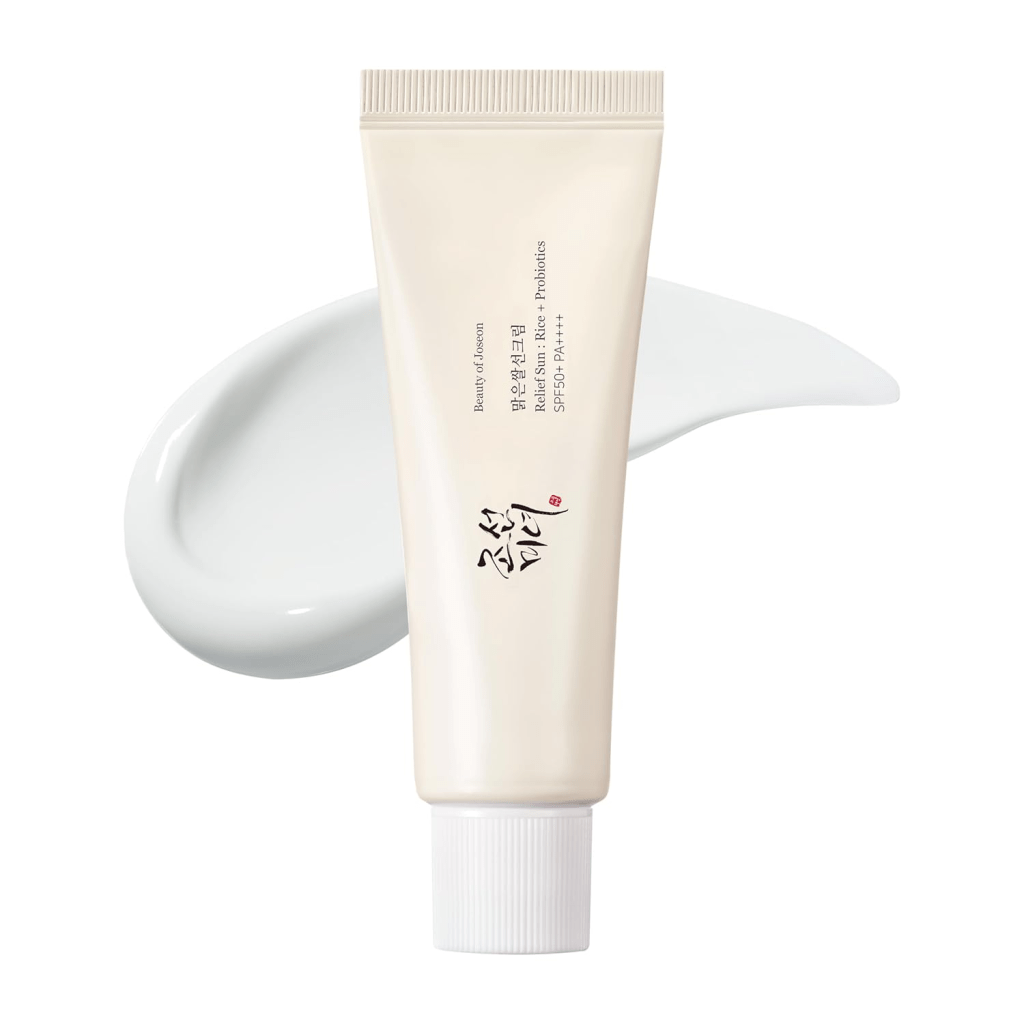
**Product:Beauty of Joseon Relief Sun: Rice + Probiotics SPF 50+ PA++++ — lightweight, no white cast on most European skin tones, probiotic component consistent with the barrier-support logic of the overall routine. → Check on Amazon

Evening Routine
Step 1 — Oil cleanse If SPF or makeup has been worn, an oil cleanse is the correct first step. Water-based cleansers do not effectively remove oil-based SPF actives. A light cleansing oil or cleansing balm, massaged on dry skin and emulsified with water, removes SPF completely without the mechanical friction of repeated water-based washing.
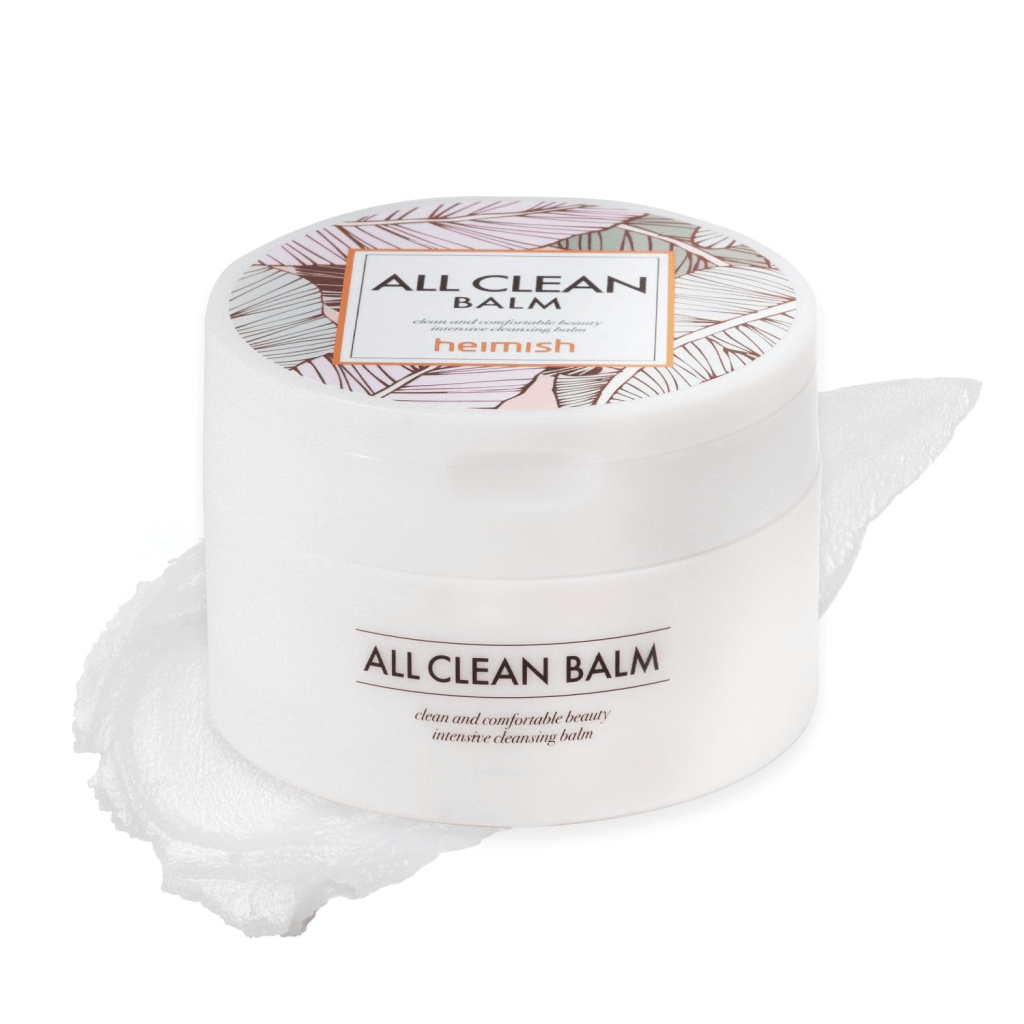
**Product: Heimish All Clean Balm — widely available in Germany via Amazon DE, mild, rinses cleanly without leaving residue. → check on Amazon
Step 2 — Water cleanse Follow with the same gentle cleanser used in the morning.
Step 3 — Repeat Steps 2–4 from the morning routine Evening is when ceramide concentration matters most. If outdoor temperatures were below 5°C, consider applying a slightly heavier layer of the ceramide cream than in the morning.
Routine B: Sensitive or Reactive Skin in a European Context
Sensitive skin in a northern European context has specific characteristics that are worth naming before recommending products. Fragrance is the most common trigger — northern European populations have higher rates of fragrance contact allergy than East Asian populations, and many Korean products are formulated without the EU consumer’s fragrance sensitivity profile in mind. Hard water is the second variable: the alkalising effect of high-mineral water on skin pH amplifies sensitivity in ways that are often attributed to products rather than water quality.
Introduce one product at a time. For sensitive skin in a European context, adding one new product every two to three weeks is the minimum interval to identify the source of any reaction.
Patch test on the inner arm, not the jawline. The inner arm skin is thinner and more sensitive than cheek skin. A product that passes a jawline patch test may still cause a reaction on facial skin.
Morning Routine for Sensitive Skin
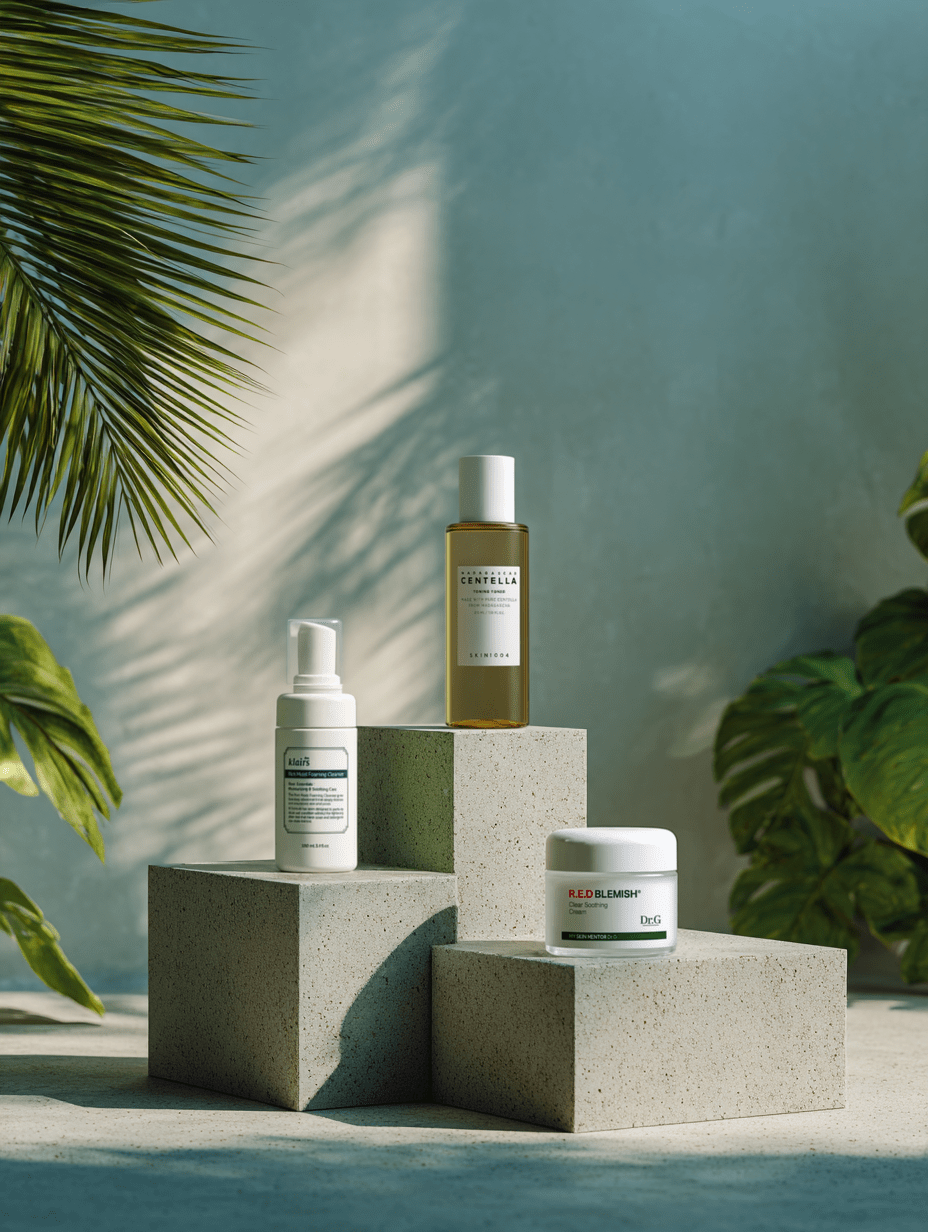
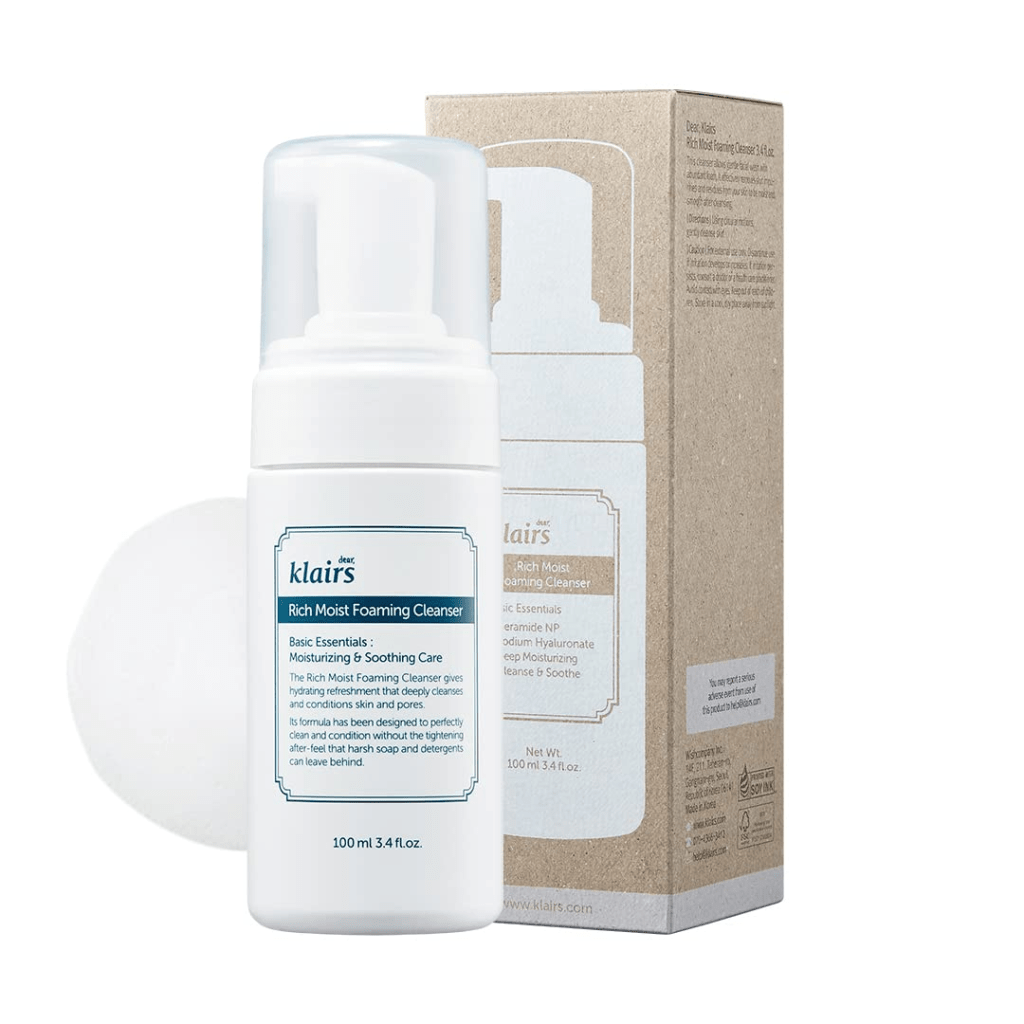
Cleanser: Klairs Rich Moist Foaming Cleanser — amino acid-based, pH 6.0, fragrance-free, produces minimal foam. For reactive skin, this is more appropriate than high-foam versions. → Check on Amazon
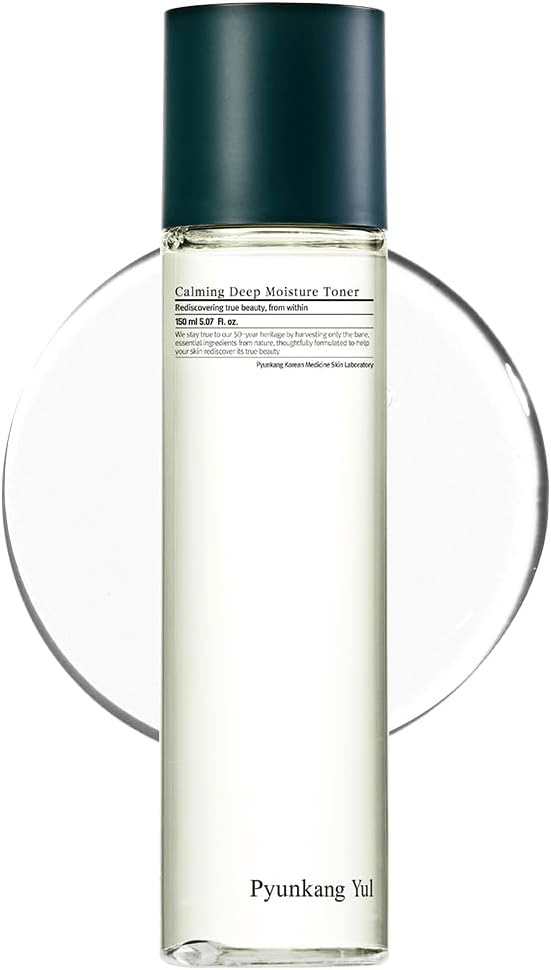
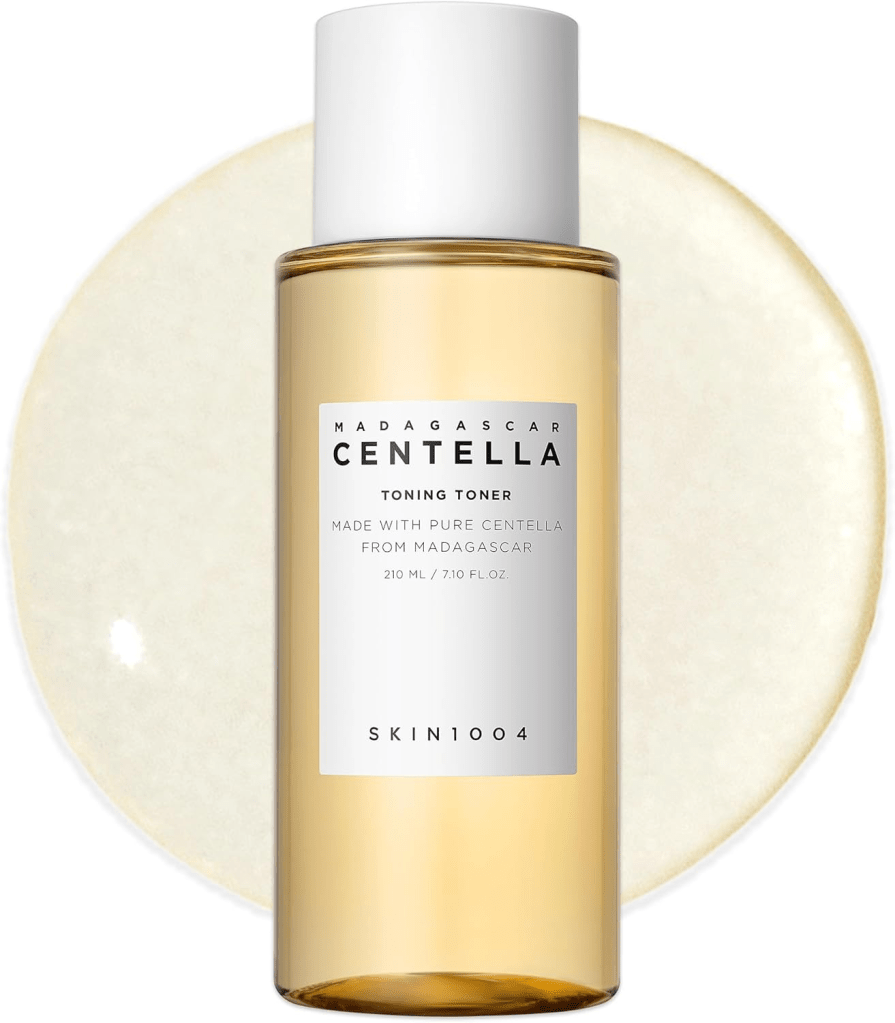
Calming toner/essence: Pyunkang Yul Calming Moisture Toner or Skin1004 Madagascar Centella Toning Toner. The centella toner deserves specific attention for European reactive skin. Centella asiatica — and specifically madecassoside, its active derivative — has documented anti-inflammatory effects with a higher quality evidence base than most skincare botanicals. The Skin1004 formulation is fragrance-free, centella-first, and consistently well-reviewed on r/SkincareAddiction for reactive skin. → check Pyunkang Yul/ Skin1004 on Amazon
Barrier moisturiser: Dr.G Red Blemish Clear Soothing Cream — the formulation that combines ceramides with centella derivatives and beta-glucan. For reactive skin, this handles the work of both a barrier cream and a calming treatment in one step. →Check on Amazon
SPF: Avoid SPF products containing alcohol, fragrance, or chemical filters that commonly sensitise (benzophenone-3, octocrylene). Korean mineral SPFs — those based on zinc oxide or titanium dioxide — are generally better tolerated by reactive skin.
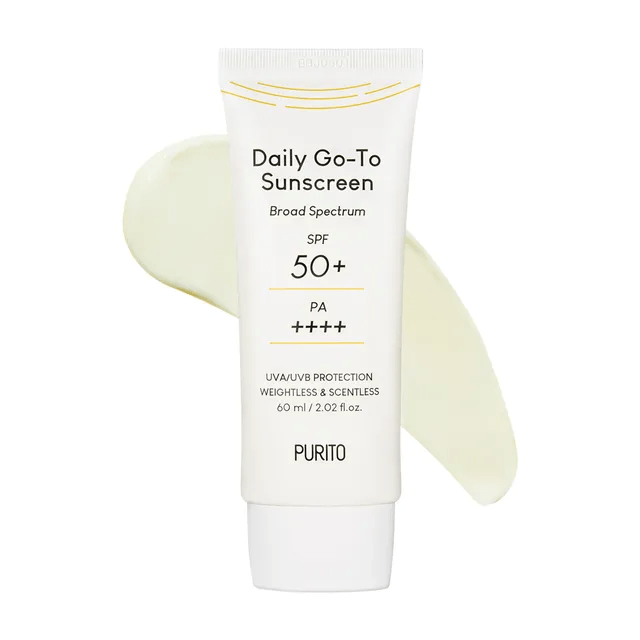
Product: Purito Daily Go-To Sunscreen SPF 50+ PA++++ — mineral-chemical hybrid with no fragrance, well-documented tolerability data from Korean dermatological sources. →Check on Amazon

Evening Routine for Sensitive Skin
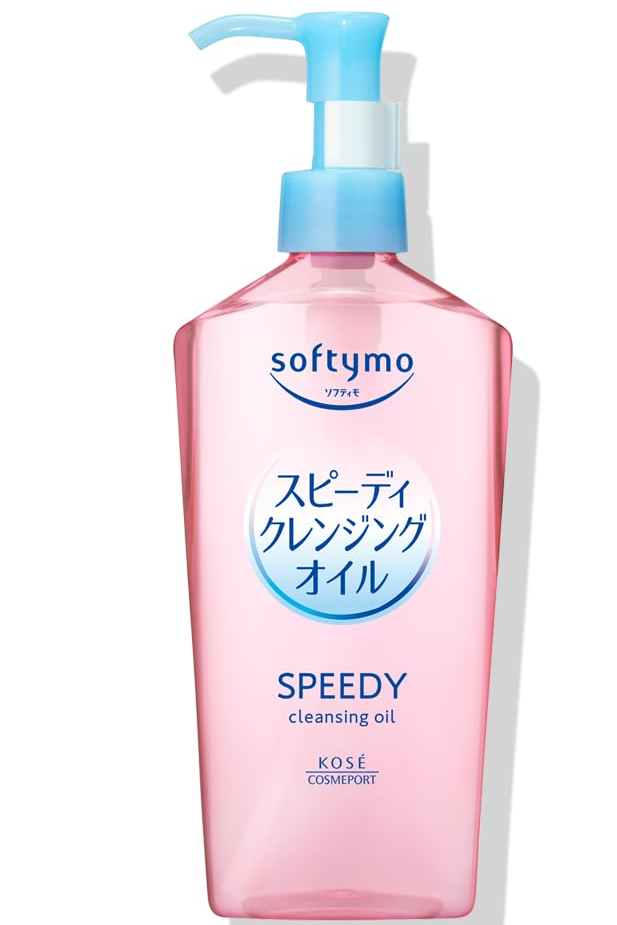
Oil cleanse: Sensitive skin benefits from oil cleansing because it removes SPF without surfactant contact with the skin surface. The cleansing oil does all the work.
**Product: Kose Softymo Speedy Cleansing Oil —Japanese product, mineral oil base, rinses without residue, fragrance-free, consistently recommended for reactive skin on Korean and international dermatology forums. → Check on Amazon
Water cleanse: Follow with the same gentle cleanser used in the morning.
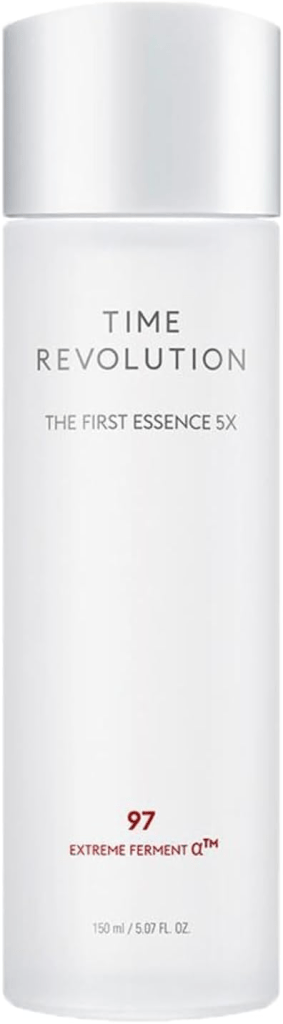
Essence or serum (optional): Missha Time Revolution The First Treatment Essence — fermented yeast filtrate (saccharomyces ferment filtrate), which has a substantial body of tolerability data for sensitive skin. If the skin is reacting to multiple products, skip this step and reintroduce it as a single variable later. → Check on Amazon
Barrier moisturiser: Same as morning, or a slightly heavier application of the Dr.G cream.
Seasonal Adjustments for European Climate Patterns
European skincare needs shift more dramatically across seasons than Korean skincare assumes. Korean winters are cold and dry; Korean summers are hot and intensely humid (the monsoon season). Korean skincare is therefore partly optimised for a wider humidity range than European skincare encounters.
In Europe, the most challenging transition is September to November — not January. Heating systems activate, outdoor humidity drops, and the skin barrier shifts from summer mode (high sebum production, UV exposure, external pollutants) to winter mode (low humidity, indoor heating, lipid depletion) within a matter of weeks. This is when most Europeans notice their skin changing and reach for heavier products.
The spring-to-summer adjustment is also underestimated. Switching from heavy ceramide moisturisers to lighter textures in April–May prevents congestion and the milia (small white keratin cysts) that can form when thick occlusive products combine with higher temperatures and UV-stimulated cell turnover. Korean gel moisturisers and essence-textured hydrators are well-suited to European spring and summer precisely because they deliver hydration without the occlusive weight that skin does not need when functioning in a higher-humidity environment.
Year-round constants: SPF regardless of season. HA serum sealed with at least a light emollient regardless of season. Fragrance-free formulations for sensitive skin regardless of season.
Hard Water: The Variable Most Routines Don’t Account For
Hard water affects skincare in two specific ways that are relevant to a Korean routine.
**First: most Korean skincare products are formulated for the water quality of Seoul, which is classified as soft to moderately soft — significantly lower in calcium and magnesium content than most western European tap water. London water hardness averages around 293 mg/L CaCO₃ (very hard by any standard); Frankfurt around 358 mg/L CaCO₃; Munich around 270–285 mg/L CaCO₃. These differences matter — the calcium and magnesium ions in hard water interact with the surfactants in cleansers and leave a residue that disrupts the skin surface.
**Second: hard water elevates skin pH after cleansing. Healthy skin surface pH is 4.5–5.5 (slightly acidic). Hard water has a pH of 7–8. Washing skin with hard water repeatedly alkalises the surface, which impairs the enzyme activity that processes ceramide precursors. If your skin has been persistently reactive despite using fragrance-free products, water quality is worth investigating before changing products again.
**Practical solutions: a low-pH toner (pH 5.0–5.5) applied immediately after cleansing re-acidifies the surface. Micellar water used as a final rinse removes the mineral film without re-exposure to tap water. A shower head filter reduces mineral content in the water used for cleansing — a measurable intervention with documented skin tolerability improvement in published dermatology studies.
Recommended shower filters:
Cobbe Shower Head with Filter / Philips Shower Filter / Magichome Shower Head with Filter
Frequently Asked Questions
Do I need to use all steps if my skin is already doing well? No. A routine that is working should not be expanded. Add steps only when a specific need emerges — dryness in winter, increased sensitivity after changing products. The goal is the minimum number of steps that produces the result your skin needs, not the maximum number of products in the category.
Can I use the same products year-round? In most European climates, the PM routine should be heavier in winter and lighter in summer. The AM routine can often stay consistent if you adjust the occlusive weight of your moisturiser seasonally. Products used for texture and hydration — toners, HA serums, centella essences — generally do not need to change seasonally.
My skin is combination (oily T-zone, tight cheeks) — which routine applies? The dry skin routine applied only to the cheeks and jawline, with the sensitive skin calming products (centella toner, lighter moisturiser) on the T-zone. Avoid applying heavy ceramide creams to areas where comedonal acne is a concern — the fatty acid composition in some ceramide formulations can cause congestion in pores that are already prone to blockage.
Are Korean skincare products safe to use under EU product safety standards? Products distributed by EU-registered retailers (including YesStyle, Stylevana, and Douglas when stocking Korean brands) are required to comply with EU Cosmetics Regulation EC 1223/2009, including prohibited substance restrictions and labelling requirements. Products purchased from Korean retailers shipping directly to the EU are the Korean-market formulation and may use ingredients or make claims that differ from EU-market standards. The difference is usually in labelling and claims, not formulation safety — but it is worth verifying prohibited ingredients using the CosIng database for any product used regularly on sensitive skin.
Climate data referenced from German Weather Service (DWD) humidity records. Water hardness data from European Environment Agency public database and city utility reports (Thames Water, Stadtwerke München, Stadtwerke Frankfurt). Dermatological references from PubMed/NCBI, filaggrin research from O’Regan and Irvine (2009) and subsequent publications. Community observations from r/AsianBeauty and r/SkincareAddiction EU user threads. All affiliate links may generate a small commission.


 JJJOZ BLOG
Leave a comment