

The Counterintuitive Problem with Hyaluronic Acid in Winter
Hyaluronic acid (HA) is often described as a molecule that “holds 1000 times its weight in water.” This is technically accurate under controlled laboratory conditions. It is less useful as a description of what happens when you apply an HA serum in a centrally heated apartment in January.
HA is a hygroscopic molecule — it draws moisture from its environment. In a humid environment, that environment is the air around your skin. In a dry environment, particularly one with relative humidity below 40–45%, it draws moisture from the deeper layers of your own skin instead.
The result is that an HA serum applied without a sealing step can increase transepidermal water loss (TEWL) rather than reduce it. The surface of the skin feels temporarily plump. The underlying dermis becomes more dehydrated. Over repeated daily use through a European winter, this can accelerate the cycle of tightness, sensitivity, and flaking that people are usually trying to solve with the product.
This does not mean hyaluronic acid is wrong for European skin. It means the application protocol matters more than the product itself — and that molecular weight matters more than most product descriptions suggest.
What Molecular Weight Actually Means for Skin
Hyaluronic acid is a polymer — a long chain of repeating sugar units. The length of the chain determines its molecular weight, typically measured in Daltons (Da) or kiloDaltons (kDa). Different molecular weights interact with the skin in structurally different ways.
High Molecular Weight HA (above 1,000 kDa)
High molecular weight HA cannot penetrate the stratum corneum. Its molecules are too large to pass between corneocytes. Instead, it sits on the skin’s surface and forms a film that physically prevents water from evaporating — functioning as a humectant-occlusive hybrid rather than a true penetrating humectant.
This is the form most associated with the “plumping” effect visible immediately after application. The skin looks fuller because a hydrophilic film is retaining surface moisture, not because moisture has been delivered deeper into the tissue.
In high-humidity environments, high MW HA is highly effective — it pulls moisture from the air and holds it at the skin surface. In low-humidity environments, it remains hydrophilic, which is where the problem described above occurs: it draws available moisture toward the surface layer, pulling from below rather than from above.
**Application note for European winter:** High MW HA serums should be sealed with an occlusive or emollient on top. Applied alone as the last step, they are more likely to cause long-term dehydration than to resolve it.
Low Molecular Weight HA (below 50 kDa)
Low MW HA — sometimes called LMW-HA — can penetrate into the epidermis, reaching the deeper layers of the stratum corneum and potentially the living epidermis beneath it. This is the form that delivers moisture into skin tissue rather than sitting on top.
There is a complication worth knowing. Some published dermatological research has found that repeated topical application of very low molecular weight HA — particularly fragments below 10 kDa — can trigger low-grade inflammatory responses in sensitive skin. The precise mechanism is debated, but the hypothesis is that the body interprets small HA fragments as a signal of tissue damage.
This research is inconclusive in terms of practical guidance, but it has influenced how Korean formulators approach LMW-HA. Many newer formulations use a medium-low range (50–300 kDa) that penetrates the stratum corneum without reaching sizes small enough to be flagged as fragment signals. This range is sometimes marketed as “multi-molecular weight” or “multi-weight” hyaluronic acid on K-beauty product listings.
Sodium Hyaluronate vs Hyaluronic Acid
Sodium hyaluronate is the sodium salt of hyaluronic acid. On an ingredient label, these are different INCI names for what is functionally very similar material — sodium hyaluronate is simply the stable, water-soluble form in which hyaluronic acid is almost always used in formulations.
When a product lists “sodium hyaluronate” rather than “hyaluronic acid,” it is not using a different molecule. The molecular weight of the sodium hyaluronate determines the same penetration and surface behaviour described above. Low molecular weight sodium hyaluronate penetrates; high molecular weight sodium hyaluronate films. The naming distinction matters for INCI list reading but not for deciding which product to buy.
The Low-Humidity Application Protocol
Before recommending any product, it is worth establishing the application principle that changes everything in a northern European context.
HA serums should be applied to skin that is slightly damp, and they should be sealed within 60 seconds with an emollient or occlusive.
Slightly damp means immediately after cleansing, before skin is completely dry — or after applying a hydrating toner. “Sealed” means applying a moisturiser containing emollient ingredients (fatty acids, ceramides, shea butter) within a minute of the HA application. The HA molecule then has something to draw from at the surface, and the emollient layer above it prevents what it has captured from evaporating into dry air.
Under humidity conditions typical of a dry winter interior, this two-step sequence is the difference between the product functioning as intended and functioning in reverse.
Korean HA Formulations Worth Examining
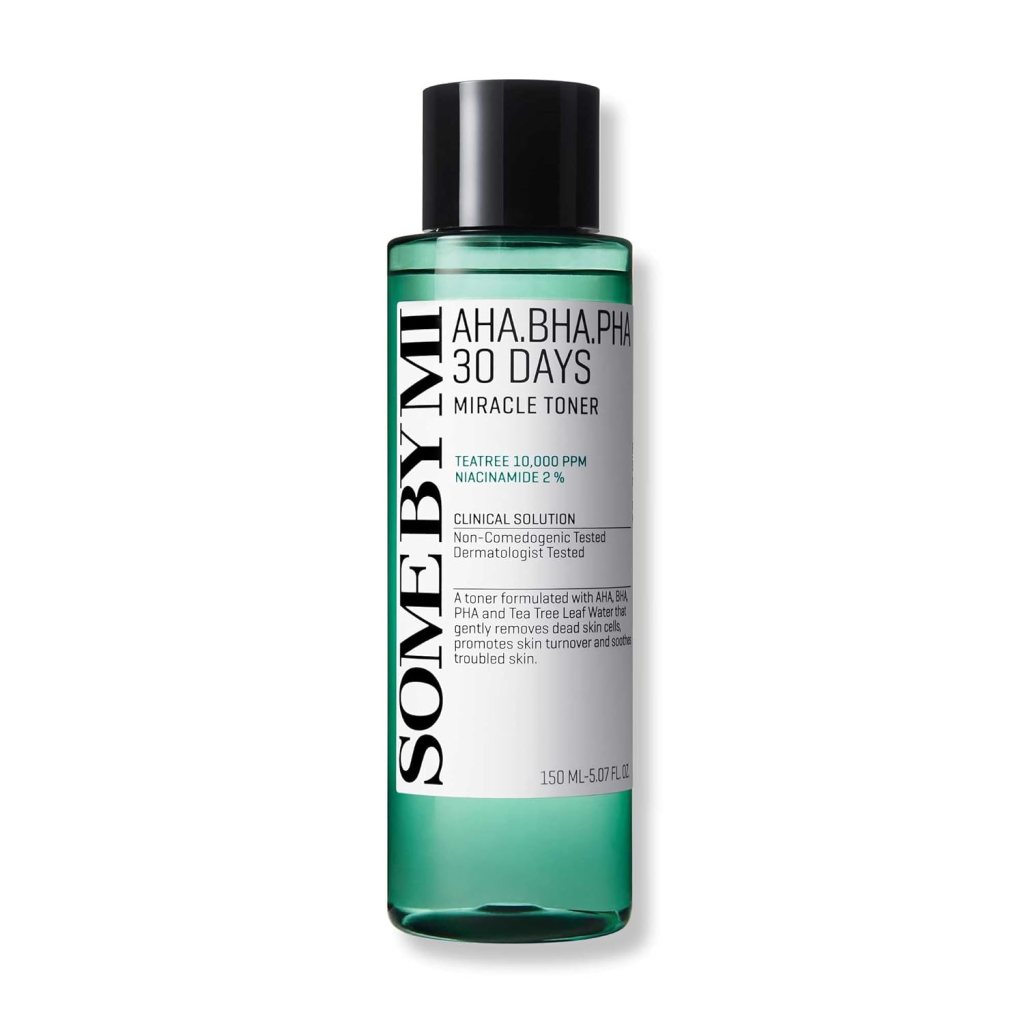
SOME BY MI AHA BHA PHA 30 Days Miracle Toner
Often discussed primarily for its exfoliating acids, this toner contains sodium hyaluronate at a concentration that makes it a useful first-step hydration layer. The AHA/BHA component is mild enough for regular use on sensitive skin. As a first step before a dedicated HA serum in a dry climate routine, it layers effectively without overloading the skin.
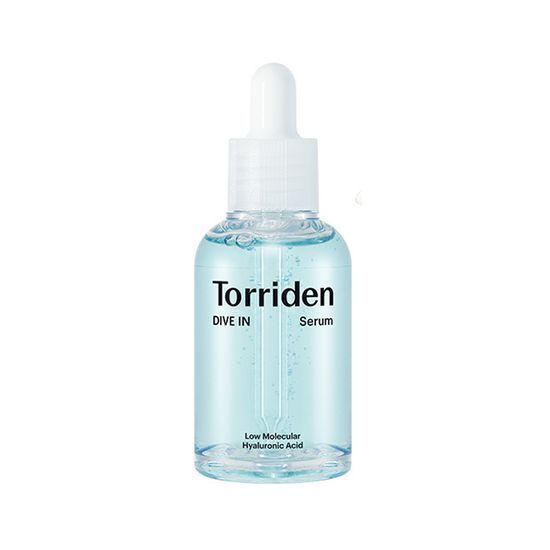
Torriden Dive-In Low Molecule Hyaluronic Acid Serum
This is one of the more carefully formulated low molecular weight HA serums on the Korean market. The Torriden Dive-In uses five different molecular weights of hyaluronic acid, from very high to very low, with the product’s own documentation citing the 5K Da low MW component as a key differentiator. It is lightweight, fragrance-free, and absorbs quickly — appropriate as the HA step before a ceramide or heavier emollient in a European winter routine.
The absence of fragrance is relevant for EU readers: a significant proportion of synthetic fragrance compounds are contact allergens with higher documented sensitivity rates in northern European populations than in East Asian populations. Products formulated without fragrance reduce this variable considerably.
→ [Check Torriden Dive-In on Amazon.de]
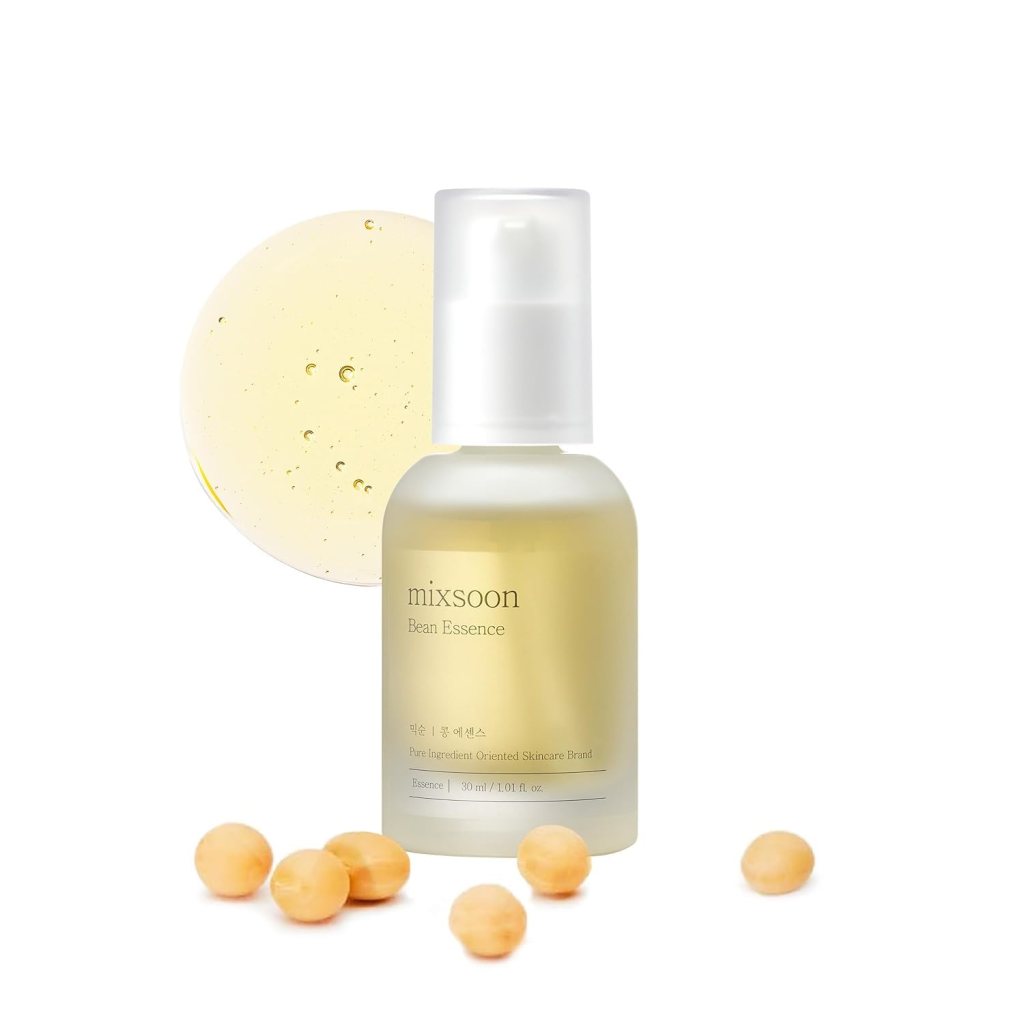
Mixsoon Bean Essence
This product uses fermented soybean extract as its primary active, but sodium hyaluronate appears high in the formulation. What distinguishes it from a pure HA serum is that the fermented base adds fatty acid content and probiotics — components that support the barrier alongside the hydration. For skin that struggles with both dehydration and redness, this combination is more efficient than separate steps.
→ [Check Mixsoon Bean Essence on Amazon.de]
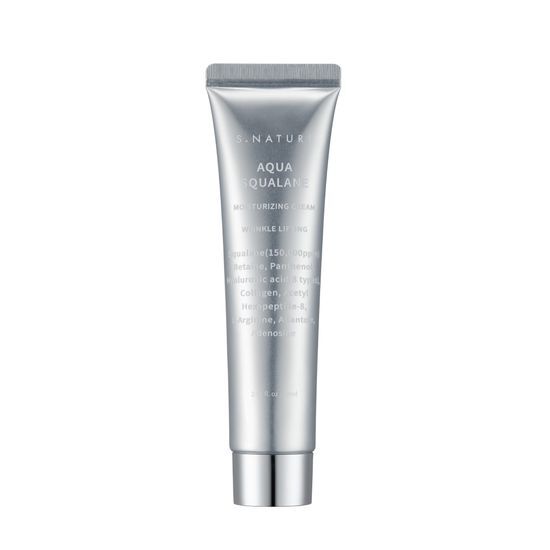
S.Nature Aqua Squalane Moisturising Cream
Worth mentioning here even though it is a moisturiser rather than a serum: this formulation pairs sodium hyaluronate with squalane in a way that addresses the sealing problem described above in a single step. The squalane provides the occlusive layer, the sodium hyaluronate provides the humectant layer, and the combination functions as a simplified HA-plus-occlusive protocol for those who prefer fewer products. The texture is lighter than most ceramide creams, making it appropriate for daily use under SPF.
→ [Check S.Nature on Amazon DE]
Ingredients That Work With HA in Low-Humidity Environments
Panthenol (Provitamin B5)
Panthenol is a humectant with a molecular structure small enough to penetrate the epidermis and convert to pantothenic acid (Vitamin B5) in skin cells, where it plays a role in cell regeneration and barrier repair. It is less hygroscopic than HA — it draws moisture more gently — and is therefore less problematic in dry air conditions when used alone.
Combined with HA, panthenol partially offsets the drying-out risk: it penetrates and supports the barrier from within while the HA hydrates from the surface down. Look for formulations where both appear in the top half of the ingredient list.
Beta-Glucan
Beta-glucan is derived from oat (avena sativa), mushroom, or yeast sources. It is a polysaccharide with documented wound-healing and anti-inflammatory properties, and it functions as a humectant with film-forming properties at higher molecular weights — similar to HA in mechanism, but with an additional soothing component.
Korean formulators increasingly use beta-glucan alongside HA in products aimed at sensitive or reactive skin types. For EU readers with skin that responds to environmental changes — redness in cold air, tightness after washing, sensitivity to fragrance — beta-glucan is a useful indicator that a product has been formulated with barrier recovery in mind rather than hydration alone.
Glycerin
Glycerin is the most studied humectant in dermatological literature. It is small enough to penetrate the stratum corneum, and at appropriate concentrations (3–5% in a formulation) it increases skin hydration by drawing water from below. Unlike HA, it does not have the same surface-filming effect, and it is less affected by ambient humidity in clinical studies.
For skin where the low-humidity problem with HA is a recurring concern, formulations that include glycerin as a co-humectant tend to be more reliably hydrating in dry conditions. The two humectants work at different depths and by different mechanisms, which is why glycerin + HA appears in nearly every well-formulated Korean hydration serum.
EU Regulatory Context: HA and “Filler” Claims
Hyaluronic acid injectable fillers (Juvederm, Restylane) are regulated as medical devices in the EU. Topical HA products are regulated as cosmetics. The distinction matters because some Korean products use language — “filler serum,” “skin filler,” “injectable-level hydration” — that implies a clinical outcome.
In the EU, these claims are impermissible for cosmetic products. A cosmetic cannot claim to reduce wrinkles in the way a filler does. This does not affect formulation quality, but it does explain why some Korean products sold through EU retailers carry modified claims compared to their Korean-market counterparts. You can verify the EU cosmetic claim framework in Article 20 of the EU Cosmetics Regulation (EC 1223/2009).
Frequently Asked Questions
**Can I use HA every day in winter?**
Yes, with the application protocol described above: slightly damp skin, sealed immediately. Daily use without sealing is where the drying-out problem typically starts.
**Does refrigerating HA products help?**
No — refrigeration is often recommended for Vitamin C products to slow oxidation, but HA is stable at room temperature and refrigeration provides no functional benefit.
**I see “hydrolysed hyaluronic acid” on some labels. Is this different?**
Hydrolysed hyaluronic acid has been processed to break the HA polymer into smaller fragments — effectively a low molecular weight HA. The “hydrolysed” descriptor tells you the process used, not a specific molecular weight range.
**Why does my skin feel tight after using an HA serum?**
This is most often the low-humidity problem. Apply to damp skin and seal immediately with a moisturiser. If tightness continues, check whether the product is formulated with a high alcohol content — look for alcohol (ethanol) in the top five ingredients of the INCI list.
**Are there HA products to avoid for sensitive skin in Europe?**
Fragrance-containing HA products carry higher risk for sensitive skin. Also be cautious with products that list HA as a key ingredient but position it low on the label (below preservatives) — the concentration at that point is likely insufficient to have meaningful effect.
*Ingredient information verified against INCI Decoder and CosIng EU database. Molecular weight research referenced from PubMed/NCBI. Affiliate links: purchasing through these links may earn a small commission at no additional cost to you.*
 JJJOZ BLOG
Leave a comment