
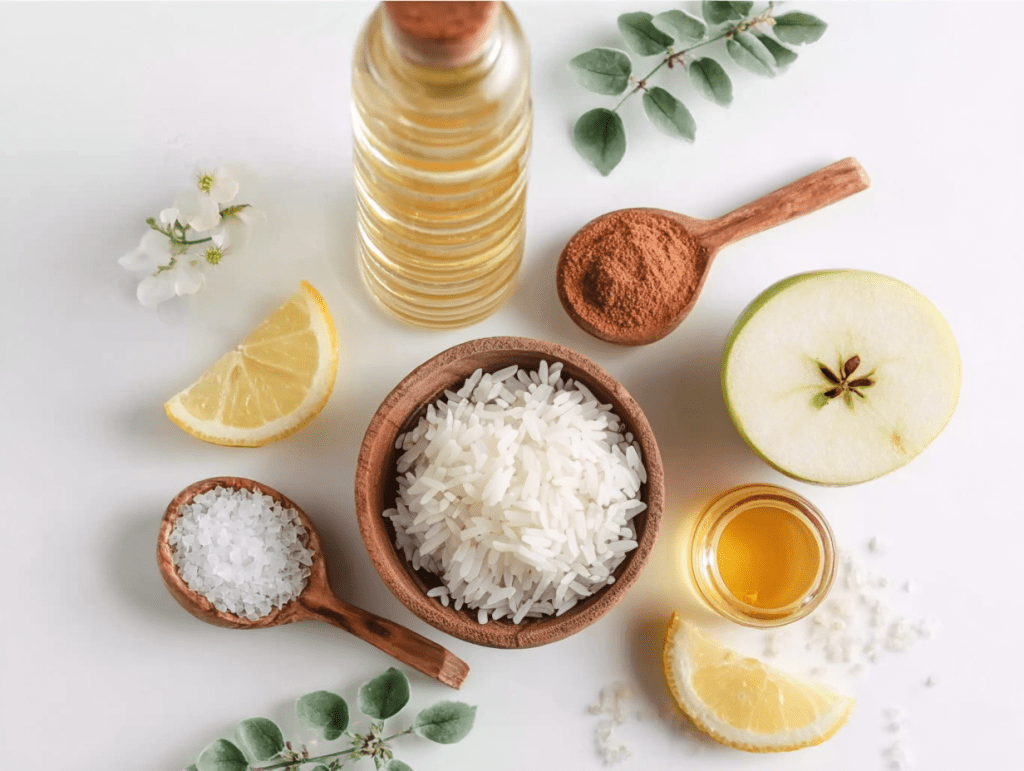
Fermented skincare is one of the categories most vulnerable to imprecise language. The marketing vocabulary around it — “probiotic,” “ancient wisdom,” “microbiome-supporting” — often obscures rather than explains what is happening chemically when these ingredients interact with skin. This post works through the three most clinically documented fermented ingredients in Korean skincare, examines what fermentation is specifically doing in each case, and addresses the “probiotic” claim that appears on an increasing number of European product labels.
The short version: fermentation is a genuinely useful process for certain skincare ingredient categories, and the evidence for specific ingredients is stronger than the general category framing suggests. But the category framing is also doing significant work to cover the gap between individual ingredient evidence and the broader “fermented = better” proposition.
What Fermentation Does — and What It Doesn’t
Fermentation is the metabolic process by which microorganisms — bacteria, yeasts, or fungi — break down organic substrates under controlled conditions. In skincare ingredient production, the relevant outcomes of fermentation are specific and depend entirely on which organism is fermenting which substrate.
The claim that “fermentation reduces molecular size, improving skin penetration” is the most commonly repeated and most broadly overstated. Fermentation can reduce the molecular weight of certain compounds — polysaccharides broken into shorter chains, proteins broken into peptides and amino acids — but this varies significantly by ferment type and substrate. It is not a general property of fermentation that applies uniformly across ingredient categories.
What fermentation more reliably produces, depending on the combination of organism and substrate, is a shift in the biochemical composition of the resulting material: new compounds that were not present in the unfermented source, changed ratios between existing compounds, and in some cases the breakdown of compounds that had limited bioavailability in their original form. Whether any of that constitutes an improvement for skincare purposes depends on which specific compounds are produced and at what concentrations — and that requires ingredient-specific evidence rather than category-level claims.
Galactomyces Ferment Filtrate (GFF)
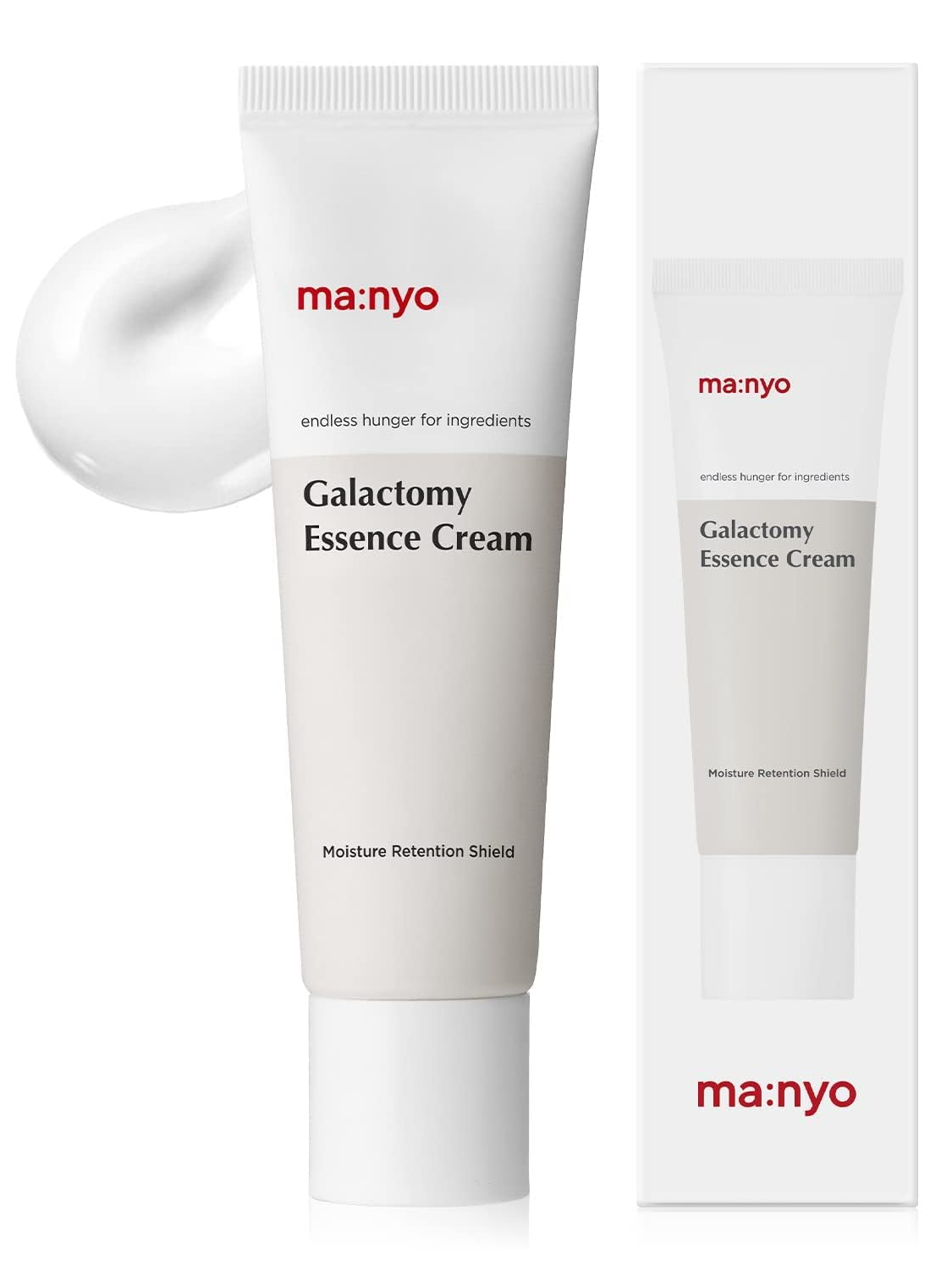
Galactomyces ferment filtrate is produced by fermenting a nutrient medium with Galactomyces yeast — the same fermentation process historically associated with sake production, which is the origin of the frequently cited observation about sake brewers’ hands. That observation is accurate as far as it goes; the scientific question is what mechanism is responsible.
The mechanism is now reasonably well characterised in the published literature. GFF activates the aryl hydrocarbon receptor (AhR) in keratinocytes — a ligand-activated transcription factor that, among other functions, upregulates the expression of filaggrin and loricrin, two proteins critical to the skin barrier’s structural integrity. Research published in Clinical and Experimental Dermatology found that GFF induced nuclear translocation of AhR with significant, dose-dependent upregulation of filaggrin (FLG) and loricrin (LOR) gene expression — and that this effect was abolished in AhR-knockdown keratinocytes, confirming the AhR pathway as the mechanism.
This matters for a European skin context specifically because filaggrin deficiency is implicated in barrier dysfunction that is more prevalent in northern European populations — the same population most affected by the low indoor humidity of centrally heated homes. Additional research from Kyushu University found that GFF also activates NRF2, the master antioxidative transcription factor, enhancing epidermal terminal differentiation by upregulating caspase-14, claudin-1, and claudin-4, while downregulating pro-inflammatory signalling pathways associated with premature skin ageing.
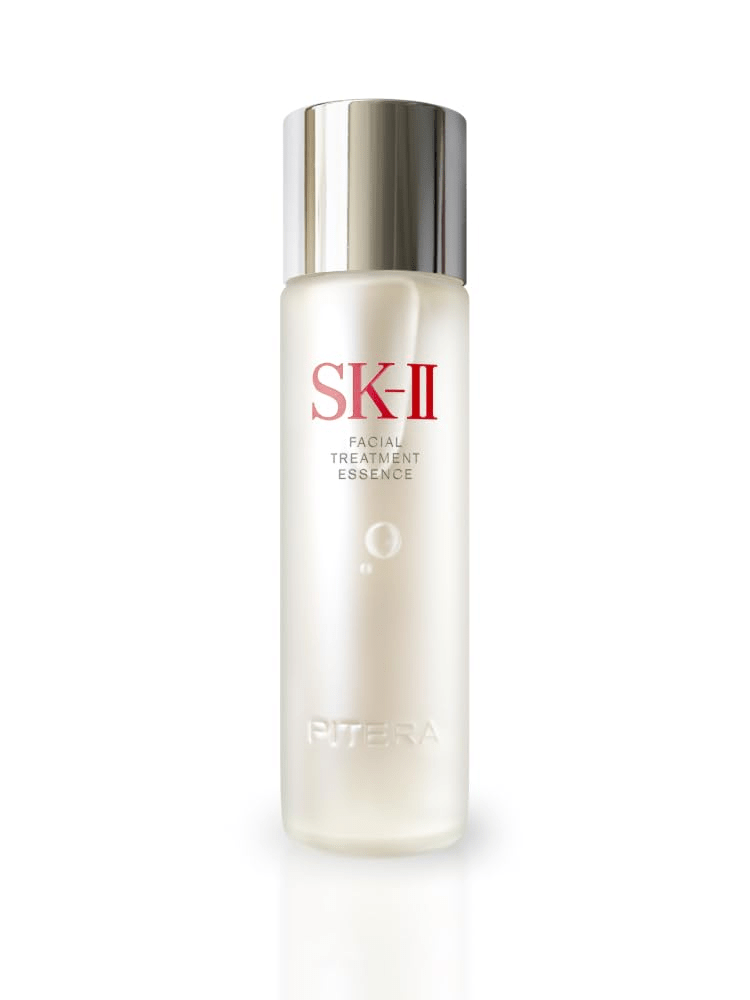
Two independent clinical trials involving daily GFF application for four weeks found significant reductions in facial redness, roughness, and pore dilation — with the effect covering both baseline levels and the daily fluctuation of those parameters. The clinical data is more robust than for most fermented ingredients, partly because GFF (sold as Pitera™ by SK-II and under various INCI designations by other brands) has been the subject of sustained research investment from commercial partners.
One caveat worth stating: several of the key published studies on GFF list researchers with financial relationships to Procter & Gamble (which markets SK-II). The findings are consistent across independent replications, but the funding context is relevant to how the evidence base is assessed.
Where to find it on an INCI list: GALACTOMYCES FERMENT FILTRATE. Common in first-treatment essences and toners. SK-II First Treatment Essence is the reference product; Missha Time Revolution First Treatment Essence is a widely cited accessible alternative.
**Recommended products
Rice Ferment Filtrate
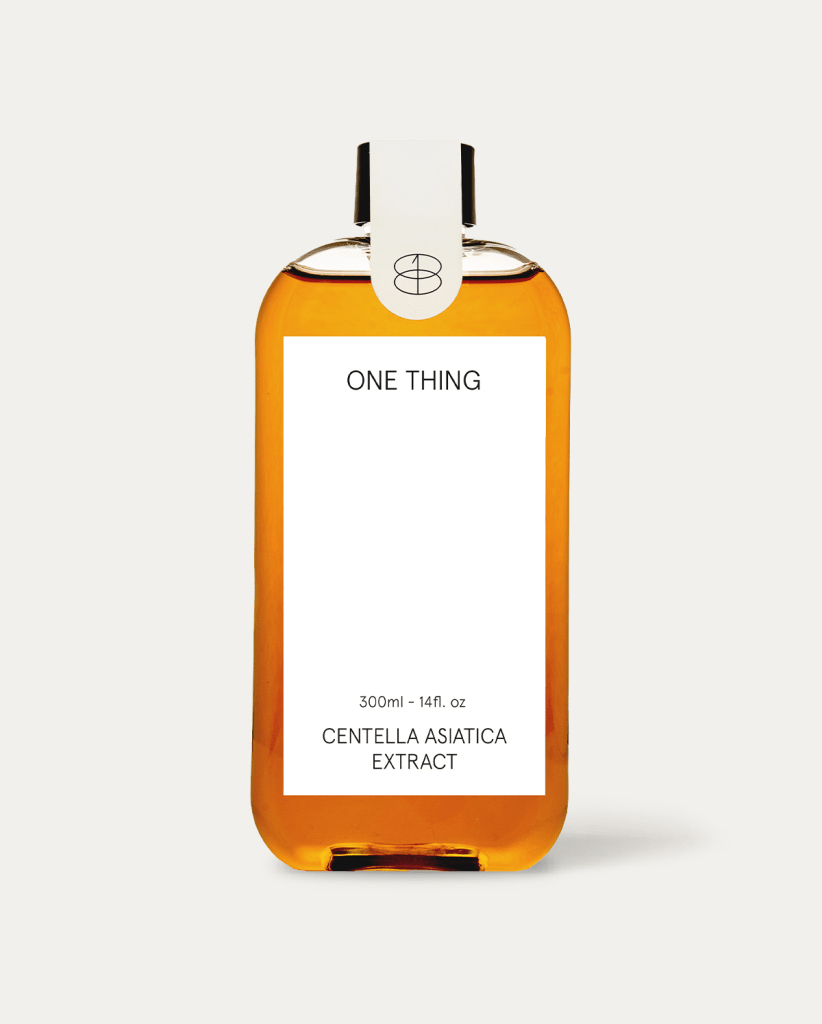
Rice ferment filtrate — typically produced by fermenting rice with Saccharomyces cerevisiae or Aspergillus oryzae, or the combined designation SACCHAROMYCES/RICE FERMENT FILTRATE on an INCI — is a category with a longer traditional history than GFF but a more heterogeneous evidence base.
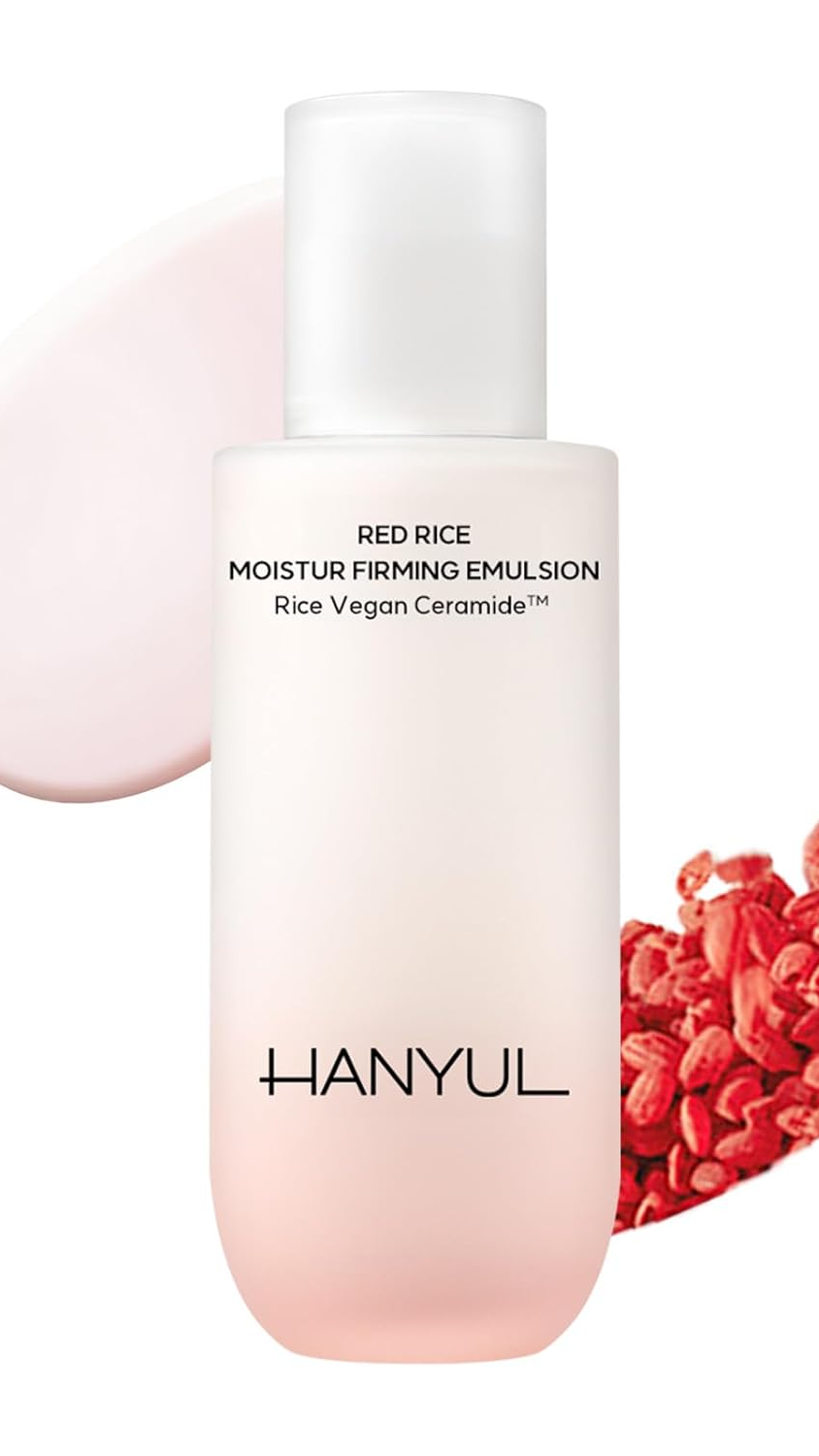
The fermentation of rice with Saccharomyces produces a material rich in amino acids (particularly glutamic acid), short-chain peptides, beta-glucan, vitamins, and in some variants small amounts of ceramide precursors. Research published in Cosmetics (2025) found that brown rice fermented with Saccharomyces cerevisiae significantly elevated hyaluronic acid levels and enhanced the expression of hyaluronan synthase 2 and aquaporin 3 in keratinocyte cell lines — both pathways relevant to skin hydration.
Fermentation with Aspergillus oryzae (the koji mould used in Korean and Japanese fermented food production) tends to produce a different biochemical profile: higher polyphenol content, different peptide composition, and the production of kojic acid — a tyrosinase inhibitor relevant to brightening applications.
The brightening evidence for rice ferment filtrate is reasonably supported, as is the hydration and barrier-supporting evidence. The anti-ageing claims that appear on some product labels are less directly supported by the rice ferment literature specifically, as opposed to the ginseng ferment literature where collagen-related outcomes have been more directly measured.
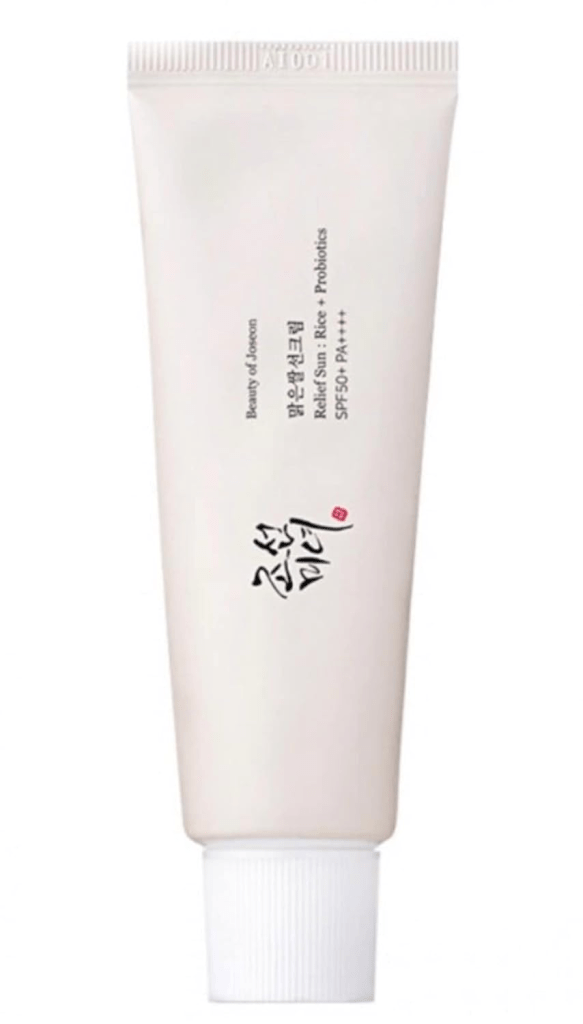
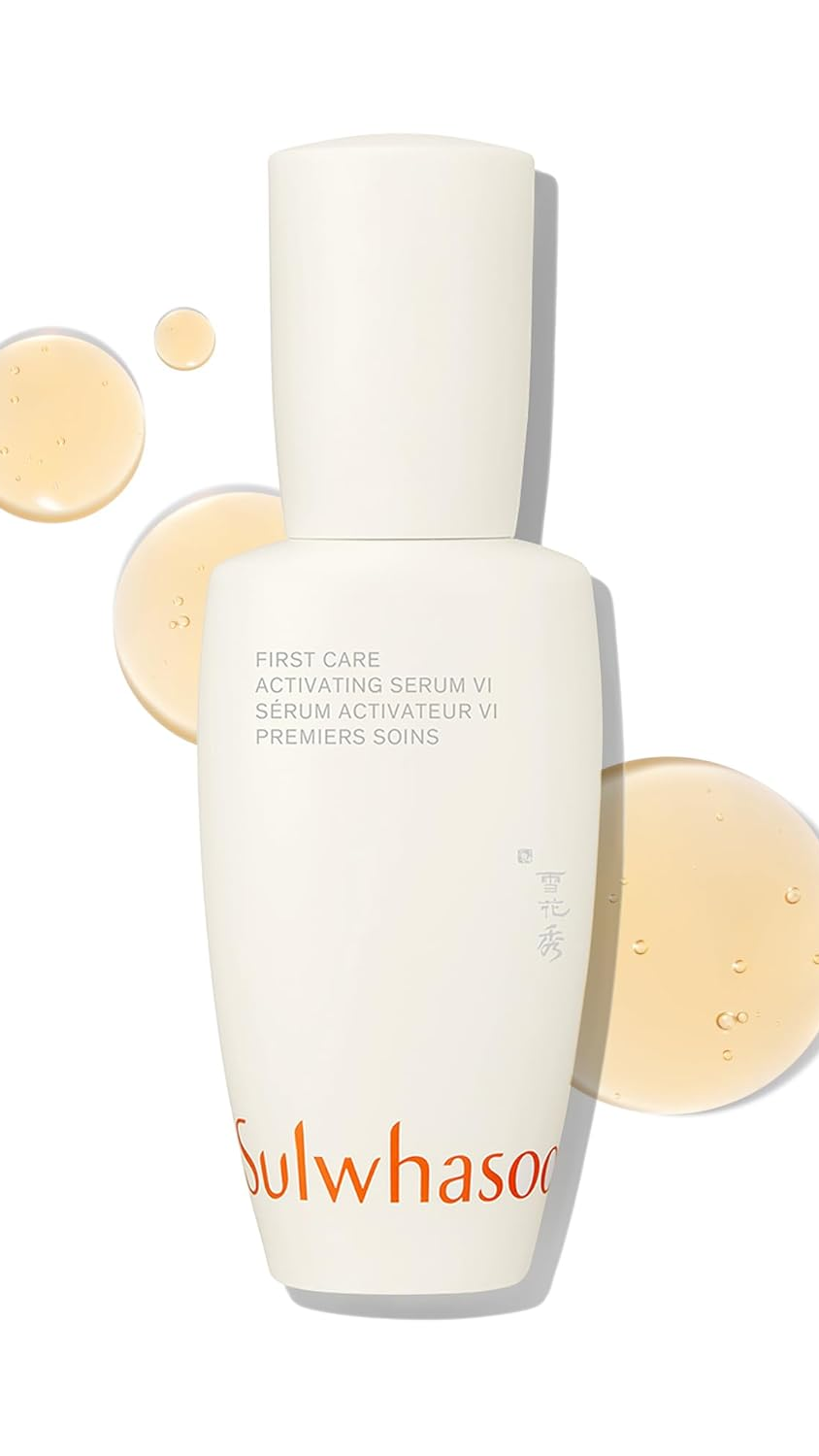
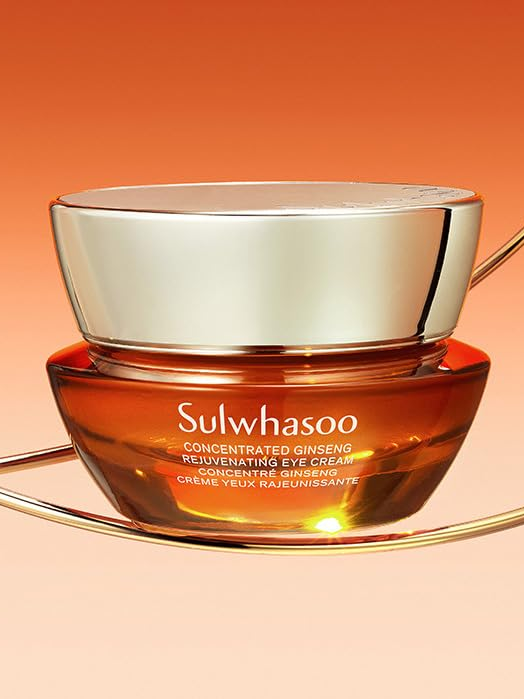
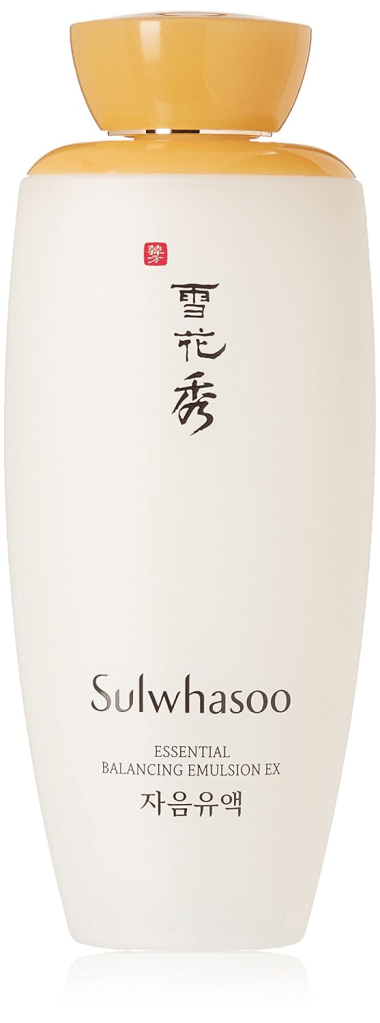
Where to find it on an INCI list: SACCHAROMYCES/RICE FERMENT FILTRATE, RICE FERMENT FILTRATE, or look for the specific mould designation. Beauty of Joseon Relief Sun and the Glow Serum line use rice ferment filtrate as a core active; Sulwhasoo’s Concentrated Ginseng Serum uses a fermented ginseng variant.
**Recommended products
Fermented Ginseng Extracts
Fermented black ginseng (Panax ginseng extract fermented with Saccharomyces cerevisiae) has a more targeted clinical profile than the broader fermented rice category. A study investigating fermented black ginseng on human fibroblasts found it significantly increased type I procollagen expression and inhibited MMP-1 activity — a dual action on collagen synthesis and collagen degradation. A clinical study of 23 subjects showed anti-wrinkle effects after 8 weeks, with the mechanism attributed to induction of collagen synthesis and inhibition of the enzyme responsible for collagen breakdown.
The fermentation step matters here for a specific reason: the ginsenosides in raw ginseng include compound K and other metabolites that are converted into more bioavailable forms through fermentation. The question of whether fermented ginseng outperforms non-fermented ginseng extract in equivalent formulations has not been definitively resolved in head-to-head comparisons available in the published literature, but the fermented form’s bioavailability advantage for specific ginsenoside conversion is mechanistically supported.
**Recommended products
The “Probiotic” Label Problem
This is where the EU regulatory context becomes directly relevant to anyone buying fermented skincare in Europe.
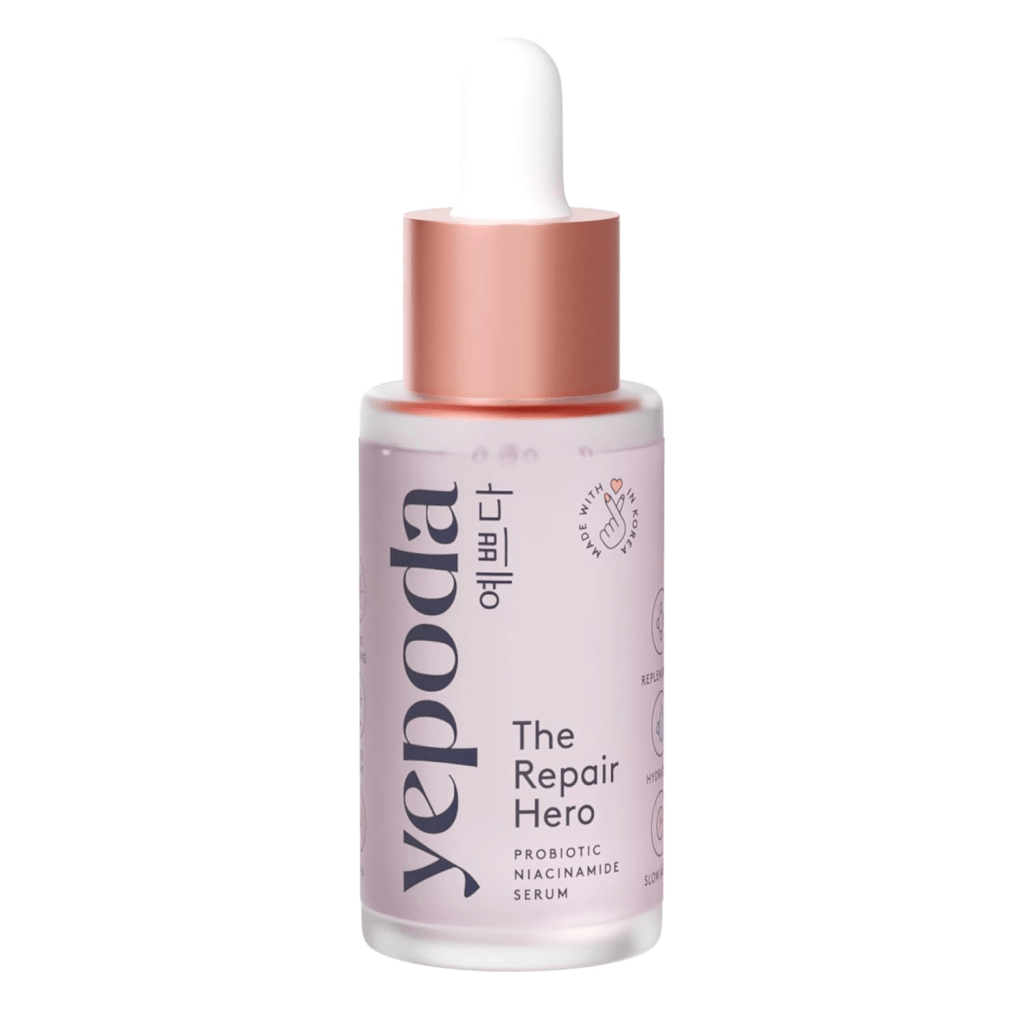
Most fermented skincare products — including those marketed with “probiotic” language — do not contain live microorganisms. The fermented material is filtered and processed in ways that remove or inactivate the microorganisms that produced it. What remains is the postbiotic: the metabolic by-products and transformed compounds produced during fermentation. The ingredient names on the INCI list reflect this: “ferment filtrate” and “ferment lysate” are postbiotic materials, not probiotics.
A review published in PMC on probiotics in cosmetic products confirmed that products listing filtrates or lysates contain no live microorganisms — and therefore “the product is not probiotic and the term should not have been used.”
The EU regulatory position on this is unambiguous. Under EU Cosmetics Regulation EC 1223/2009 and Commission Regulation EU 655/2013 on cosmetic claims, any claim made on a product must be justified and must not mislead the consumer. The term “probiotic” in the context of a product containing no live microorganisms is not compliant with EU 655/2013. This is a specific issue for European consumers because products marketed in Korea or the US, where this terminology is less regulated on cosmetic labels, may arrive in the EU with claims that would not be permissible on EU-manufactured products.
The practical consequence: when you see “probiotic” on a K-beauty product label, check the INCI. If you see “ferment filtrate” or “ferment lysate,” the product contains postbiotic material — which may be effective, as the GFF and rice ferment evidence suggests, but is not probiotic in the technical sense. The distinction matters for how the product’s mechanism of action should be understood.
EU Climate Context: Why Barrier-Supporting Ferments Are Particularly Relevant
The GFF mechanism — filaggrin upregulation via AhR activation — connects to a skin concern that is specifically elevated in European winter conditions. Indoor heating at 20–40% relative humidity represents a significant TEWL driver, and individuals with sub-optimal filaggrin expression (which affects a substantial proportion of northern European populations) experience this more acutely. A product containing a clinically documented concentration of GFF is not merely treating surface dryness; it is supporting the keratinocyte differentiation pathway that produces the barrier’s structural proteins.
This framing — barrier function support in low-humidity environments — is more accurate and more useful for a European consumer than the generic “fermented = traditional wisdom” narrative. The mechanism is the same whether the humidity is low in Seoul or in Berlin; the relevance for daily European winter use is direct.
For sensitive skin types or those with diagnosed atopic tendency, the GFF evidence on IL-33 downregulation — a pro-allergic cytokine involved in sensitisation pathways — adds a further dimension to the clinical rationale beyond surface hydration.
FAQ
Is fermented skincare suitable for sensitive skin?
GFF’s clinical evidence includes anti-inflammatory effects that are relevant for reactive skin — specifically the downregulation of IL-33, a pro-allergic cytokine. Rice ferment filtrate is generally well-tolerated. As with any active ingredient, individual reactivity varies; patch testing on a small area before full use is the appropriate first step.
Do fermented products go off faster than conventional skincare?
No. The fermentation process is completed before the ingredient is incorporated into the formulation, and the finished product contains no live microorganisms. Standard preservation systems apply. Fermented ingredients do not create additional stability challenges compared to non-fermented equivalents.
Can I layer multiple fermented products in the same routine?
There is no documented interaction risk from layering products containing different fermented ingredients. The practical consideration is that essence-stage fermented products are typically applied before heavier hydrating layers — standard layering logic applies.
How do I verify whether a product with “probiotic” on the label actually contains live bacteria?
Check the INCI list. “Ferment filtrate,” “ferment lysate,” and any ingredient name containing “ferment” are postbiotic materials — no live bacteria present. Genuinely probiotic cosmetics (containing live organisms) require specific storage conditions and will typically specify this on packaging.
Ingredient mechanism references: Takei et al. (2015), Clinical and Experimental Dermatology (GFF/filaggrin/AhR); Tsuji et al. (2022), Journal of Clinical Medicine (GFF/NRF2/inflammaging); Miyamoto et al. (2021), Journal of Clinical Medicine (GFF clinical trials); MDPI Cosmetics (2025) (rice ferment/HA synthesis). EU regulatory context: EC 1223/2009; Commission Regulation EU 655/2013 on cosmetic claims; ICCR Joint Working Group report on Microbiome and Cosmetics. INCI verification: CosIng EU Ingredient Database; INCI Decoder.
Related posts

 JJJOZ BLOG
Leave a comment