
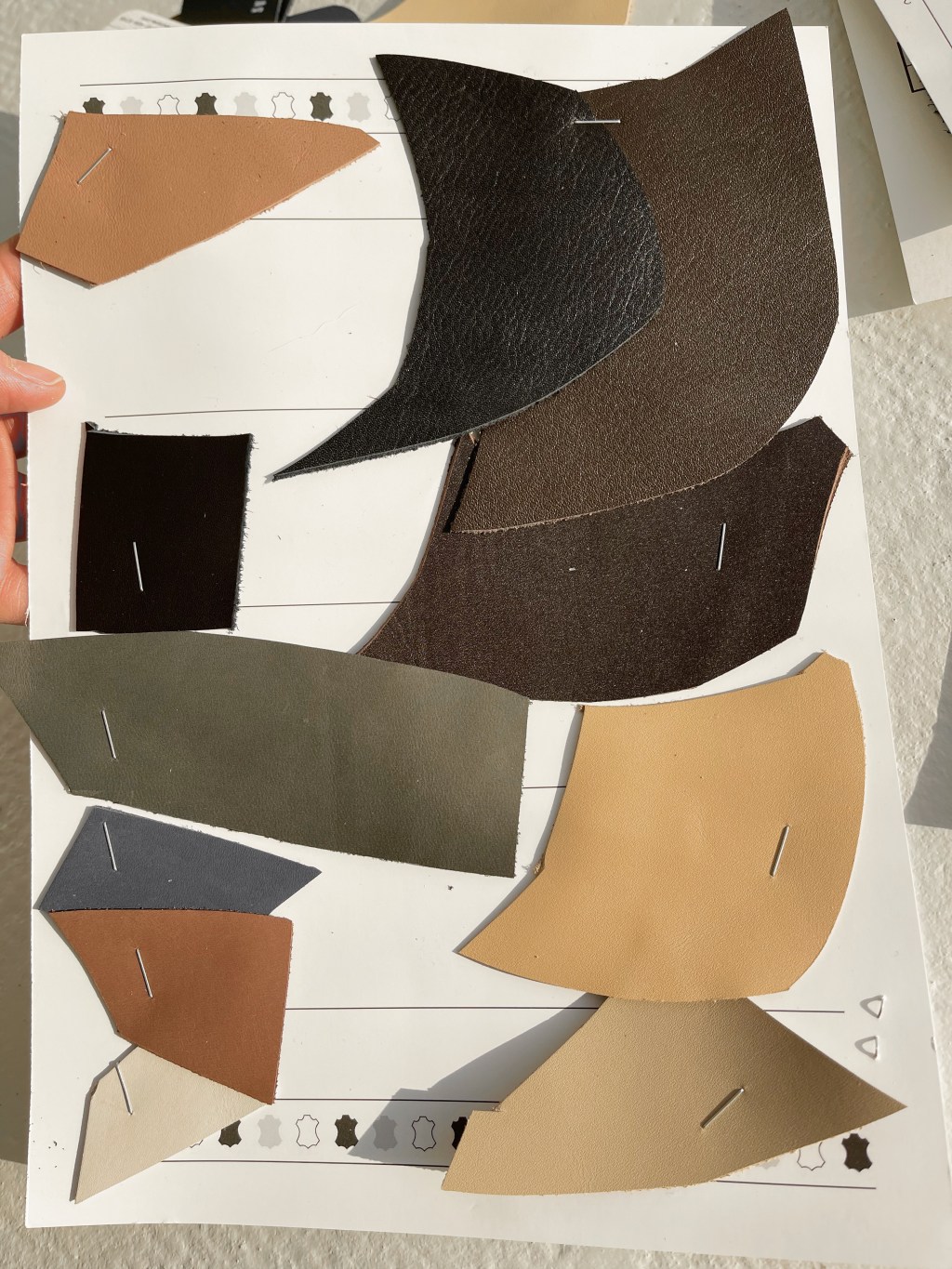
The material infrastructure of a fashion city is usually invisible to outsiders. You see the finished collections, the retail environments, the brand identities — but the sourcing networks, the wholesale markets, the sample rooms and specialist suppliers that make the design output possible remain in the background. Seoul is unusual in that its material markets are physically accessible, geographically concentrated, and — if you know what each district does — genuinely informative about how Korean fashion design actually works at a production level.
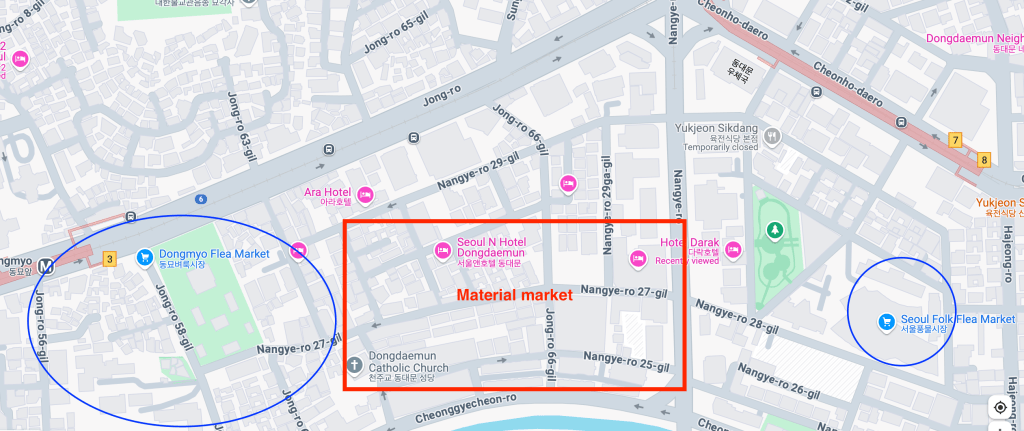
Three districts cover most of the relevant territory: Dongdaemun for volume and variety, Sinseol-dong for specialist accessories materials, and Seongsu-dong for leather and the newer generation of boutique material suppliers. They are not interchangeable. Each reflects a different segment of the production ecosystem, and understanding the distinction makes a visit to any of them considerably more useful.
Dongdaemun: Scale as the Point
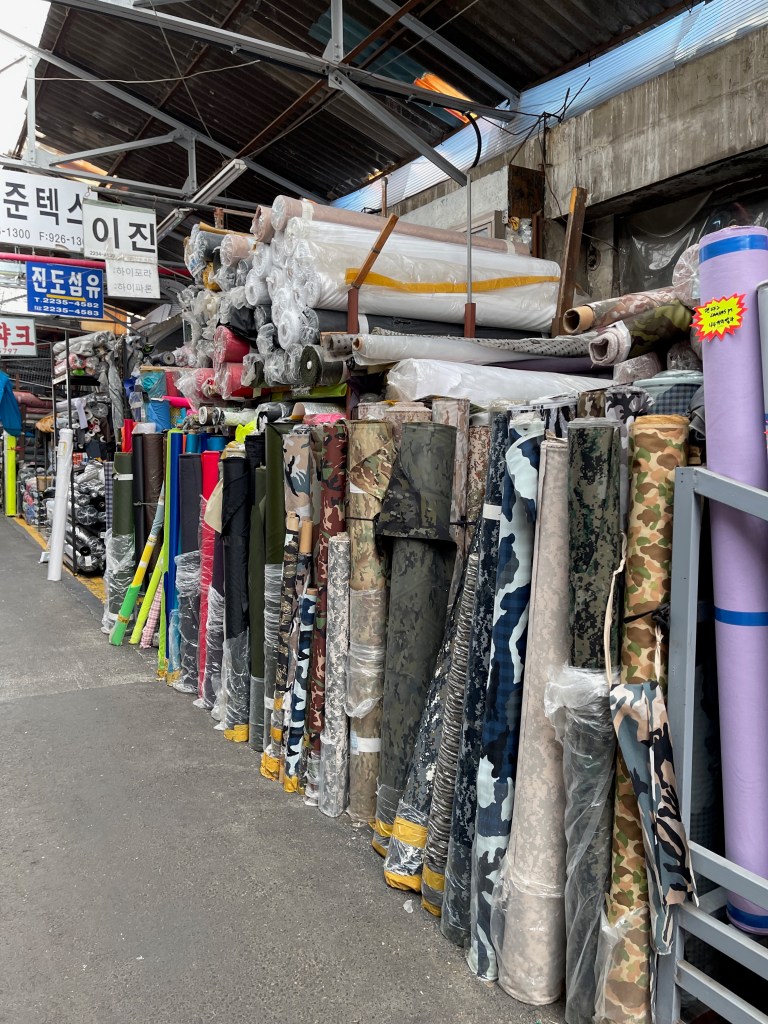
Dongdaemun’s material market is built around a simple logic: if you need something, it exists here, and you can have it today. The district operates on compressed timescales — same-day sourcing for urgent production, overnight manufacturing for street-market vendors who need stock by morning — and the material market reflects this. The main buildings (평화시장 and the surrounding complex on Cheonggyecheon-daero) contain hundreds of individual vendors covering the full range of construction materials: base fabrics from cotton and polyester through technical textiles, lining materials, interfacings, trims, notions, embellishments, elastic, hardware.
The vendors in the main building tend toward standard commercial materials: the kind of stock that supplies mid-market production reliably. The more interesting sourcing happens in the smaller alleyways and older market sections adjacent to the main complex, where specialist vendors have operated for decades and where the inventory is less predictable. These suppliers often hold end-of-roll stock from mills, discontinued colourways, or materials with specific technical properties that don’t fit the mainstream assortment. Finding them requires time and return visits rather than a single systematic tour.
For a European designer or researcher visiting for the first time, the most useful approach to Dongdaemun is not to arrive with a shopping list but to spend time understanding the organisation of the market — which buildings specialise in which material categories, where the trim and notion vendors concentrate, how the pricing tiers work between wholesale and retail quantities. That knowledge makes subsequent visits substantially more efficient. Morning visits before 11am give the best vendor availability and the most straightforward access; later in the day the market becomes increasingly crowded as the afternoon buying rush begins.
Cash remains the practical choice for smaller purchases and negotiation on quantity pricing, though larger transactions with established vendor relationships are increasingly handled by bank transfer. Having physical fabric samples or precise technical specifications — gsm, weave structure, fibre content — is more useful than describing what you want in general terms.


Sinseol-dong: Accessories Materials and the Specialist Case
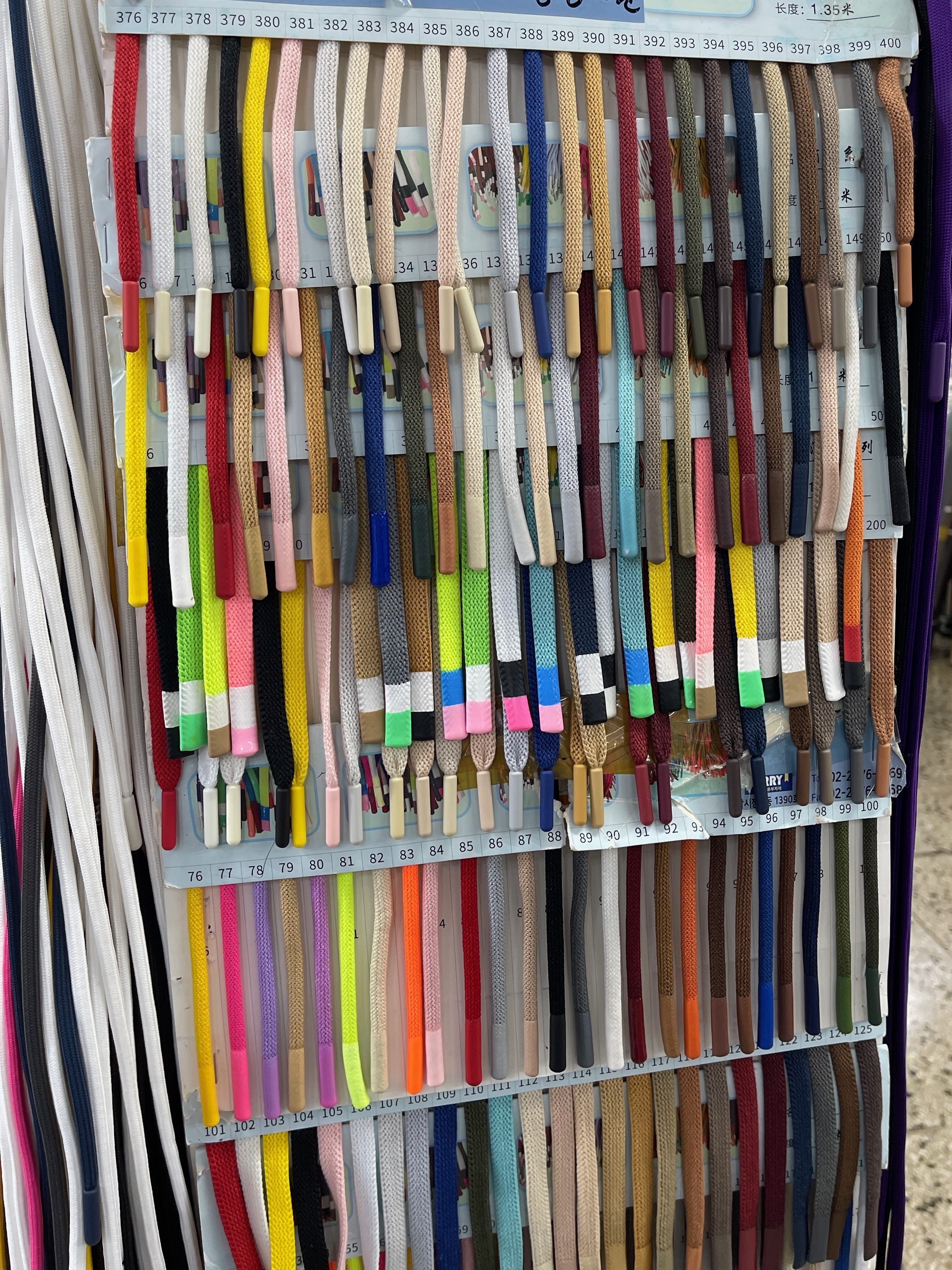
Sinseol-dong market (신설동 시장), a ten-minute walk from Dongdaemun, operates at a different scale and with a different specialisation. The market concentrates on accessories construction materials: heavy canvas, coated fabrics, nylon webbing, hardware fittings, specialty weavings and braids, cordage and strapping materials. If Dongdaemun is where garment fabric is sourced, Sinseol-dong is where bags, belts, and footwear components come from.
The market has the physical character of an older traditional market — compressed space, vendors with long-established relationships to their specific niches, less visual organisation than the purpose-built Dongdaemun buildings. Some of the most useful suppliers for accessories work are not immediately visible from the main walkways. Spending time in the secondary areas of the market, including the sections that extend behind the primary vendor rows, tends to surface suppliers that aren’t accessible on a fast visit.
Sinseol-dong’s proximity to Dongmyo (동묘) market is relevant for researchers rather than production sourcing: Dongmyo is Seoul’s primary vintage market, with a concentration of secondhand clothing, accessories, and household goods that reflects what has been in circulation in Korean material culture over the past several decades. The material vocabulary you encounter in Dongmyo — the hardware styles, the textile constructions, the colour approaches from different periods — is a useful background reference for anyone trying to understand Korean design history through objects rather than texts.

Seongsu-dong: Leather and the Boutique Supplier Model
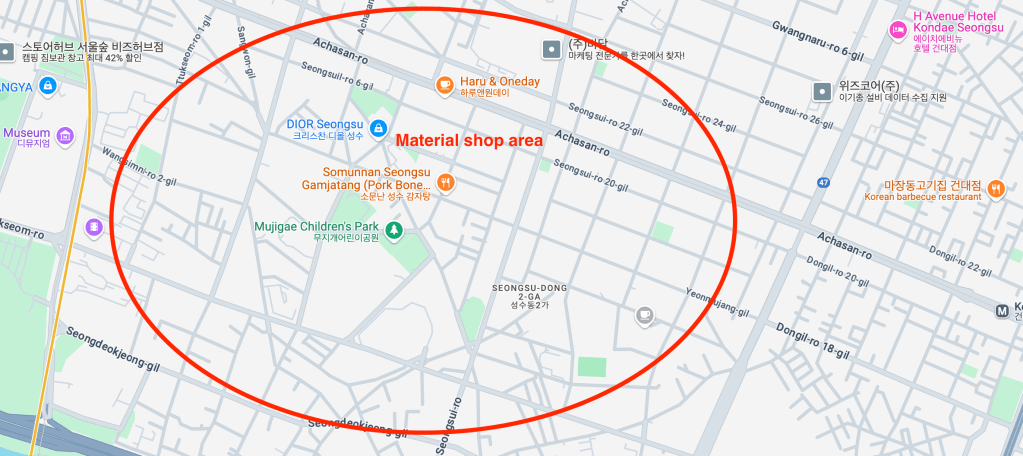
Seongsu-dong’s identity as a material district comes from its history as Seoul’s leather working centre. Tanneries, shoe factories, bag manufacturers, and the specialist suppliers serving them were concentrated here from the mid-twentieth century through the 1990s. That industrial base has significantly contracted — many of the original factories have closed or relocated — but the knowledge infrastructure they built has partially transferred to a newer generation of suppliers and designers who have moved into the neighbourhood.
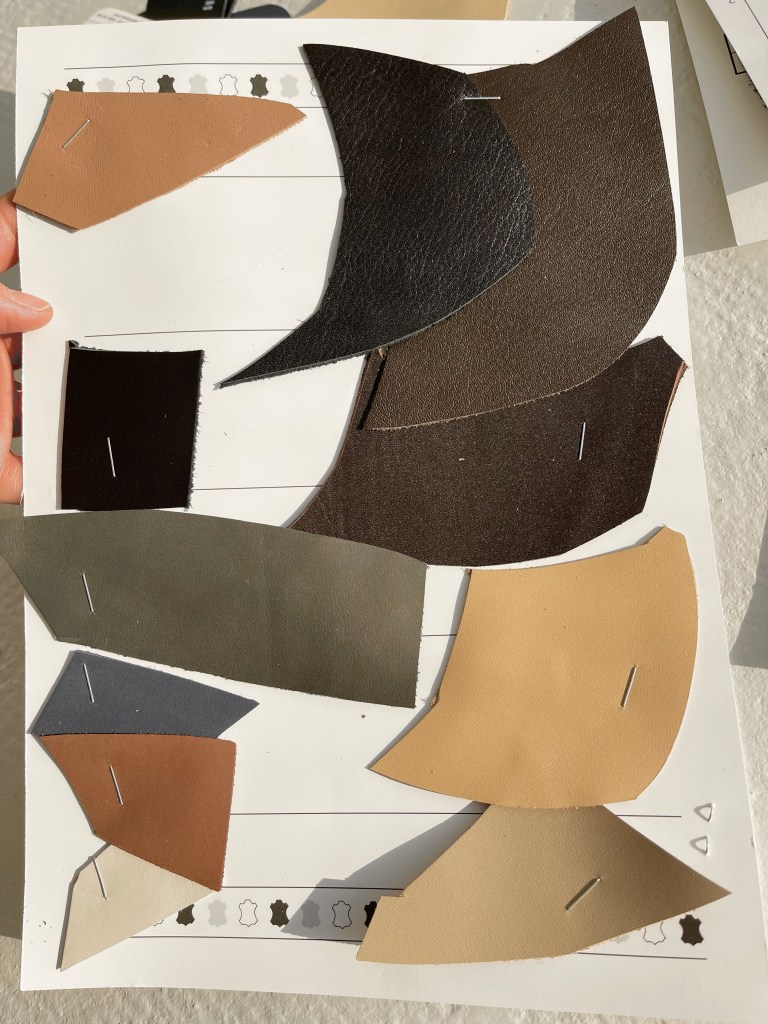
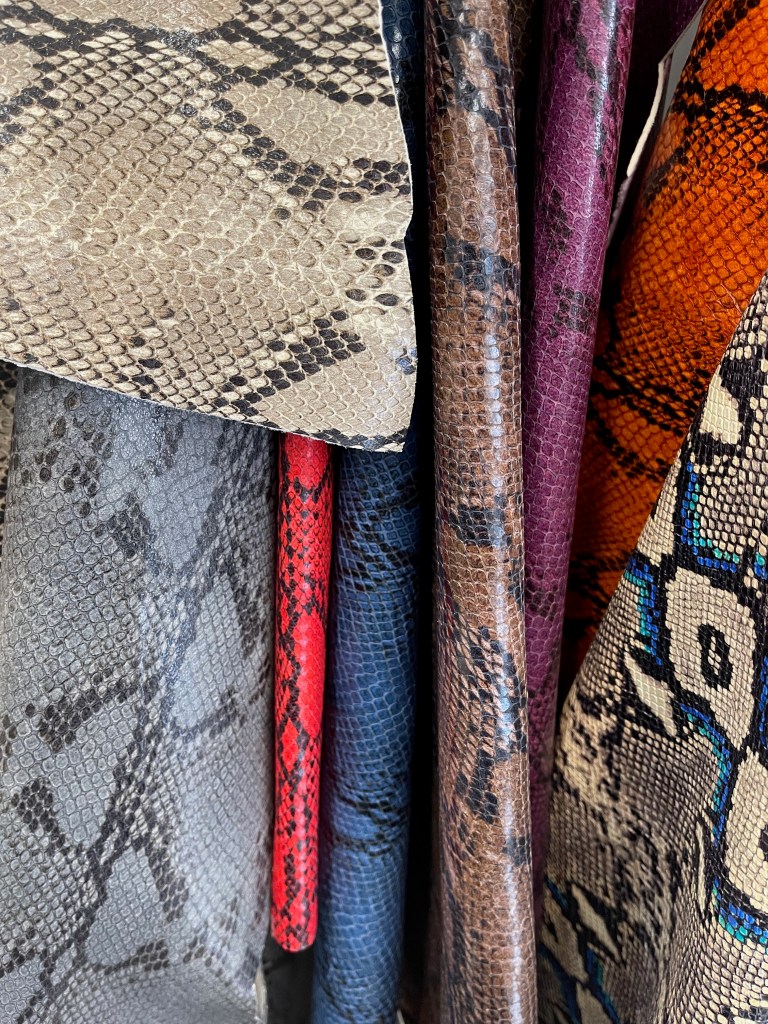
The leather available in Seongsu-dong covers a broader geographic range than the Korean-manufactured leather that originally defined the district. Suppliers now stock material from Italian tanneries (primarily from the Tuscany region), Spanish producers, and Korean manufacturers alongside each other, with price and quality variation that requires some knowledge to navigate. The surface finishes, temper, and thickness available reflect both the global leather trade’s current vocabulary and the specific Korean market’s preferences — which differ in some respects from European market standards, particularly in finish and colour saturation.
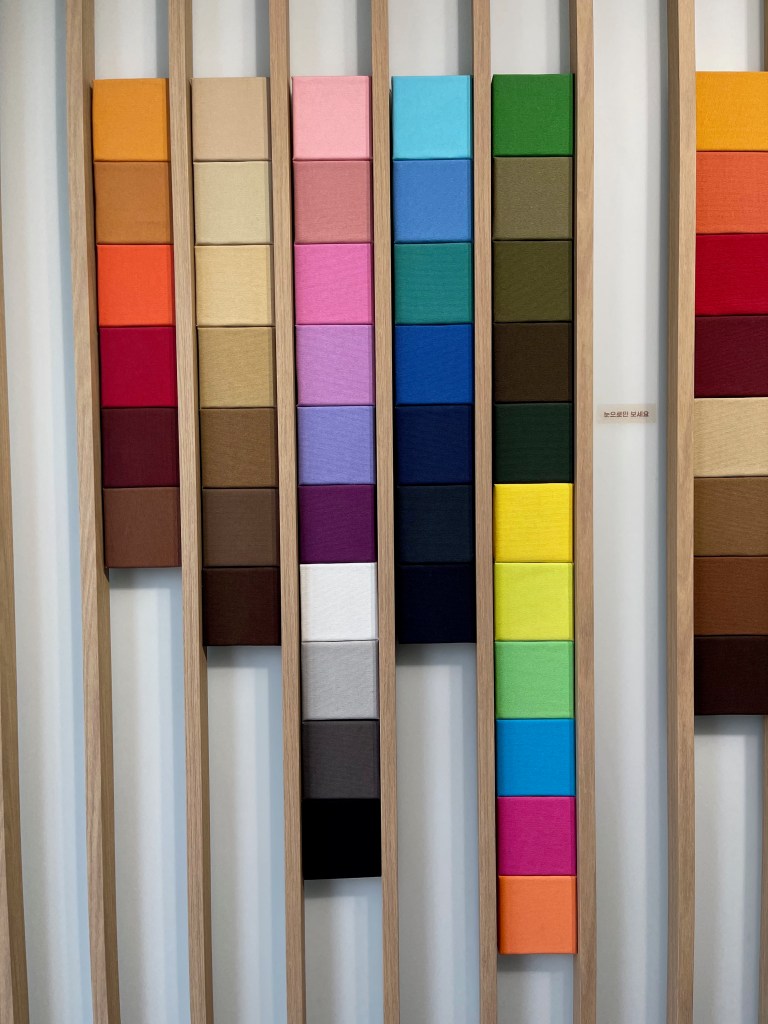
What distinguishes Seongsu-dong from Dongdaemun for a design researcher is the scale and curatorial logic of individual suppliers. Rather than the dense vendor concentration of the wholesale market, Seongsu-dong contains boutique material shops — including dedicated concept stores like Material Library (소재도서관) — that select and present materials with a design perspective rather than simply stocking by demand. These shops are slower to navigate but more informative about what is currently considered interesting in Seoul’s design community, and they are more likely to carry materials with unusual properties or provenance that don’t appear in mainstream wholesale contexts.
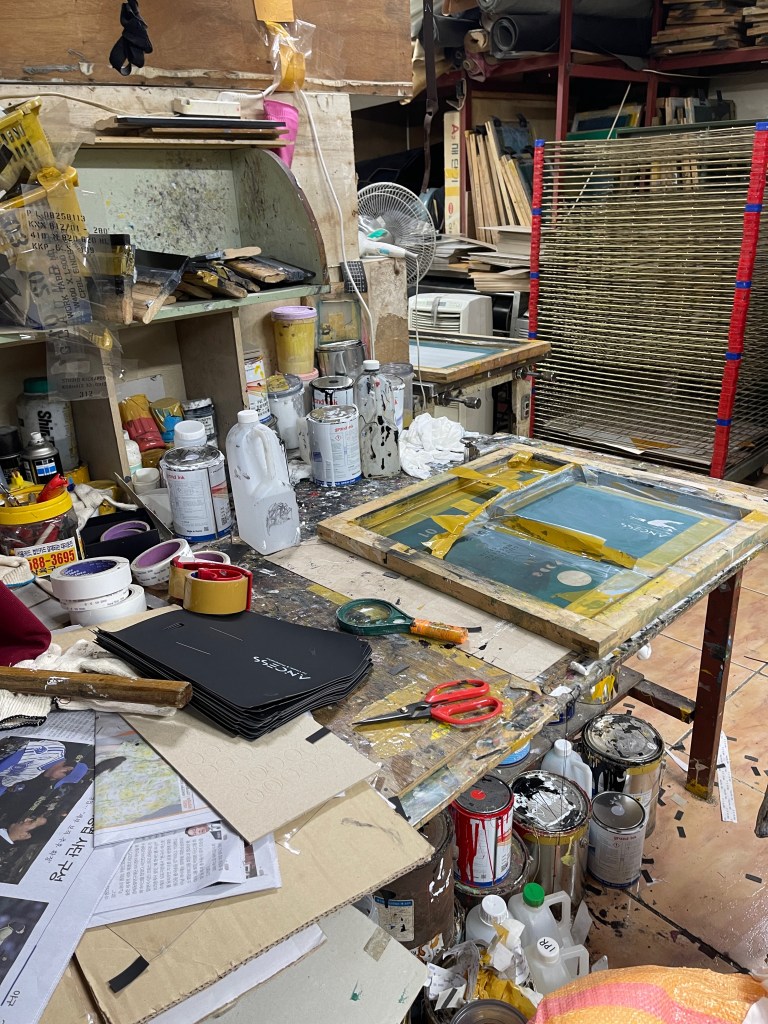
The district also contains working ateliers and small-batch manufacturers who are simultaneously producers and buyers — which means that conversations with suppliers in Seongsu-dong can include information about production constraints, typical order quantities, and what the material is actually being used for by the designers currently sourcing it. That context is harder to access in the more transactional environment of Dongdaemun.
Using the Three Districts Together
The three districts complement each other rather than overlap. A practical approach for a designer or researcher spending several days in Seoul on material research would separate them by purpose: Dongdaemun for surveying the commercial material landscape and understanding what is available at scale; Sinseol-dong for accessories-specific sourcing and the adjacent secondhand material reference of Dongmyo; Seongsu-dong for understanding the current design conversation around materials and for leather sourcing with a quality focus.
Each district operates on different rhythms. Dongdaemun’s wholesale activity peaks in early morning and again in late afternoon. Sinseol-dong follows more standard market hours. Seongsu-dong’s boutique shops are typically closed on Monday and operate standard retail hours through the week, with some extending into evening for the neighbourhood’s increasingly active dining and cultural scene.
The cumulative picture across all three is a material economy that supports both high-volume production and highly specific design research — which is a reasonable description of Seoul’s fashion industry overall. The infrastructure exists because the demand exists, and the demand reflects a design culture that takes material specificity seriously at multiple price and volume points simultaneously.
Sources: Seoul Design Foundation district documentation; Korea Fashion Industry Association market research; direct observation and sourcing visits, 2023–2025. Map references: Dongdaemun material market complex (평화시장 district, Cheonggyecheon-daero), Sinseol-dong market (신설동역 adjacent), Seongsu-dong leather district (성수동 2가).

 JJJOZ BLOG
Leave a comment