
If you’ve recently watched Netflix’s animated film KPop Demon Hunters, you may have noticed something unexpectedly traditional in the middle of all the pop-star styling: the gat (갓)—the classic black, wide-brimmed Korean hat—appearing as part of the Saja Boys’ look. The film’s popularity helped push “gat” back into global conversation, showing up in themed merchandise and even inspiring real-world “I need that hat” searches from fans.
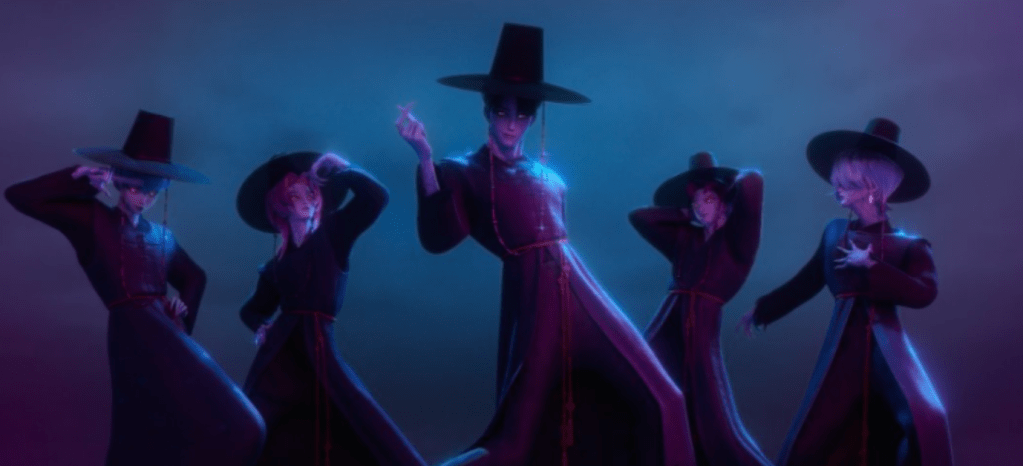
If you’ve ever watched a Korean historical drama and paused to admire that impossibly light, glossy black hat with a wide brim—congratulations, you’ve met the gat (갓). It’s one of Korea’s most iconic accessories: quiet, refined, and technically mind-blowing once you learn how it’s made.
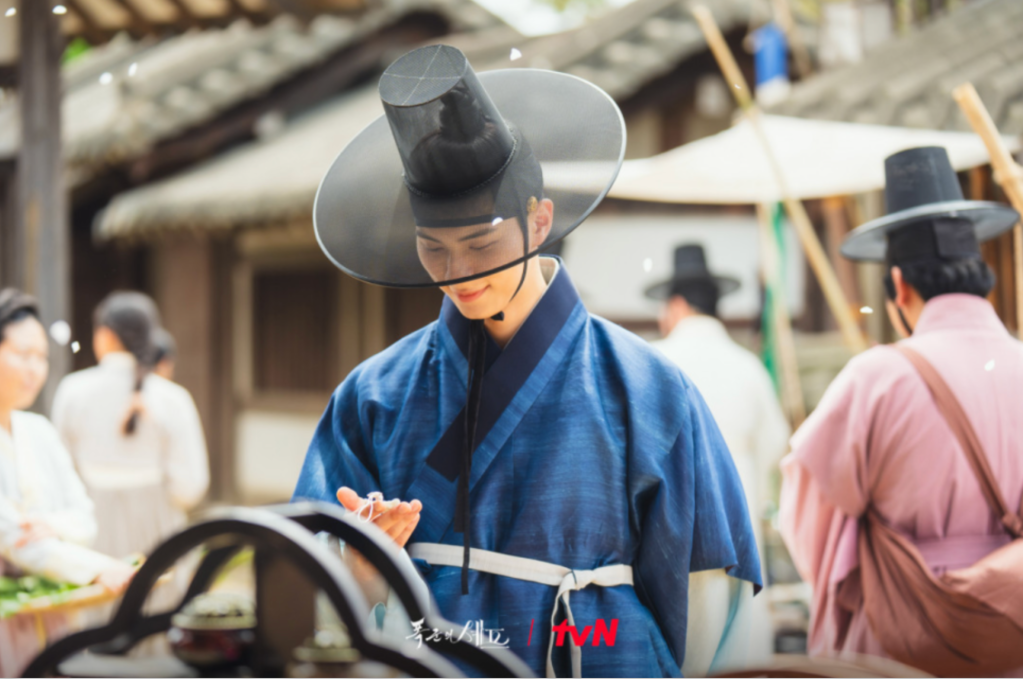
In this post, I’ll walk you through what a gat is, why it mattered so much in Joseon society, and how traditional artisans still create it today using horsehair, bamboo, silk, and lacquer.
What is a gat?
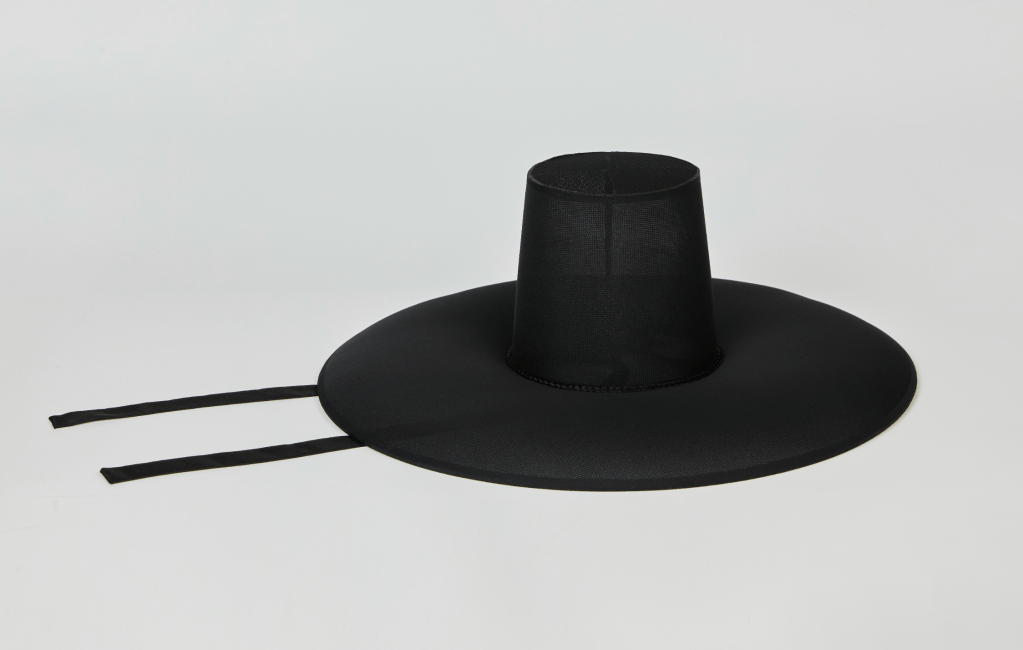
A gat is a traditional Korean men’s hat most strongly associated with the Joseon period. Its signature look is a cylindrical crown paired with a wide brim, often finished in a deep, translucent black.
Historically, the gat wasn’t “just a hat.” It was part of a complete appearance—worn with traditional clothing and tied under the chin—designed to look dignified, composed, and socially appropriate.
The two key parts: crown and brim
Korean sources often describe the gat as built from two main elements:
- Daewu (대우): the upright crown
- Yangtae (양태): the brim that shades the face
Why horsehair? The material that makes the hat “float”
One of the most fascinating things about the gat is its material logic. A good gat is light but structured, delicate but resilient—and it’s partly transparent, which is a big part of its elegance.
Museum documentation confirms traditional gats were made using horsehair and bamboo, with silk involved in finishing, and then lacquered (often to achieve that signature black).
It’s not one artisan’s job—it’s a whole system of skill
Making a gat is a multi-stage craft that combines specialized steps (often described as separate processes for shaping the crown, weaving the brim, and assembling/finishing the hat). A Korean cultural webzine explains the process as distinct stages—then refined, shaped, and lacquered into the final form—and notes the craft tradition is protected as a national intangible heritage technique.
The gat as a “social language” of Joseon Korea
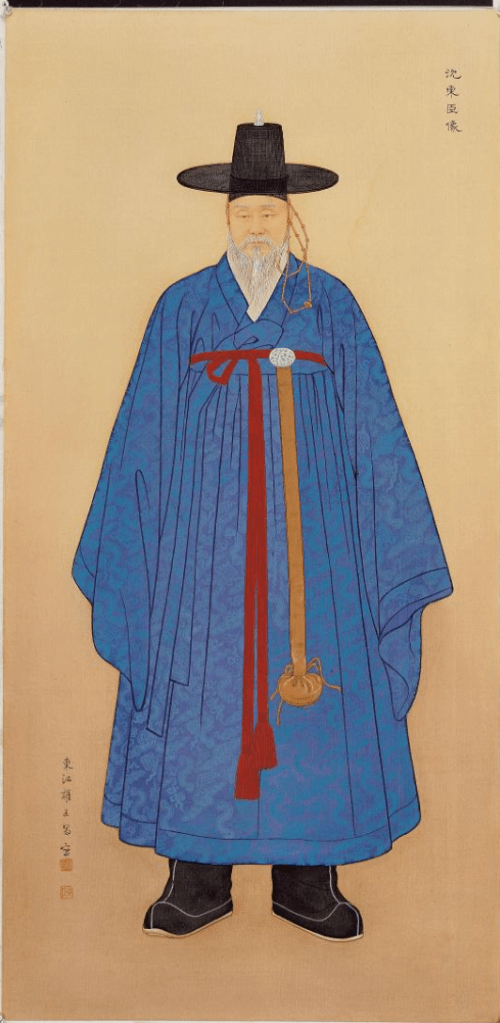
In Joseon society, clothing and accessories functioned like visual etiquette. The hat you wore could signal your role, your situation, and your “place” within a strict social structure.
A well-known cultural series from Korea.net describes the gat as part of a broader world of Korean headgear, emphasizing both craftsmanship and the variety of hats used historically.
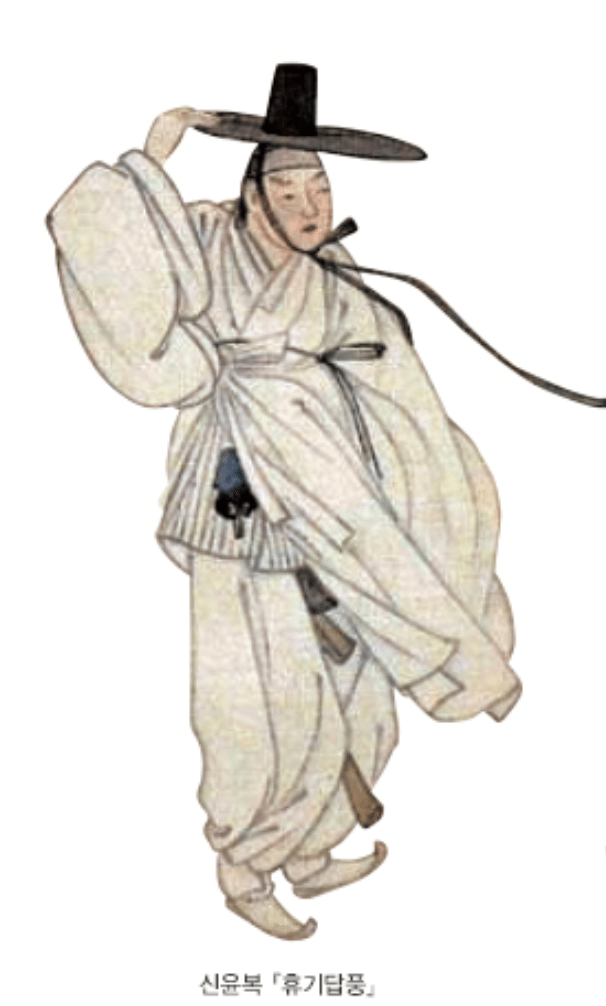
Not everyone wore the exact same gat
While the classic image is a black horsehair gat, historical Korean headgear included multiple types and materials depending on occupation and occasion. Even modern educational clips remind us that Joseon people wore different hats based on gender, status, office, event, and even weather—a detail that surprises non-Koreans precisely because it’s so systematized.
Inside the craft: how a gat is made (and why it’s so hard)
When you watch an artisan at work, it becomes obvious: the gat is built on precision, not speed. The making process involves:
- Preparing and slicing bamboo for the frame
- Weaving and aligning horsehair into a consistent surface
- Shaping the crown and brim so they’re balanced and symmetrical
- Refining the silhouette, then finishing with silk elements and lacquer for durability and color
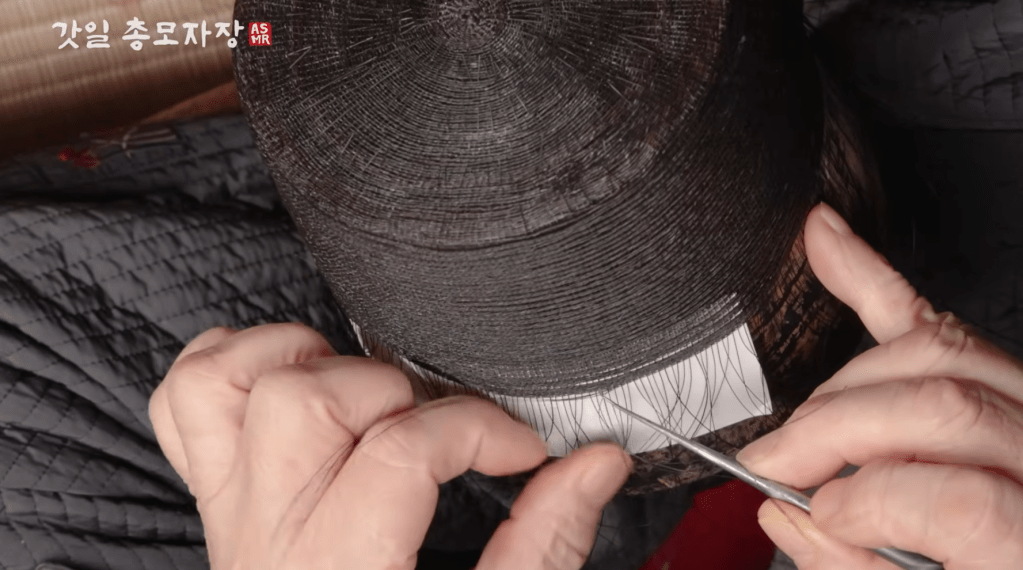
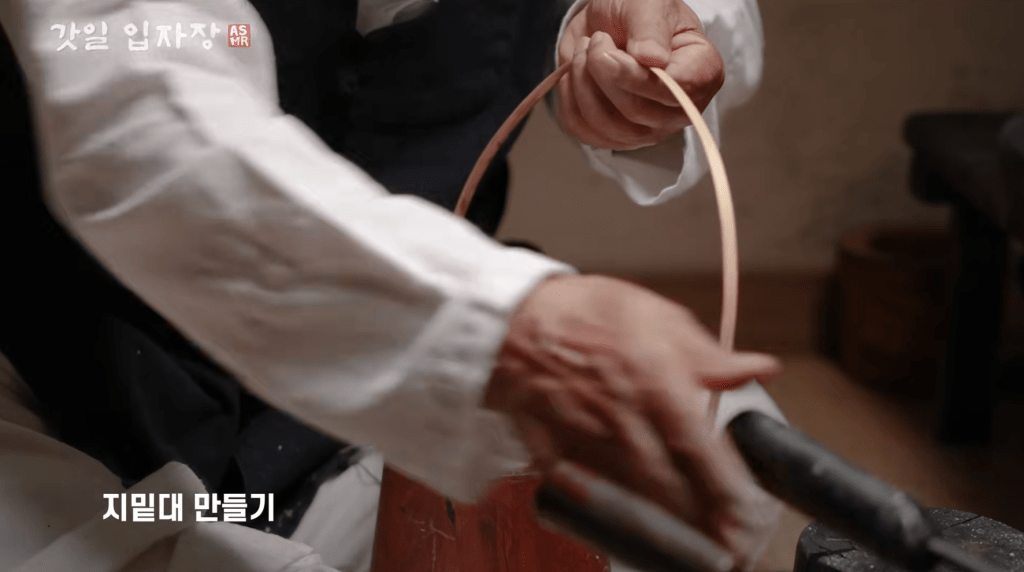
Traditional heritage references describe the formal Joseon-era heuklip (흑립) as a carefully woven structure made from horsehair over a bamboo frame, then refined with silk finishing and a black lacquer coat. The result is the gat’s signature silhouette: a raised crown paired with a wide brim that both completes the look and gently shades the face.
A tiny cultural detail: an idiom hidden inside the hat
Shaping the brim’s curve with heated tooling was called “mo japgi (모 잡기)”, and it connects that idea to a modern Korean expression meaning “to pick on someone’s trivial flaw” (꼬투리 잡다).
The modern comeback: why everyone is suddenly talking about gat
For many people outside Korea, the gat first appeared through K-dramas and global Korean content—and recently it has also turned into a “K-goods” obsession, showing up in merchandise and cultural branding. A contemporary entertainment clip even jokes about the gat becoming a hot fashion item and selling well as a cultural product.
At the same time, heritage institutions continue to highlight the craft’s value and the need for skilled makers—because a gat can’t be mass-produced without losing what makes it special: the balance of curve, transparency, and structure.
Where to see (and learn) more about the gat
If you want reliable, museum- and heritage-backed references (beyond dramas and social media), these are strong starting points:
- Museum collection entries that document materials and construction (like the British Museum object record).
- Korea.net culture features explaining headgear types and how gats are made.
- Heritage and cultural foundation stories focused on real artisans and the craft’s survival through modern industrialization.
FAQ
– Is a gat always made of horsehair?
Not always. “Gat” can refer broadly to traditional hats, but the iconic Joseon-style gat is widely documented as using horsehair and bamboo, with silk and lacquer used in finishing.
– Why is the black color so important?
The black finish is part of the gat’s formal, refined aesthetic and is often achieved through lacquered finishing processes described in museum documentation.
– What makes a “good” gat visually?
Look for:
- clean symmetry between crown and brim
- a smooth, confident brim curve
- the subtle transparency that looks airy rather than opaque
These are exactly the qualities that require advanced craft control—especially in shaping and finishing.
Final thoughts: a hat that carries an entire worldview
The gat is one of those objects that becomes more impressive the longer you look at it. It’s minimal, but not simple. It’s traditional, but still feels modern because it relies on geometry, restraint, and material intelligence.
And maybe that’s the biggest takeaway: the gat isn’t famous because it’s “exotic.” It’s famous because it’s good design—made with hands, time, and a cultural philosophy that believed appearance could express integrity.
 JJJOZ BLOG
Leave a comment