
The pendulum of fashion has swung again, bringing back the deliberately disheveled aesthetic of the early 2000s indie scene—but with a distinctly Korean reinterpretation. Indie sleaze, with its chaotic layering, vintage camera flash photography, and unapologetic attitude, has found new life on the streets of Seoul, merging nostalgic references with contemporary Korean fashion sensibilities.


Defining Indie Sleaze in the Korean Context
For those who missed its first incarnation, indie sleaze emerged in the early 2000s as a reaction against polished mainstream fashion. Characterized by mismatched vintage finds, smudged makeup, and a certain calculated carelessness, it was the uniform of underground music venues and artistic communities.
The Korean revival maintains these core elements while adding unique cultural touches. “Korean indie sleaze isn’t just about copying what Western scenes did twenty years ago,” explains fashion historian Kim Min-ji. “It’s about capturing that rebellious energy but filtering it through our own cultural references and contemporary context.”
What makes the Korean interpretation distinctive is its precision—even the most “messy” outfits show thoughtful curation and attention to proportion that reflects Korea’s sophisticated fashion sensibility.
From Hongdae to the Mainstream
The trend emerged first in Seoul’s Hongdae district, long known as the epicenter of Korean indie culture and home to underground music venues and vintage shops. Street style photographers began noticing the shift in 2023, with increasing numbers of young people embracing thrifted leather jackets,layered band tees, and the distinctively grungy aesthetic associated with indie sleaze.
By 2024, elements of the trend had permeated beyond subcultural spaces into mainstream areas like Myeongdong and Gangnam, albeit in more polished interpretations. This crossover appeal demonstrates how Korean fashion culture excels at adapting subcultural styles for broader audiences without completely diluting their original spirit.
Key Elements of Korean Indie Sleaze
The most distinctive aspects of Korean-interpreted indie sleaze include:
Strategic layering – Multiple contrasting pieces combined with an appearance of casualness that actually requires considerable styling skill.
Vintage and secondhand focus – Preloved clothing is central to authentic indie sleaze, with Korean vintage shops reporting increased demand for specific 2000s pieces.
Analog photography aesthetic – The deliberately imperfect look of flash photography has become integral to how the trend is documented and shared.
Smudged, lived-in makeup – A direct challenge to K-beauty’s typically pristine approach, indie sleaze embraces yesterday’s eyeliner and imperfect lip color.
Unexpected accessorizing – Statement pieces like chunky boots juxtaposed with delicate vintage elements create the characteristic tension in the aesthetic.
The Digital Paradox
Perhaps the most interesting aspect of indie sleaze’s revival is its relationship with digital culture. Despite celebrating an era that predated social media dominance, the trend thrives on platforms like Instagram and TikTok. Korean content creators have developed specific editing techniques to recreate the gritty, flash-heavy photography style of the original indie sleaze era.
This digital-analog tension reflects broader currents in Korean youth culture—a generation that has never known life without the internet yet feels nostalgia for analog experiences they never personally encountered.
Music Scene Connections
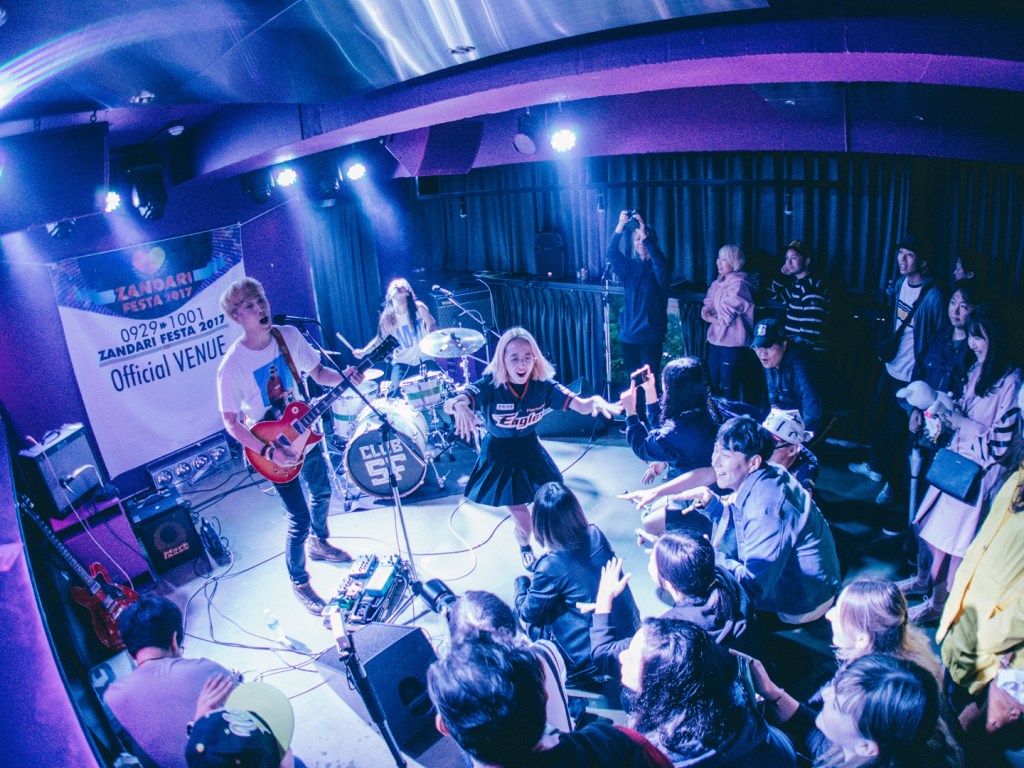
Just as the original indie sleaze was inseparable from music culture, the Korean revival connects strongly with the country’s thriving independent music scene. Bands performing at venues like Club SHARP and Strange Fruit have become unofficial ambassadors for the aesthetic, their personal style influencing fans and feeding back into the evolving trend.
The annual Zandari Festa, Korea’s largest showcase festival for independent music, has become a notable gathering place for indie sleaze style, with attendees embracing the aesthetic as both fashion statement and cultural positioning.
Styling Indie Sleaze with Korean Flair
For those interested in incorporating elements of Korean indie sleaze into their wardrobe:
Start with secondhand – Authentic indie sleaze relies heavily on preloved pieces with character and history.
Master the art of layering – Korean stylists suggest starting with a basic foundation and adding contrasting layers that can be adjusted throughout the day.
Embrace imperfection – The perfectly curated feed aesthetic is the opposite of indie sleaze—embrace a more casual, spontaneous approach to styling.
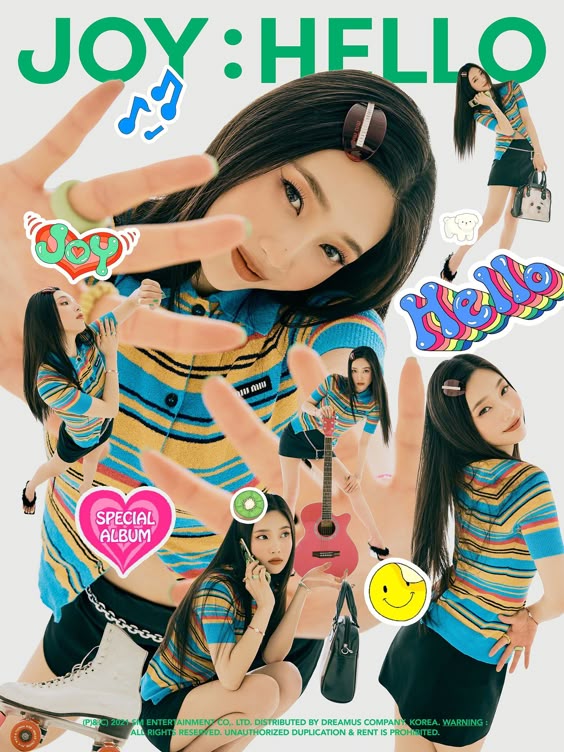
Mix high and low – Korean interpretations often juxtapose luxury items with thrifted finds for tension and interest.
Consider proportions – Even at its most chaotic, Korean indie sleaze maintains awareness of silhouette and proportion.
Cultural Commentary
Beyond its visual appeal, the rise of indie sleaze in Korea represents a fascinating cultural statement. Ina society often characterized by high pressure for perfection, the deliberately undone aesthetic offers a form of visual rebellion.
“Young Koreans face immense pressure to be perfect in every aspect of life,” notes cultural commentator Park Ji-soo. “Embracing an aesthetic that celebrates imperfection, even if just in fashion choices, can be genuinely liberating.”
The trend also reflects growing interest in sustainable fashion practices, with its emphasis on secondhand shopping and creative reuse of existing garments rather than constant consumption of new items.
Looking Forward: The Evolution of Indie Sleaze
As with all revived trends, Korean indie sleaze continues evolving rather than simply replicating its original form. Fashion forecasters suggest it will continue influencing mainstream Korean style throughout 2025, potentially merging with other nostalgic references to create entirely new aesthetic categories.
Whether you’re a longtime fan of indie fashion or simply curious about this nostalgic revival, Korean indie sleaze offers an interesting lens through which to observe how fashion trends circulate globally while adapting to local contexts and contemporary sensibilities.
 JJJOZ BLOG
Leave a comment