
Are you obsessed with Netflix’s latest Korean series, “When Life Gives You Tangerines”? The breathtaking scenery and compelling storytelling might have you hooked, but did you know there’s a rich cultural backdrop that makes this drama even more fascinating? Let’s dive into the hidden gems that elevate your viewing experience!
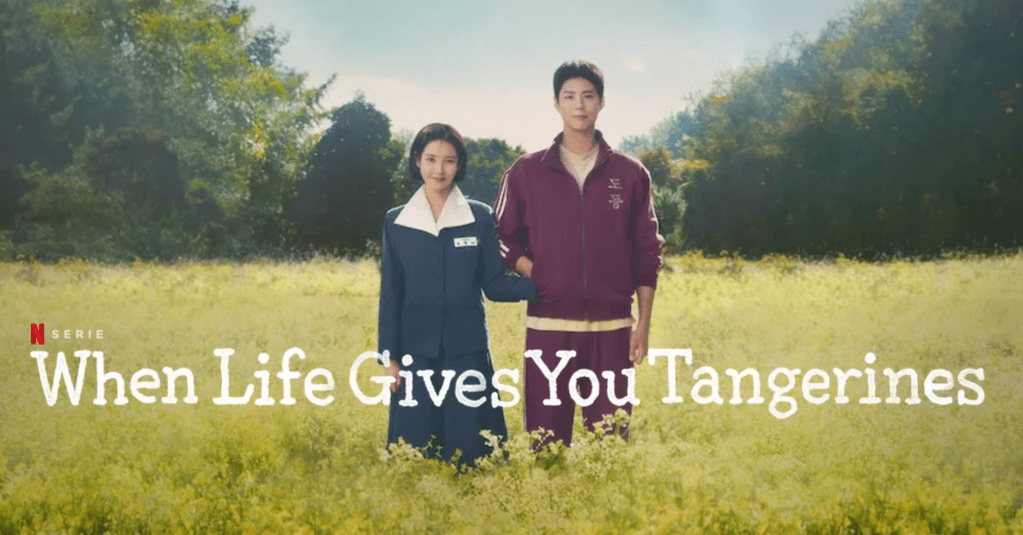
The Magical World of Jeju Island
Jeju isn’t just a pretty backdrop—it’s practically a character in the story! Unlike mainland Korea, this island paradise fostered a unique cultural identity that shines throughout the series. The community portrayed in the drama reflects the real-life tight-knit society where neighbors truly supported each other through life’s challenges.
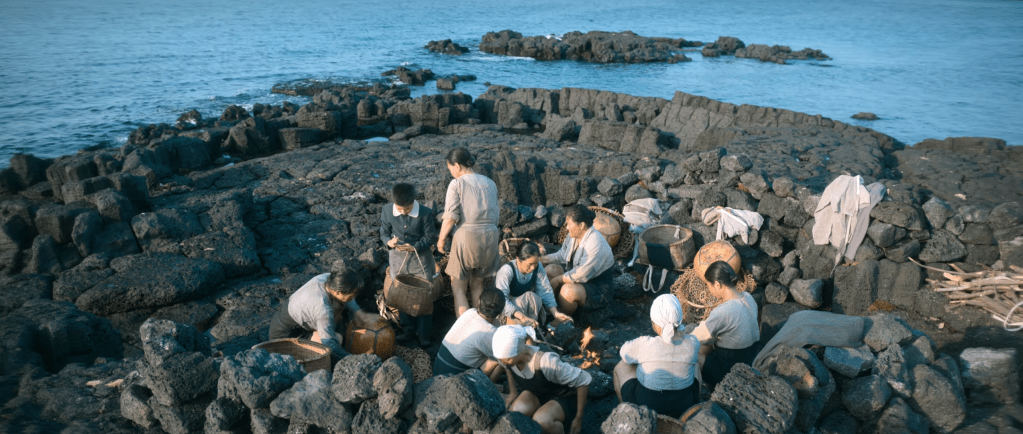
One of the most captivating elements is the portrayal of haenyeo—Jeju’s legendary female divers who harvest seafood without modern equipment. These incredible women represent a matriarchal aspect of Korean society rarely seen elsewhere. When you watch Aesun’s mother and her friend Gyeonja learning this ancient profession after fleeing the Korean War, you’re witnessing a historically accurate depiction of how women found independence and strength during chaotic times.
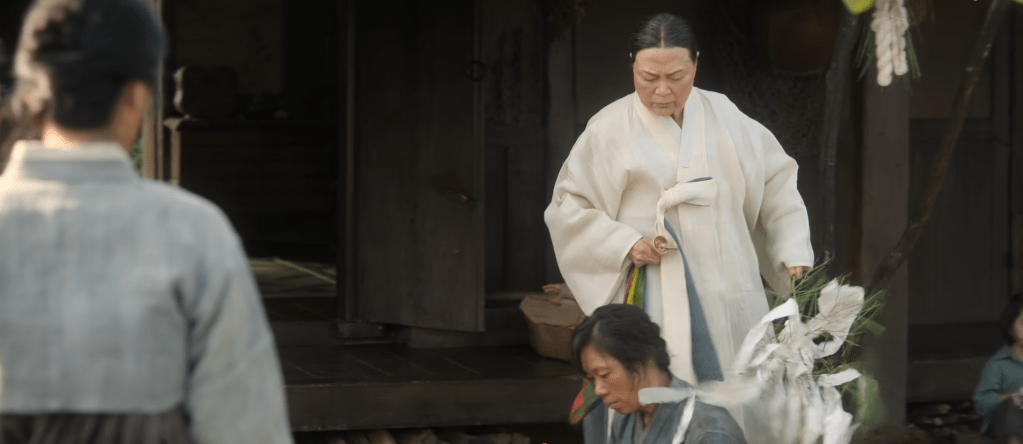
The island’s shamanic traditions add another layer of authenticity. Shamanism flourished in Jeju, creating spiritual practices distinct from mainland beliefs. These elements aren’t just dramatic devices—they’re windows into authentic cultural practices that shaped island life for generations.
Post-War Korea: A Nation Rebuilding
The drama begins in 1950, placing viewers right at a pivotal moment in Korean history. The aftermath of the Korean War created unprecedented social upheaval, with communities fractured and traditional structures challenged. The series beautifully captures this era of transformation, particularly how women’s roles evolved out of necessity.
With many households losing their male providers during the conflict, women suddenly became primary breadwinners—a dramatic shift in a traditionally patriarchal society. The 1950s saw women comprising about 60% of agricultural cooperative workers, elevating their social standing in previously unimaginable ways.
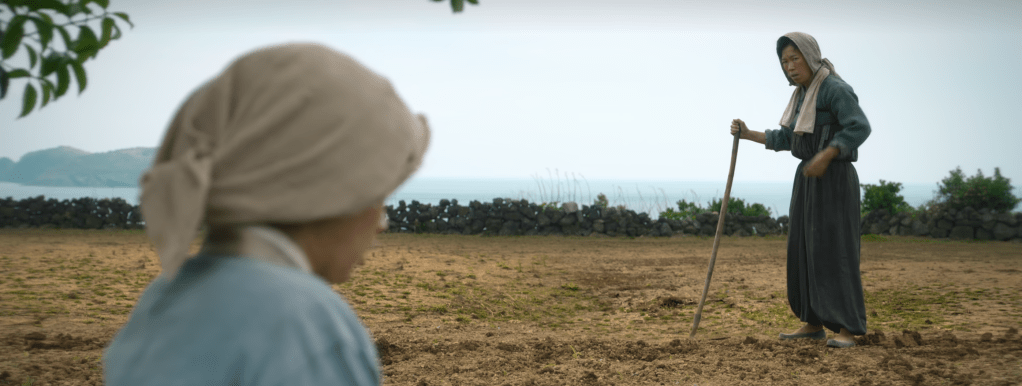
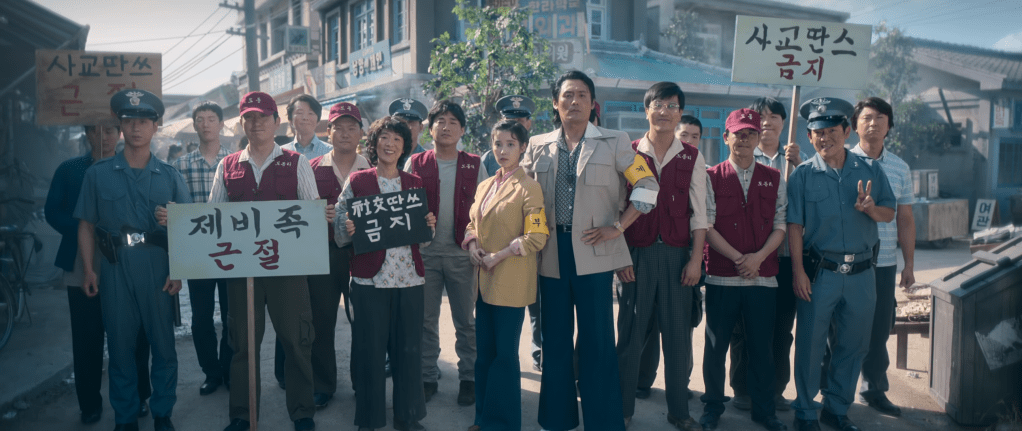
This historical context adds profound meaning to the female characters’ journeys. Their struggles aren’t just personal battles but reflections of a society in transition, where women’s liberation movements were emerging alongside persistent traditional expectations.
Charming Cultural Traditions
Ever notice the beautiful scene involving peach blossoms? This isn’t just pretty cinematography—it’s showcasing a beloved Korean tradition! Young women would use peach petals to color their nails during summer, with folklore suggesting that if the color lasted until the first snow, they would find their true love. This sweet custom has appeared in countless classic Korean romances.

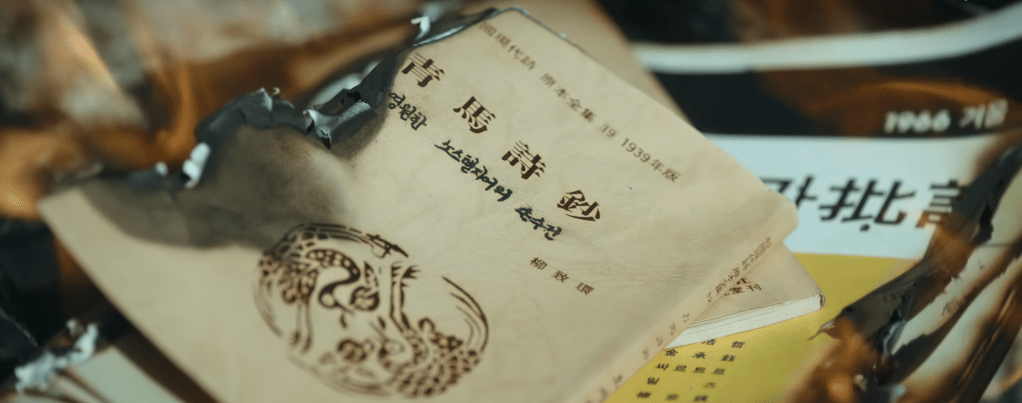
The literary references sprinkled throughout add another dimension for Korean viewers. When Ae-soon mentions “nostalgia,” she’s actually referencing celebrated poet Yoo Chi-hwan’s work “The Flag”—required reading in Korean schools. These thoughtful inclusions connect viewers to shared cultural touchpoints.
Even the cigarettes depicted aren’t random props! The “Pungnyeoncho” brand launched in 1955 featured rice ears on the packaging—symbolizing hopes for abundant harvests. It was cheaper than other cigarettes so more accessible and popular choice for people. These authentic details transport viewers to a specific moment in time, enhancing the immersive historical experience.

Women’s Lives in 1950s, 1960s Korea
The female characters’ challenges aren’t exaggerated for drama—they’re historically accurate. In 1950s Korea, gender shaped every aspect of life, from educational opportunities to marriage prospects. Single women faced harsh judgment, with mere rumours potentially ruining their chances at marriage.
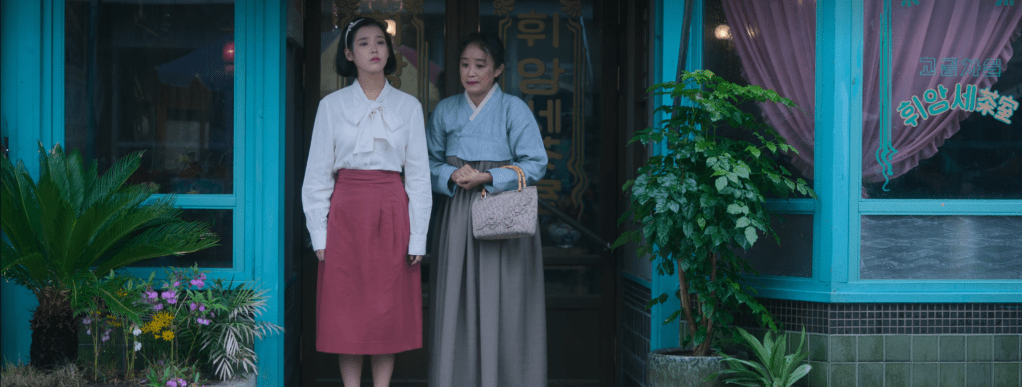
What makes the drama particularly compelling is how it captures the contradiction of the era: while traditional patriarchy remained firmly entrenched, necessity pushed women into new roles and independence. This tension between tradition and transformation creates the perfect backdrop for complex character development.
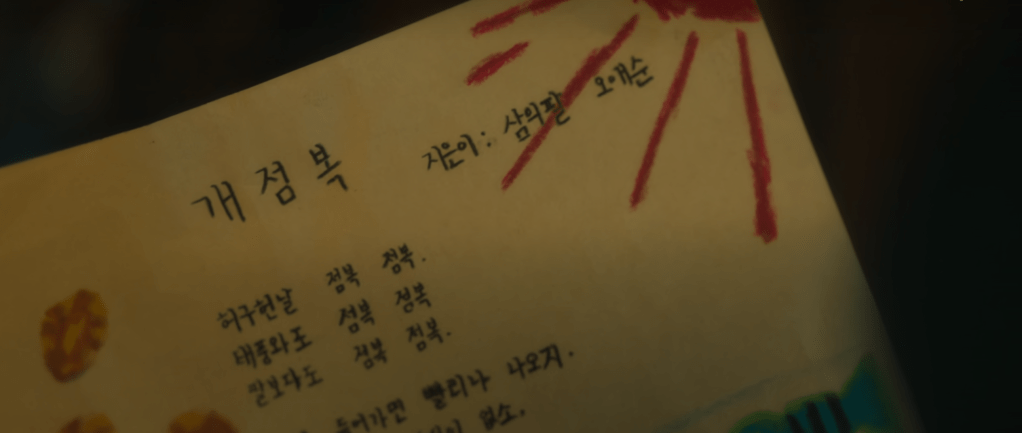
The next time you stream “When Life Gives You Tangerines,” watch for these cultural nuances. They transform an already captivating drama into a rich cultural journey through one of Korea’s most transformative periods. The carefully crafted poems, all written by the playwright for this drama, authentic customs, and historical accuracy aren’t just window dressing—they’re the heart that makes this series truly special.
So grab your favourite snack, settle in for your next binge session, and impress your friends with your newfound insider knowledge of this stunning Netflix gem!
 JJJOZ BLOG
Leave a comment