
In the realm of innovative fashion materials, traditional Korean hanji paper is experiencing a remarkable renaissance. This centuries-old craft material is finding new life in contemporary design, offering sustainable alternatives that align perfectly with the growing eco-conscious fashion movement.
The Ancient Art of Hanji
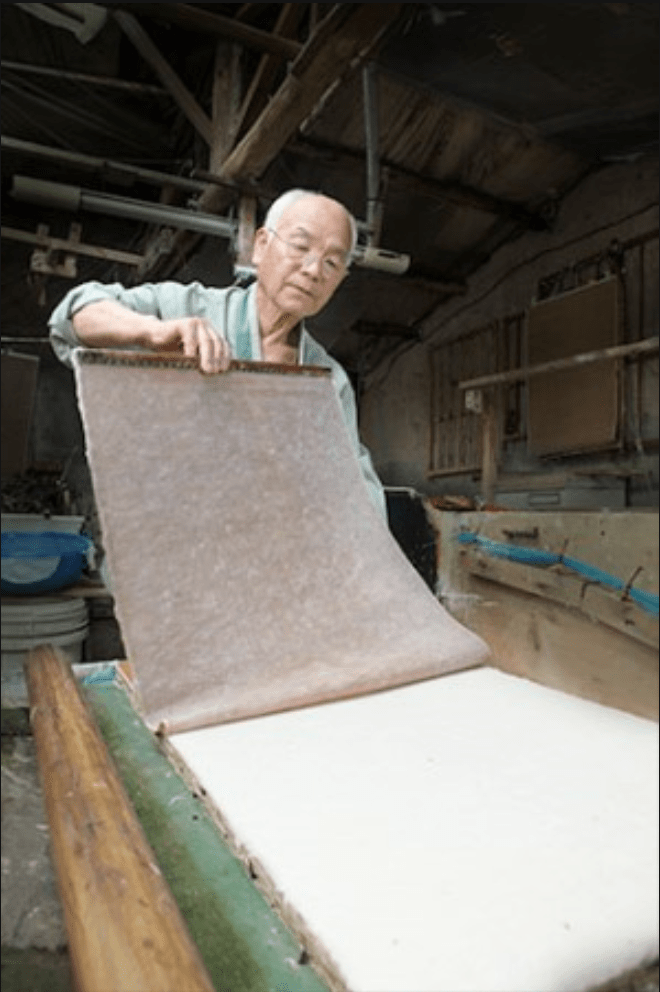
Hanji (한지) is traditional Korean paper made from the inner bark of mulberry trees. Dating back to the Three Kingdoms period, this material has been central to Korean cultural heritage for over 1,600 years. The production process involves sustainable harvesting that allows mulberry trees to regenerate, making it an inherently eco-friendly material.
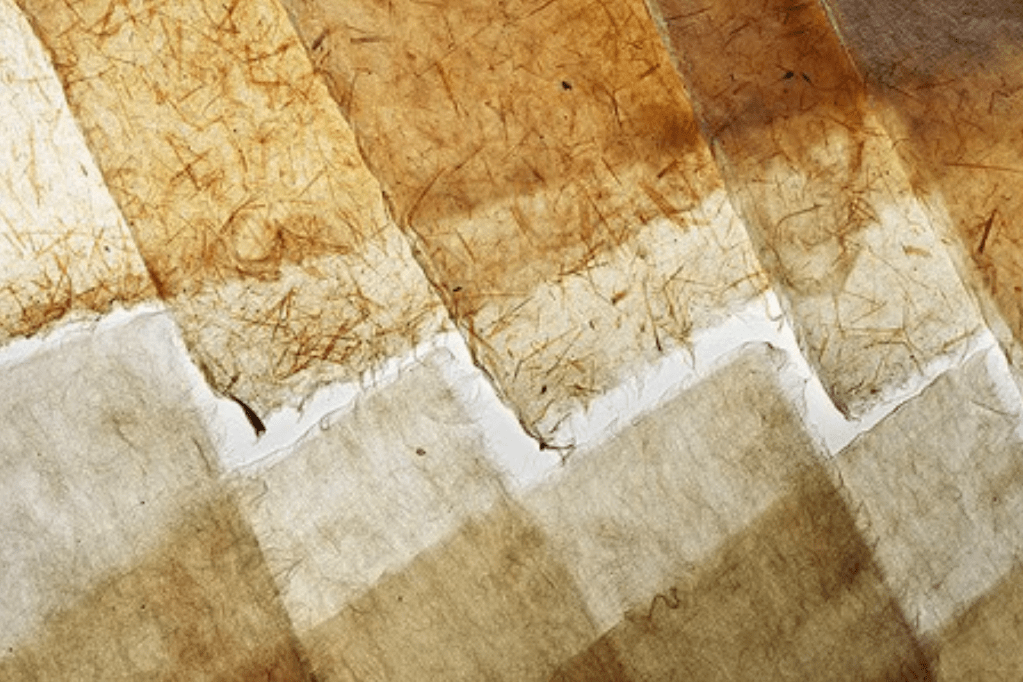
What distinguishes hanji from other papers is its exceptional durability. Historical documents written on hanji have survived for over a millennium, earning it the nickname “thousand-year paper.” This remarkable longevity makes it surprisingly suitable for fashion applications where durability matters.
Hanji’s Unique Material Properties
Fashion designers are drawn to hanji for several compelling qualities:
Breathability – The natural fiber structure allows air circulation, making hanji comfortable against skin even in humid Korean summers.
Texture versatility – Depending on production techniques, hanji can range from tissue-thin transparency to leather-like sturdiness.
Natural antibacterial properties – The mulberry bark contains natural compounds that resist bacterial growth, creating fresher-feeling garments.
Lightweight strength – Despite its paper origins, properly treated hanji demonstrates remarkable tensile strength while remaining lightweight.
Dyeability – Hanji accepts natural dyes beautifully, allowing for sustainable coloration using traditional Korean dyeing techniques.
Contemporary Fashion Applications

Innovative Korean designers are incorporating hanji into fashion in fascinating ways:
Structural Elements
Several Seoul Fashion Week presentations have featured garments with structural components made from laminated hanji. The material can be molded when damp and retains its shape when dry, allowing for architectural details previously requiring synthetic materials.
Textile Blending
By spinning hanji into thread and weaving it with cotton or hemp, designers create fabrics with enhanced breathability and unique textural elements. These blended textiles often appear in summer collections from sustainable Korean brands.
Accessories Innovation
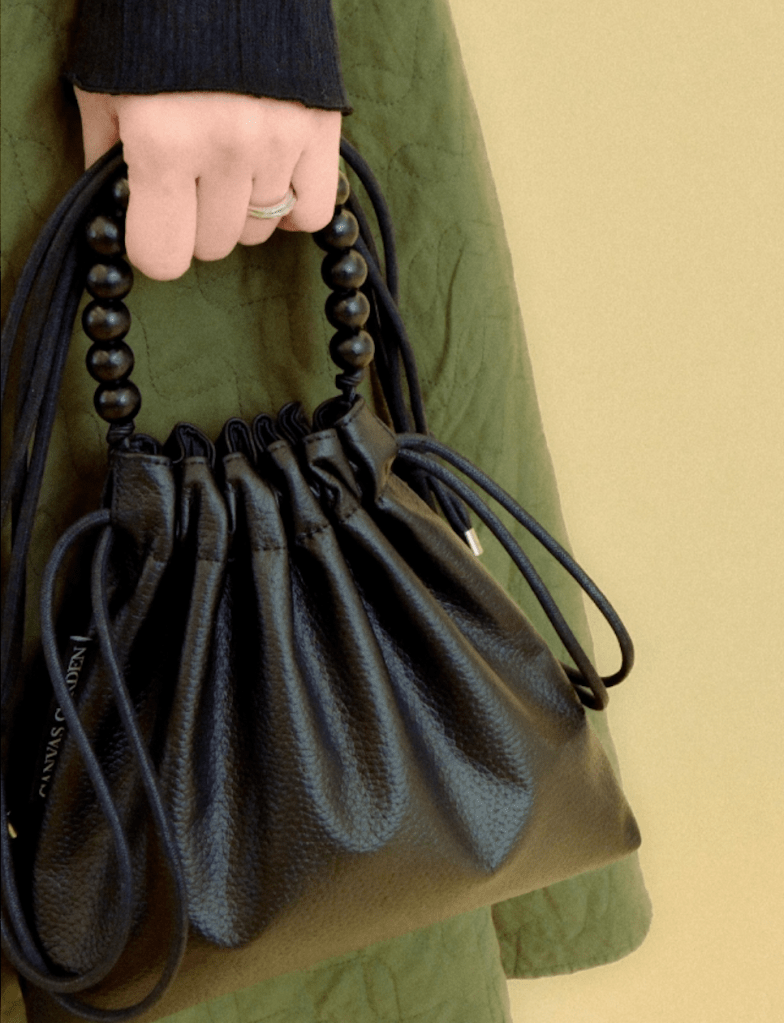
Hanji-leather alternatives are gaining traction for accessories like bags and shoes. The material can be treated to increase water resistance while maintaining its distinctive texture and eco-credentials.
Surface Design
The printable surface of hanji makes it ideal for appliqué and overlay techniques. Designers use laser-cutting to create intricate patterns that are then bonded to base fabrics, creating dimensional surface interest.
Sustainability Credentials
The fashion industry’s environmental impact has prompted exploration of alternative materials, and hanji offers compelling advantages:
- Mulberry trees require minimal water and no pesticides
- Traditional processing uses few chemicals
- Production creates minimal waste as all parts of the bark are utilized
- End-of-life biodegradability without micro plastic pollution
Learning from Traditional Craft
What makes the hanji revival particularly meaningful is how it connects contemporary design with traditional knowledge. Master hanji artisans collaborate with fashion designers, creating knowledge exchange that preserves cultural heritage while developing new applications.
Workshops in Seoul and Jeonju (Korea’s traditional paper capital) now offer specialized courses on hanji for fashion applications, attracting international designers interested in sustainable innovation.
The Future of Hanji in Fashion
As material innovation becomes increasingly important in sustainable fashion development, hanji represents a fascinating case study of looking to the past for future solutions. Korean cultural heritage offers not only just aesthetic inspiration but also practical material solutions for contemporary challenges.
Whether incorporated as a textile component or featured as a star material in avant-garde designs, hanji demonstrates how traditional crafts can evolve to meet modern needs while maintaining their cultural significance and sustainability benefits.
For designers and consumers alike, hanji offers a tangible connection to Korean heritage while providing practical advantages that align with contemporary values—truly embodying the best of tradition and innovation.
 JJJOZ BLOG
Leave a comment