
The K-beauty world continues to innovate with formulations that blend traditional wisdom with cutting-edge science. Among these innovations, fermented skincare ingredients stand out as a perfect example of how ancient Korean practices are revolutionizing modern beauty routines worldwide.
The Science Behind Fermentation in Skincare
Fermentation isn’t just for kimchi and makgeolli—this traditional Korean preservation process transforms ordinary ingredients into skincare powerhouses. During fermentation, beneficial microorganisms break down complex molecules into smaller, more bioavailable compounds that skin can readily absorb and utilize.
This process creates several advantages for skincare:
- Enhanced absorption – Fermentation reduces molecular size, allowing ingredients to penetrate deeper into skin layers rather than sitting on the surface.
- Natural preservatives – The process produces natural antimicrobial compounds that extend product shelf life without synthetic preservatives.
- Increased antioxidant activity – Studies show fermentation can amplify the antioxidant properties of certain plant extracts, providing better protection against environmental stressors.
- Probiotic benefits – Fermented ingredients support the skin’s natural microbiome, strengthening thecrucial barrier function.
Traditional Korean Foundations
The concept of fermented skincare traces back to ancient Korean beauty practices. Historical texts describe court ladies using fermented rice water and fruit extracts to maintain luminous complexions. This traditional knowledge has been preserved through generations and now informs modern formulations.
In traditional Korean medicine (hanbang), fermentation was valued for enhancing the therapeutic properties of herbal ingredients—a principle that carries through to contemporary skincare philosophy.
Key Fermented Ingredients
Today’s innovative K-beauty products feature various fermented components:
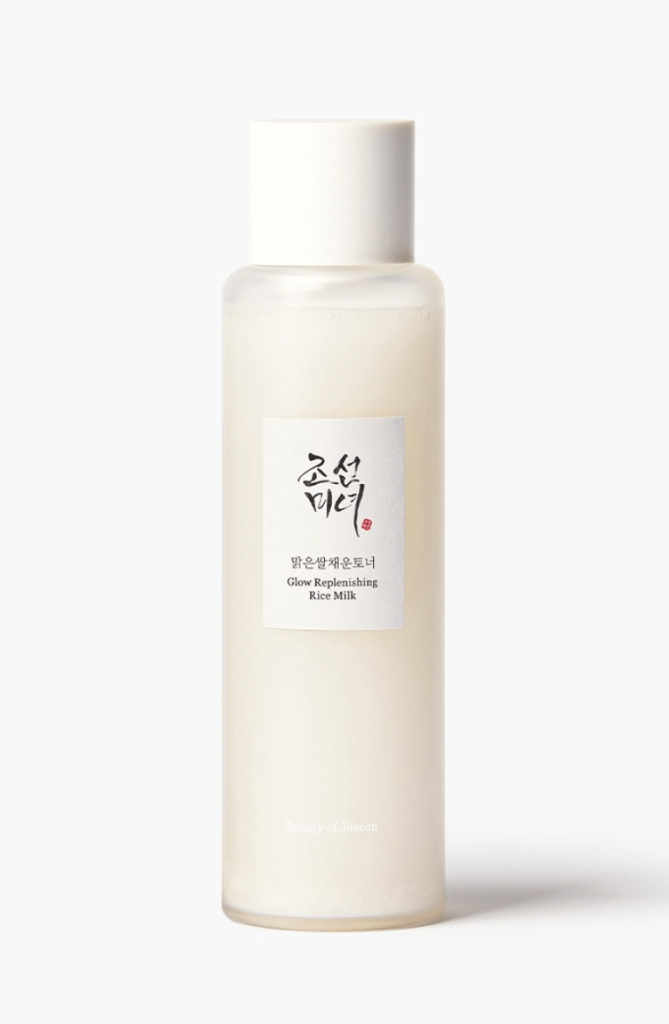
- Rice Ferment Filtrate
Often called “rice water,” this ingredient has been used since the Joseon Dynasty. Modern research confirms its brightening and texture-improving properties are enhanced through fermentation.
- Galactomyces Ferment Filtrate
This yeast ferment gained popularity after skincare companies discovered sake brewers’ hands appeared youthfully smooth despite their age—a result of regular contact with fermentation by products during sake production.
- Fermented Herb Extracts
Traditional Korean herbs like ginseng and mugwort undergo fermentation to enhance their skincare benefits, creating potent extracts that address multiple skin concerns simultaneously.
- Fermented Tea Extracts
Green tea, black tea, and other varieties gain amplified antioxidant properties through carefully controlled fermentation processes.
Incorporating Fermented Products Into Your Routine
For those new to fermented skincare, consider these entry points:
- Essence stage – Fermented essences offer an excellent introduction, typically featuring lightweight textures that layer well within existing routines.
- Sheet masks – These provide an intensive treatment experience while allowing you to test fermented ingredients without committing to a full-size product.
- Ampoules – Concentrated fermented formulations deliver targeted results for specific skin concerns.
Start with products featuring fermented ingredients high in the ingredient list for maximum benefit, and introduce one product at a time to identify which fermented components work best for your skin.
Sustainability Aspects
Beyond skincare benefits, fermentation represents sustainable innovation:
- The process requires minimal energy input compared to many chemical extraction methods
- Fermentation can utilize agricultural byproducts, reducing waste
- The preservation aspects reduce the need for synthetic additives
- Many fermented ingredients are produced through traditional methods supporting artisanal practices
The Global Impact of Korean Fermentation Technology
Korean beauty companies have become world leaders in commercializing fermentation technology for skincare. Major research institutes in Seoul continue developing new fermentation techniques specifically for cosmetic applications, creating proprietary ferments that distinguish their formulations.
This scientific investment has positioned Korean brands at the forefront of microbiome-friendly skincare—an approach increasingly recognized as fundamental to long-term skin health rather than just superficial improvement.
As consumers worldwide become more ingredient-conscious and sustainability-focused, Korean fermented skincare offers a compelling combination of efficacy, tradition, and environmental mindfulness. Whether you’re seeking anti-aging benefits, improved texture, or enhanced radiance, these innovative yet time-tested ingredients offer solutions rooted in centuries of Korean beauty wisdom.
 JJJOZ BLOG
Leave a comment