
The Korean Jindo dog holds a special place in Korean culture as a Natural Monument and beloved national treasure. These intelligent, loyal companions require specific care to thrive, particularly for owners outside their native environment. Whether you’re considering adding a Jindo to your family or already share your home with one of these remarkable dogs, understanding their unique needs is essential.
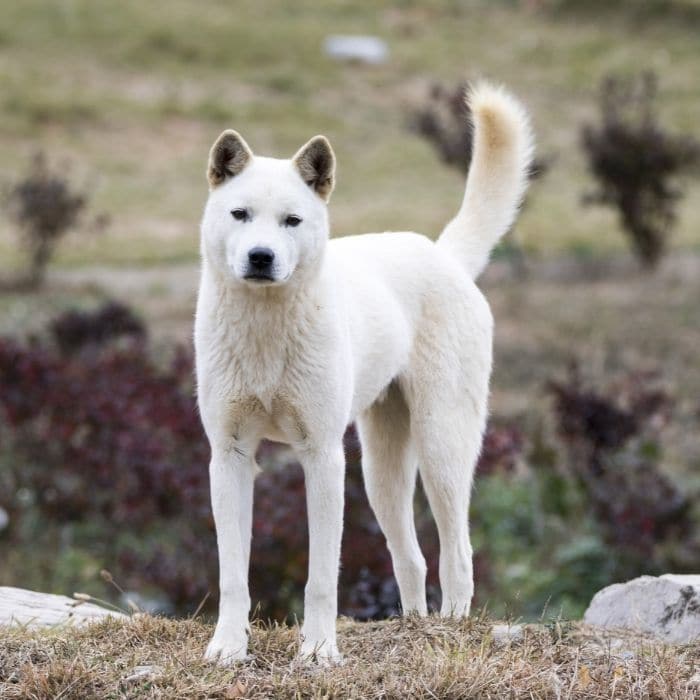
Understanding the Jindo’s Heritage
Originating from Jindo Island off Korea’s southwestern coast, these medium-sized spitz-type dogs were traditionally valued as hunting companions. Their history as working dogs has shaped their character—Jindos are renowned for exceptional intelligence, unwavering loyalty, and independent thinking.
The Korean government has officially designated the Jindo as Natural Monument #53, highlighting their cultural significance. This protected status has helped maintain the breed’s distinctive traits while efforts continue to promote proper breeding practices.

Physical Care Essentials
Coat Maintenance
The Jindo’s double coat serves an important purpose, providing protection from both cold winters andwarm summers. Regular grooming is essential:
- Brush 2-3 times weekly with an undercoat rake during normal periods
- During seasonal shedding (twice yearly), daily brushing helps manage the significant “blow coat”phase
- Bathe only when necessary—their coats naturally repel dirt and maintain a minimal “dog odor”
Many Jindo owners in Korea use special bamboo brushes designed specifically for their coat type, which effectively remove loose fur without damaging the protective outer layer.
Exercise Requirements
Despite their medium size, Jindos need substantial physical and mental exercise:
- Daily walks totaling at least 60 minutes
- Regular opportunities for off-leash running in secure areas
- Mental challenges like scent games that engage their hunting instincts
In Korea, rural Jindos often have more freedom to roam, but urban dogs require structured exercise.Without adequate stimulation, their intelligence can lead to creative problem-solving behaviors that humans might consider problematic.
Nutritional Considerations
Jindos typically maintain healthy appetites but can be selective eaters. Their traditional diet in Korea often included:
- Fresh proteins including fish (reflecting their island heritage)
- Vegetables like sweet potato and pumpkin
- Moderate grain content
Modern nutrition recommendations include:
- High-quality protein sources
- Balanced fat content for coat health
- Appropriate portion control to maintain their athletic build
Many Korean Jindo owners incorporate occasional fresh foods alongside quality commercial diets,reflecting traditional feeding practices while ensuring nutritional balance.
Behavioral Understanding
Perhaps the most important aspect of Jindo care is understanding their distinctive behavioral traits:
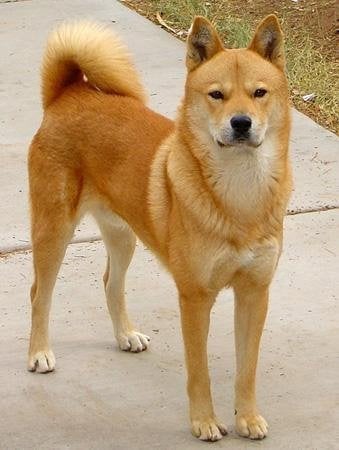
Loyalty and Attachment
The Jindo’s legendary loyalty isn’t just folklore—these dogs typically bond deeply with their families. This attachment can manifest as:
- Strong protective instincts
- Initial reservation with strangers
- Potential separation anxiety if not properly managed
Early socialization and positive exposure to different people helps balance their naturally reserved tendency.
Training Approach
Their intelligence requires specific training approaches:
- Respect-based methods work far better than dominance techniques
- Consistency is essential—Jindos quickly notice inconsistencies
- Positive reinforcement helps motivate without breaking their independent spirit
Korean training traditions emphasize patience and mutual respect, recognizing that Jindos respond poorly to harsh corrections but thrive when they understand the partnership with their human.
Health Considerations
Jindos are generally healthy with good longevity (12-15 years), but awareness of certainpredispositions helps with preventative care:
- Hip dysplasia (though less common than in many breeds)
- Hypothyroidism in some lines
- Skin allergies in certain environments
Regular veterinary care and maintaining the ideal athletic weight significantly improve long-term health outcomes.

Cultural Sensitivity
Understanding the Jindo’s cultural significance enhances the human-animal bond. In Korea, these dogs represent admirable qualities of loyalty, intelligence, and resourcefulness. Approaching Jindo ownership with respect for this heritage honors the breed’s unique place in Korean culture.
Whether you’re drawn to the Jindo’s striking appearance, remarkable intelligence, or cultural significance, providing appropriate care honors both the individual dog and their distinguished heritage. With proper understanding and care, these extraordinary companions bring their ancient wisdom and loyalty into contemporary homes around the world.
 JJJOZ BLOG
Leave a comment