
If you’ve been scrolling through Instagram lately, you’ve probably noticed how sustainability has become the ultimate fashion statement. As international Fashion Week designers showcase more eco-conscious collections and celebrities embrace green fashion choices, sustainable materials are having their well-deserved moment in the spotlight. Let’s dive into the innovative fabrics reshaping Korean fashion and helping you build that dream eco-friendly wardrobe!
Why Fashion Is Embracing Sustainability
Fashion world has always been ahead of the curve, and the sustainability movement is no exception. From the runways of Seoul Fashion Week to the globally influential design houses expanding across Asia, top fashion designers are making waves in the international fashion scene by seamlessly blending eco-conscious materials with cutting-edge aesthetics that captivate fashion editors and sustainability advocates alike.
This shift reflects changing values among young Korean consumers, who increasingly view their fashion choices as expressions of their environmental values. The best part? These sustainable materials often create more unique textures and visual interest than their conventional counterparts!
The Ultimate Guide to Sustainable Fashion Materials
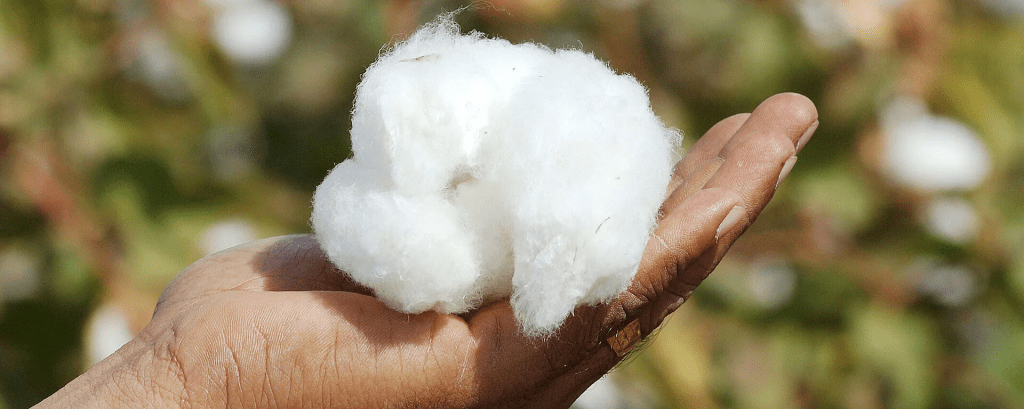
1. Organic Cotton: The Everyday Essential
Organic cotton has become a staple in Korean casual brands, appearing in everything from oversized tees to those adorable matching sets you’ve seen all over street style. Unlike conventional cotton, it’s grown without harmful pesticides or synthetic fertilizers, making it gentler on both your skin and the planet.
Look for organic cotton in basics that touch your skin directly—the difference in comfort is genuinely noticeable, especially during humid Korean summers when breathability matters most.
2. Hemp Fabric: The Ancient Powerhouse
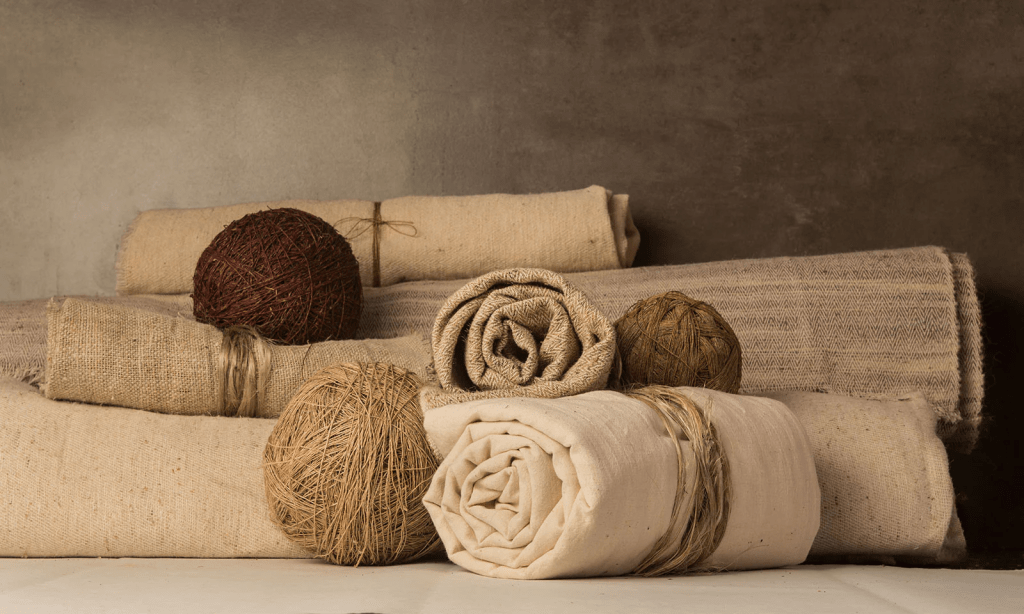
Hemp has deep roots in traditional Korean textiles (remember those beautiful natural-toned hanbok variations), and it’s making a major comeback in contemporary fashion. This super-durable fabric requires minimal water and zero pesticides to grow while offering exceptional breathability and natural antibacterial properties.
Korean designers are using hemp in structured pieces like wide-leg pants and oversized blazers, appreciating how the material holds its shape while developing beautiful character with each wear.
3. Cactus Leather: The Innovative Alternative
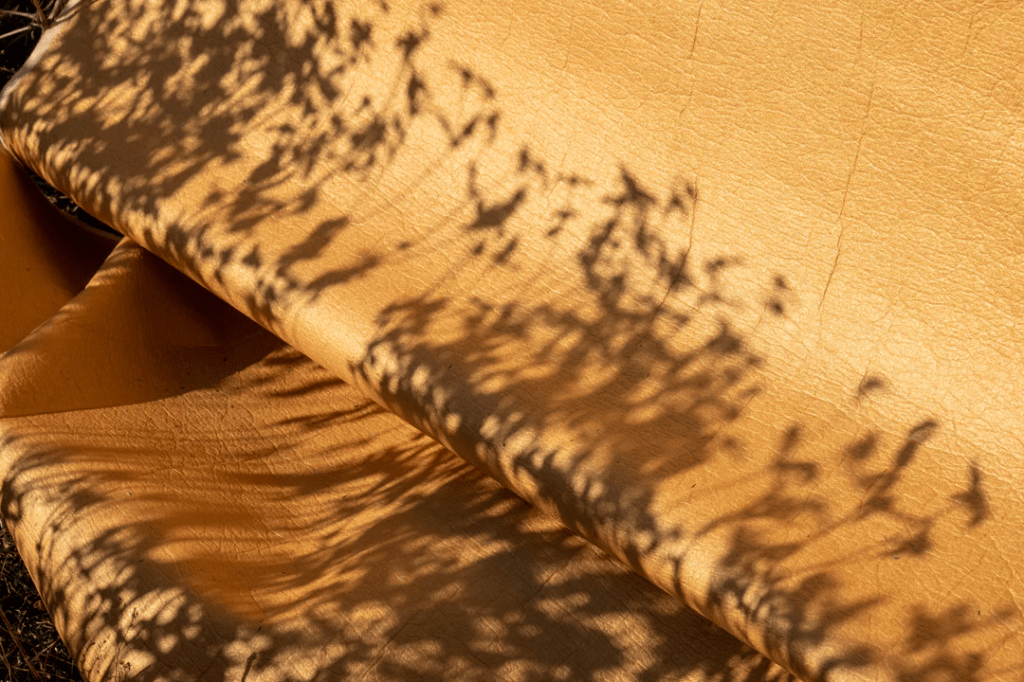
Cactus leather is the material everyone’s talking about this season! This revolutionary vegan alternative transforms sustainably harvested cactus plants into a leather-like material that’s perfect for bags, shoes, and accessories. Several Korean indie brands have embraced this material for their statement pieces, creating designs that are both cruelty-free and incredibly stylish.
The subtle natural texture of cactus leather adds visual interest that elevates even simple designs—exactly why it’s become a favorite among Korean fashion influencers.

4. Tencel™ (Lyocell): The Silky Sensation
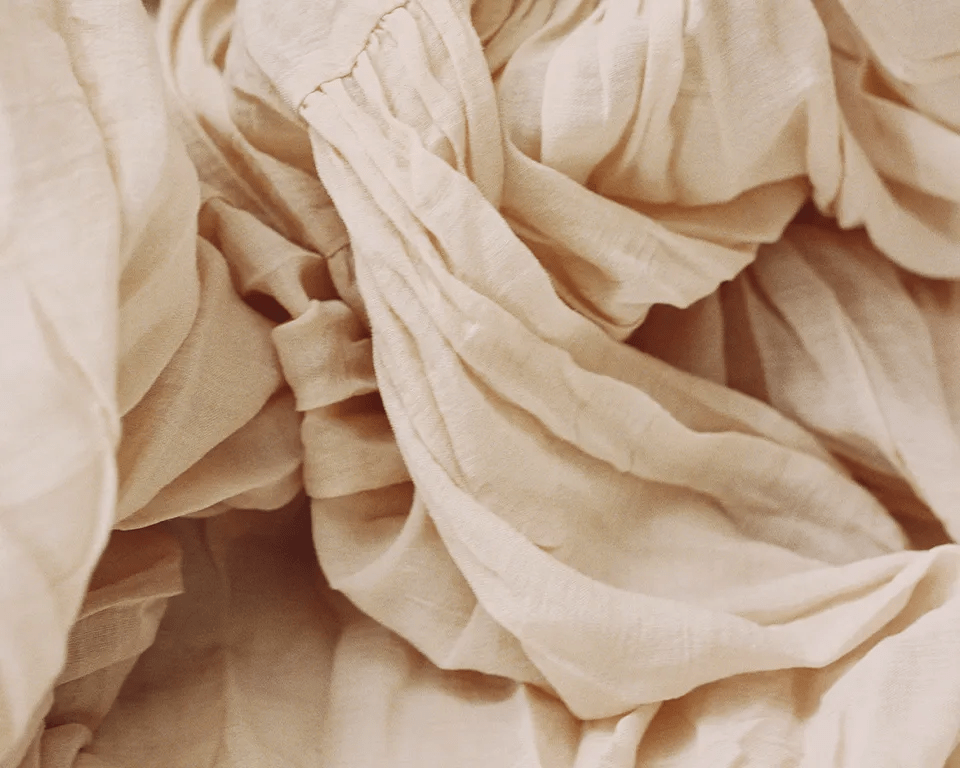
If you’ve fallen in love with those flowing, elegant pieces that seem to move beautifully in K-drama wardrobe scenes, chances are you’re admiring Tencel™. Derived from sustainably sourced eucalyptus trees and produced using a closed-loop system, this biodegradable fabric has the most luxurious drape and silky feel.
Korean designers love using Tencel™ for flowy dresses, sophisticated blouses, and those perfectly draped wide-leg pants that define current Korean fashion aesthetics.
5. Piñatex (Pineapple Leather): The Waste-Reducing Wonder
Piñatex has captured attention in fashion scene for its innovative approach—transforming pineapple leaf fibers (agricultural waste!) into a stylish leather alternative. This lightweight yet durable material is perfect for statement accessories that start conversations.
The subtle texture of Piñatex gives pieces character while reducing agricultural waste—a win-win that aligns perfectly with emphasis on thoughtful consumption.
6. Bananatex (Banana Fiber Fabric): The Textural Treasure
Banana fibre fabric (Bananatex) is making waves in sustainable fashion for its distinctive natural texture and impressive durability. Created from banana plant fibres that would otherwise be discarded, this biodegradable material supports sustainable agriculture while creating truly unique garments.
The natural texture of Bananatex works beautifully in the layered, textural outfits that define current street style trends.

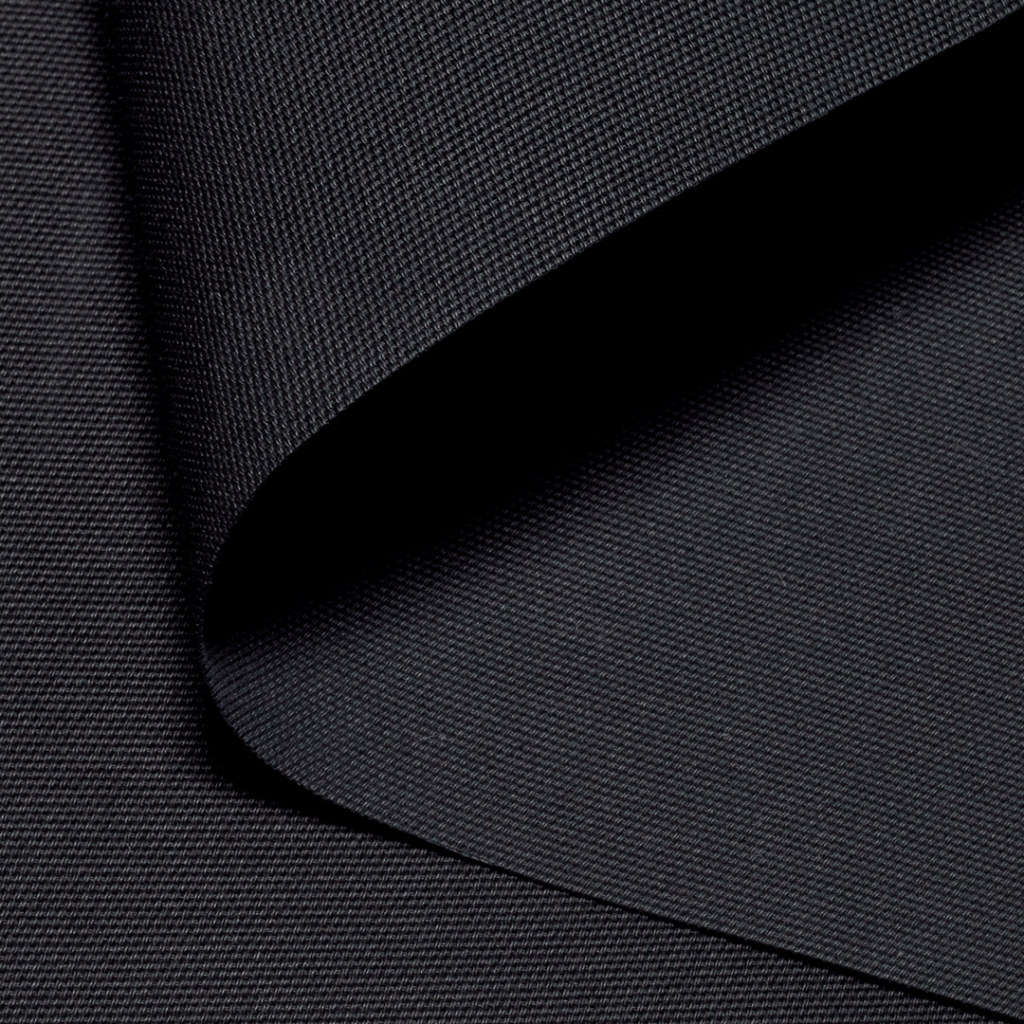
7. Organic Silk: The Luxurious Classic
Luxury fashion has always appreciated quality, and organic silk represents sustainable luxury at its finest. Produced without harmful chemicals or pesticides, organic silk maintains all the lustrous beauty of traditional silk while aligning with eco-conscious values.
Look for this material in special occasion pieces from Slow fashion brands, where its natural sheen and beautiful drape can be fully appreciated.
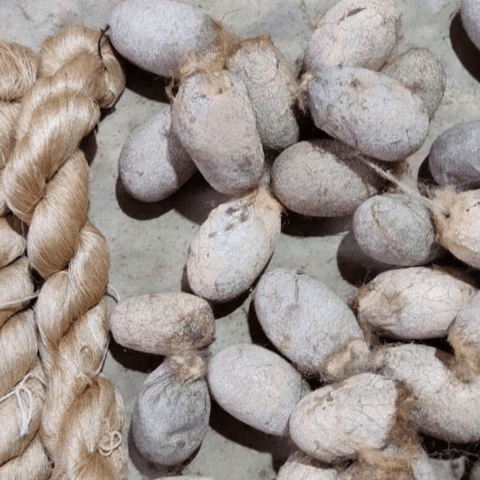
8. Recycled Nylon: The Performance Pioneer
Korean activewear and swimwear brands are increasingly turning to recycled nylon, created from reclaimed plastic waste like fishing nets. This innovative material maintains all the performance properties of traditional nylon while giving plastic waste a second life.
The sleek, modern aesthetic of recycled nylon aligns perfectly with the minimalist athleisure trend that’s dominating Korean casual fashion right now.
How to Incorporate Sustainable Materials Into Your Wardrobe
Start by identifying the pieces you wear most often and look for sustainable alternatives when they need replacing. Korean fashion’s emphasis on mixing basics with statement pieces makes it easy to gradually transition to a more sustainable wardrobe without sacrificing style.
Many fashion apps now have sustainability filters that help you discover brands using these innovative materials. Next time you’re shopping, keep an eye out for these game-changing fabrics—your wardrobe and the planet will thank you!
Have you tried any of these sustainable materials yet? Which one are you most excited to add to your wardrobe? Share your thoughts in the comments below!
 JJJOZ BLOG
Leave a comment